Can I Pause My Car Insurance While Out of the Country
You can't truly pause a policy, but you can cut it down to a cheap minimum that protects the car while you're gone.
Free to compare
Insurers don't offer a true pause, but they offer something close
A car insurance policy is a contract that exists to cover a vehicle, not a person's daily habits. Insurers price it around the risk that the car sits somewhere, gets driven occasionally, or gets stolen or damaged while parked. Because that risk never fully disappears, companies won't let you suspend coverage to zero. What they will let you do is strip the policy down to the minimum that satisfies your state and your lender, usually comprehensive-only coverage, which protects against theft, fire, weather, and vandalism while dropping the liability and collision pieces tied to active driving.
This matters because the car still exists in the real world even if you're not behind the wheel. If it's parked in a driveway or a garage while you're overseas, it can still be hit by a falling tree, stolen, or damaged in a storm. Comprehensive-only coverage is built for exactly that scenario, and it typically costs a fraction of a full policy because the insurer isn't pricing in collision risk or liability exposure.
What varies is how your state treats registration and insurance together. Some states require continuous proof of insurance tied to registration, and letting coverage lapse entirely can trigger fines or a suspended registration even if the car never left the garage. Other states are more flexible if the car is formally taken off the road. Check with your state's motor vehicle agency before you touch anything, since the penalty for guessing wrong can cost more than the insurance would have.
Your lender or lienholder, if you still owe money on the car, almost always requires continuous comprehensive and collision coverage as a condition of the loan. If that applies to you, dropping down further than comprehensive-only probably isn't an option no matter what the insurer allows. Ask them directly what the floor is before you call your insurer to make a change.
Will my rate go up when I restart full coverage after the trip?
It shouldn't, as long as you kept continuous coverage of some kind the whole time. Insurers mainly penalize gaps, meaning stretches with no policy at all, not reductions in coverage level. If you move to comprehensive-only while you're away and then add liability and collision back when you return, most insurers treat that as a normal coverage change, not a lapse.
The case where it can hurt you is if you cancel the policy entirely instead of reducing it. A full cancellation shows up as a gap, and gaps are what insurers and rating systems flag as risk, sometimes raising your rate or limiting which companies will offer you a good one. Ask your insurer directly whether reducing coverage counts differently than canceling, since the answer is the same everywhere in principle but the fine print on how it's logged can differ by company.

Reduce the policy instead of canceling it
If you do
You keep a continuous record with no gap, the car stays protected against theft and weather while you're gone, and restarting full coverage when you're back is a quick phone call. Your rate history stays clean, and lenders or lienholders stay satisfied if you still owe money on the car.
If you don't
If you cancel outright, you save a little more upfront but create a gap that insurers see when you reapply. That gap can mean a higher rate, fewer companies willing to offer you a policy, and an uninsured car sitting exposed to theft or damage the whole time you're away.
Now that you know how to handle coverage while traveling, compare quotes to see what a reduced policy would cost.
A retiree planning three months abroad
Someone recently retired and planning a three-month trip overseas called their insurer to ask about dropping coverage entirely while they were gone. The car would sit in their garage the whole time, untouched. The insurer explained that full cancellation wasn't recommended because it would create a gap in their coverage history, which could raise their rate when they came back and renewed. Instead, they were offered a comprehensive-only policy for the trip, covering theft, fire, and weather damage but dropping liability and collision since the car wouldn't be driven.
Before making the change, they checked with their state's motor vehicle office to confirm that comprehensive-only coverage still satisfied the registration requirement, since the car would stay registered and parked rather than stored off the road. It did, as long as the reduced policy stayed active without interruption. They made the switch two days before leaving, set a reminder for the week before their return, and called to add full coverage back on the day they landed. Their rate at renewal came back the same as it would have without the trip, with no gap penalty and no missed step with the registration office.
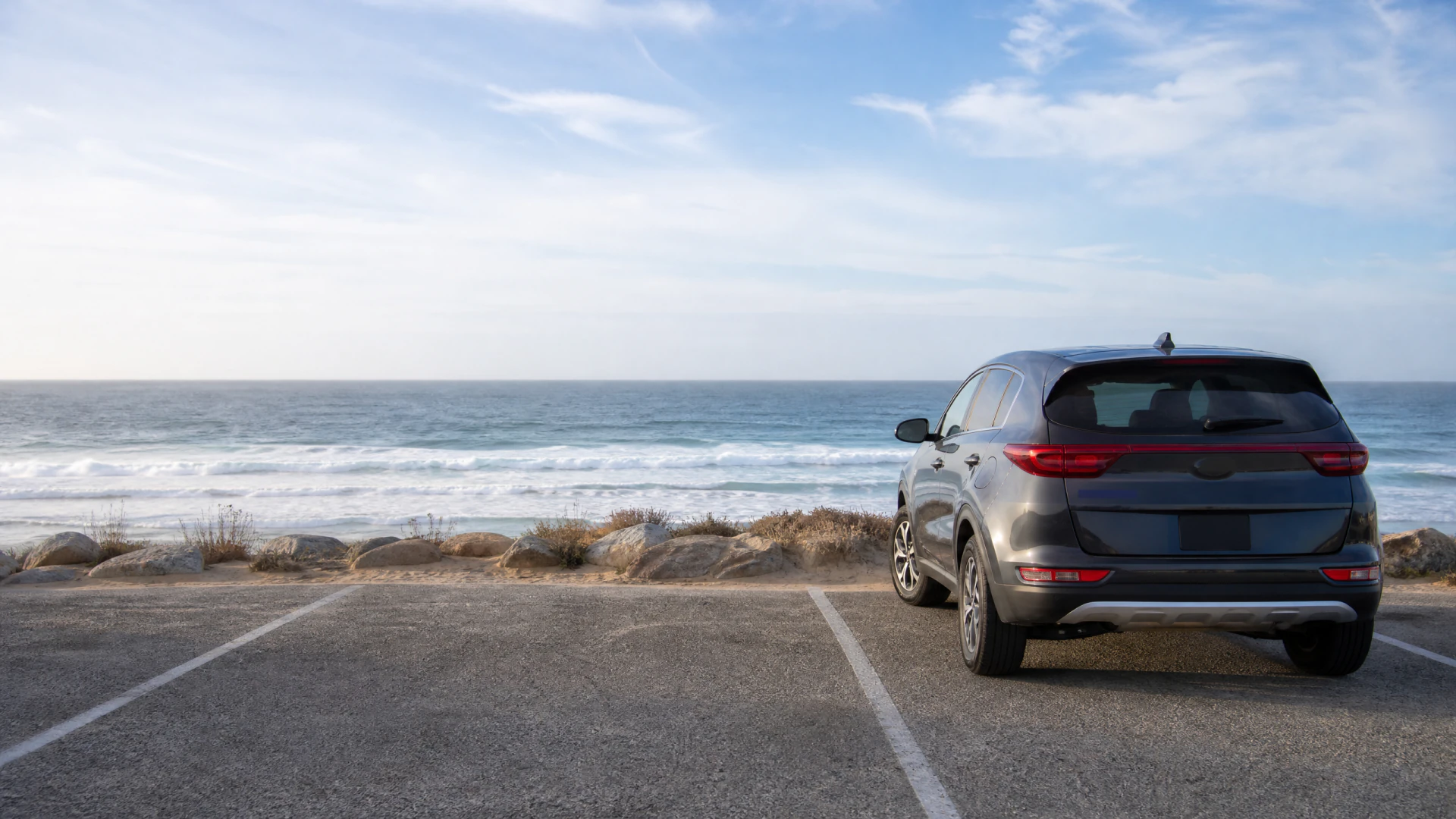
Should I just store my car and cancel insurance instead of reducing coverage?
Only if your state allows formally declaring the car not in use, which removes the insurance requirement tied to registration. If your state allows this, it can save more than comprehensive-only coverage would. But it usually means surrendering your plates or filing a specific non-use declaration, and reinstating everything when you're back takes more steps than just calling your insurer. Check with your motor vehicle agency on the exact process and whether it's worth the extra paperwork for your length of trip.
Does leaving the country affect my insurance if someone else drives my car while I'm gone?
It depends on whether that driver is listed on your policy and whether your policy is still active at normal coverage levels. If you've reduced to comprehensive-only, most policies won't cover anyone driving the car, since that coverage assumes the car is parked. If someone needs to drive it occasionally, you likely need to keep liability coverage in place and make sure they're added as a listed or occasional driver, so check with your insurer before you leave.
What happens to my insurance if I'm away longer than planned?
Your comprehensive-only coverage simply continues until you call to change it, as long as you keep paying the premium on time. There's no automatic cutoff tied to a trip length. The risk is forgetting to reactivate full coverage when you return and driving the car before you've added liability and collision back, which would leave you uninsured for driving. Set a reminder before you leave, and call your insurer as soon as your return date firms up.