
Can Someone Else Drive My Car if I Am with Them
Yes, if you let them drive and they're reasonably careful, your policy almost always covers the ride with you in the passenger seat.
Free to compare
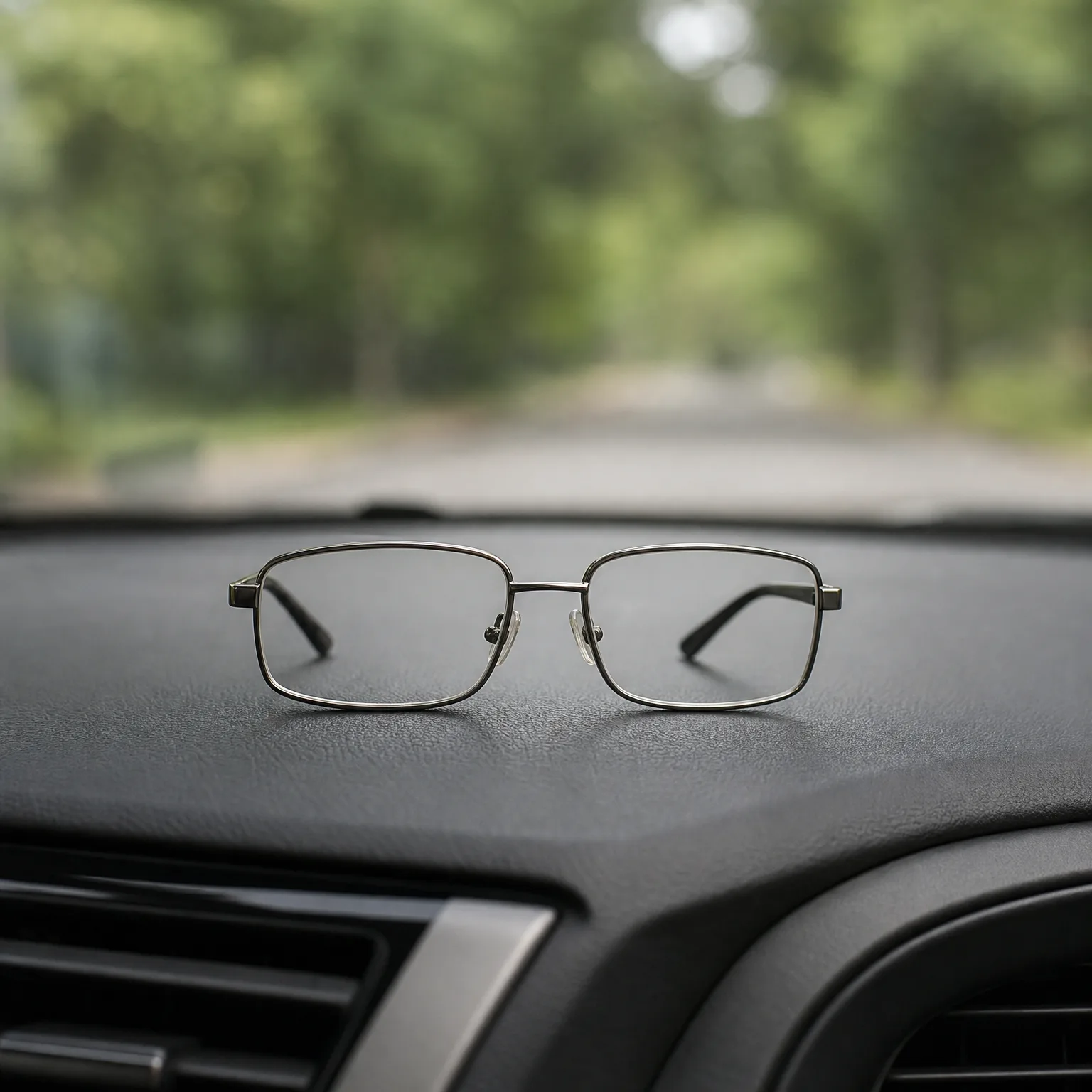
Your spouse drives while you nap in the passenger seat
You and your spouse decided to go from two cars to one after retiring, and now you take turns driving on long trips to see family. On this trip, you were tired after lunch, so your spouse took the wheel while you rode along. Neither of you called the insurer first, because you didn't think you needed to.
A few hours later, your spouse changed lanes and clipped another car, causing modest damage to both vehicles. You reported the claim under your policy, since it was your car, and listed your spouse as the driver at the time. Because your spouse was already listed on the policy as a household driver, the claim moved forward the same way it would have if you'd been driving. The repair got scheduled, the other driver's claim got handled, and your rate reflected the same rules that would have applied to you. The only hiccup was a brief call to confirm your spouse's license was valid and current, which took a few minutes.
Does it matter whose name is on the policy if someone else drives?
It matters less than most people expect. Car insurance follows the car, not the person, in most situations. So if your policy is the one on the vehicle, it's generally your coverage that responds first when that car is in an accident, no matter who was behind the wheel, as long as that person had permission to drive it.
What changes the answer is how often that person drives your car and whether they live in your household. If someone you live with drives regularly, insurers usually want them listed on the policy, and leaving them off can cause problems with a claim. If it's a one-time thing, like a friend driving you home from a procedure, permission is usually enough. Check your policy's language on permissive use and household drivers to know which situation you're in.

Letting a friend or family member drive you somewhere
If you do
If you do, your policy almost certainly covers the trip as long as the driver has your permission and a valid license. You stay the policyholder, the car stays insured the same way, and if something happens, your coverage responds first since it follows the vehicle.
If you don't
If you don't, and you drive everywhere yourself, you may be fine, but you lose flexibility. Trips to appointments, long drives with a spouse, or letting adult kids drive your car on visits all depend on this same permission rule, so it helps to understand it before you need it.
Now that you know coverage follows the car, compare quotes to make sure it fits how you and others actually use it.
Coverage follows the car, and permission is what unlocks it
Car insurance is built around the vehicle, not a single driver. When you buy a policy, you're insuring that car against damage and liability, and that protection extends to anyone you allow to drive it. This is why a friend borrowing your car for an afternoon, or a spouse taking the wheel on a trip, is usually covered without any extra step.
The idea behind this is practical. Insurers know cars get driven by more than one person, especially in a household, and they build permissive use into the policy so coverage doesn't disappear the moment someone other than you drives. What they're watching for is regular, repeated use by someone who isn't on the policy at all, since that starts to look less like a one-time favor and more like an undisclosed driver.
This is where it can vary. Some insurers draw a firm line around how often a non-listed driver can use the car before they expect that person added to the policy. Others care more about whether that person lives in your household than how often they drive. Check your policy documents or ask directly how your insurer defines permissive use, since the answer affects whether a claim goes smoothly or gets questioned.
The case where this changes is when the driver doesn't have your permission at all, or when they've been excluded from your policy by name. If you've specifically excluded a household member, perhaps an adult child with a difficult driving record, their driving your car isn't covered even if you're sitting right there. That's a deliberate carve-out, not the usual rule, so it only applies if you've signed something saying that person isn't covered.
Coverage is tied to the car, not to you personally, so who's driving matters less than who has permission.
Do I need to add my spouse to my policy if we share one car now?
Yes, if you live together and they drive regularly, most insurers expect them listed as a household driver. This isn't just paperwork, it affects whether a claim goes smoothly if they're ever behind the wheel during an accident. A one-time drive is usually fine under permissive use, but regular use by someone in your household is different. Check your policy's definition of who must be listed, since insurers vary on how they phrase this, and call your agent if you're not sure your spouse qualifies as already covered.
What happens if someone not on my policy crashes my car with me inside?
Your policy still responds first, since coverage follows the car, assuming that person had your permission to drive. The claim gets handled through your insurer, your rate may be affected depending on the circumstances, and the other driver's claim moves forward normally. What changes this is if the person didn't have permission, drove despite being excluded by name, or doesn't have a valid license, since any of those can complicate or deny the claim. Check your declarations page for any excluded drivers before assuming anyone is automatically covered.
Can I let my adult kids drive my car when they visit without adding them?
Yes, for occasional visits, permissive use typically covers this without adding them to your policy. The key difference is frequency. If they visit a few times a year and borrow the car briefly, that's usually fine. If they stay for extended periods or drive regularly during long visits, some insurers start to expect them listed, especially if they're using the car as their primary transportation during that time. Ask your insurer where they draw that line, since it varies, and it's worth knowing before a long visit turns into a gray area.