Does Full Coverage Car Insurance Cover Towing
Full coverage pays for accident damage, but towing only comes with it if you've also added roadside assistance.
Free to compare
Full coverage is about damage, not getting your car home
The term full coverage isn't an actual policy type. It just means you've got liability plus collision and comprehensive, the coverages that pay to repair or replace your car after an accident or other covered event. None of those three automatically pay to tow your car off the roadside after a breakdown that isn't tied to a covered claim.
Towing after an accident is usually different from towing after your car just won't start. If your car is damaged in a crash that's covered under collision or comprehensive, the tow to a repair shop is typically rolled into that claim since it's part of getting the covered damage fixed. But a dead battery, a flat tire, or an engine that won't turn over on an ordinary Tuesday isn't a collision or comprehensive event, so there's nothing to attach a tow to unless you've bought separate roadside coverage.
That separate coverage goes by different names depending on the insurer, often roadside assistance or emergency road service. It's an optional add-on you choose and pay for on top of your liability, collision and comprehensive. Whether it's already on your policy, what it costs, and exactly what it covers (tows, lockouts, jump starts, flat tire changes) varies by insurer and sometimes by state, so you have to check your own declarations page rather than assume.
The other thing worth knowing is that some policies include limited towing reimbursement tied to a covered claim even without a separate roadside add-on, while others require the add-on for any tow at all. There's no universal rule here, which is exactly why reading your policy documents or calling your insurer directly is the only way to know where you stand.
Is roadside assistance worth adding at this point in your life?
It depends on how you'll actually use your car going forward, not on your age. If you're planning long road trips to visit family, driving older vehicles, or moving to one car that gets used more heavily, the odds of a breakdown go up and roadside coverage can pay for itself quickly.
If you're driving less, keeping a newer and more reliable car, or mostly sticking close to home where help is easy to arrange, you may be paying for something you'll rarely use. Some membership programs outside of insurance offer similar towing benefits, so it's worth comparing those costs too before deciding it has to live on your auto policy.

Adding roadside and towing coverage to your policy
If you do
You pay a bit more each year, but a dead battery, flat tire, or lockout on a trip becomes a phone call instead of a scramble. You won't need to find a tow company, negotiate a price, or pay out of pocket while stranded somewhere unfamiliar.
If you don't
You save a little on premium, but you're on your own if your car won't start in a parking lot or on the highway. You'd need to find and pay a tow company yourself, which can run high depending on distance, and there's no reimbursement afterward.
Once you know whether you need towing coverage added or dropped, compare quotes to see what that costs across insurers.
What to check before you assume towing is covered
- Read your declarations page This single page lists every coverage you're actually paying for. Look for roadside assistance or emergency road service listed as its own line item, not bundled into collision or comprehensive.
- Separate crashes from breakdowns A tow after a crash usually falls under collision or comprehensive. A tow for a dead battery or flat tire needs separate roadside coverage to be paid for at all.
- Compare cost to membership plans Standalone roadside programs sometimes cost less than adding it to your auto policy. Price both out before deciding where the coverage should live.
- Ask what counts as covered Some policies limit roadside help to a certain number of calls per year or specific situations like lockouts and jump starts. Call your insurer and ask exactly what's included.
- Revisit this with one car Going from two vehicles to one changes how much that car gets used and how much a breakdown would disrupt your plans. Reconsider your roadside coverage when your driving situation changes.
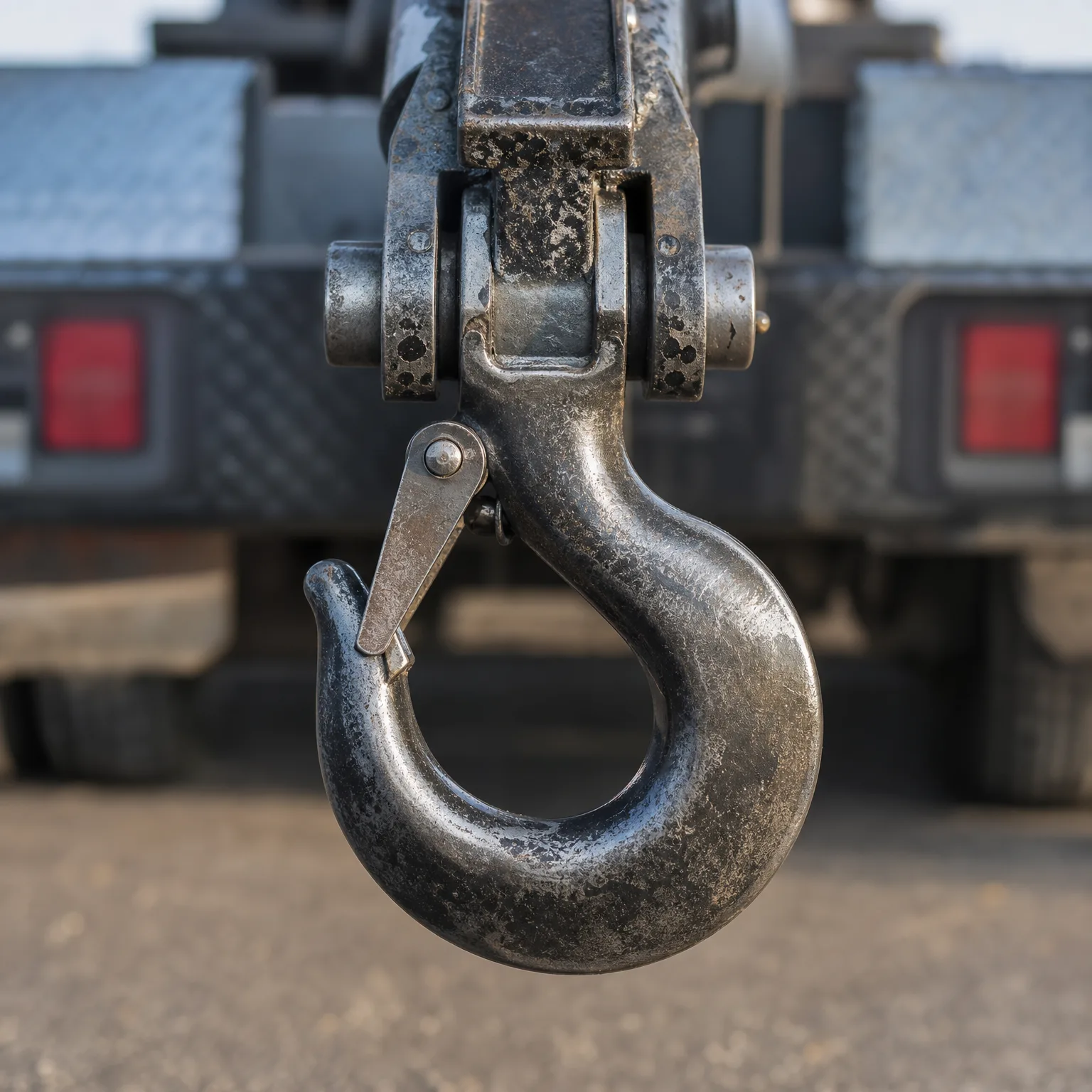
A breakdown on a drive to visit the grandkids
Say you're recently retired and planning a longer drive a few times a year to see family out of state. Your car is paid off and ten years old, and it's been running fine, but you've never thought much about what happens if it doesn't start somewhere unfamiliar. You check your declarations page and find liability, collision and comprehensive, but no roadside assistance listed anywhere.
You call your insurer and ask what a tow would cost you if the car broke down away from home for a reason that wasn't an accident. They confirm nothing would be covered unless you add roadside assistance, so you compare that cost against a standalone towing membership a friend mentioned. The membership turns out cheaper for the level of coverage you want, so you add that separately and leave your auto policy as is. Now you know exactly what happens if you're stranded three states away, and you didn't pay for coverage duplicated in two places.