How to Insure a Trailer
Most trailers ride on your auto policy for liability, but you need separate coverage to protect the trailer itself.
Free to compare
Your auto policy covers damage you cause, not damage to the trailer
When you tow a trailer, your car insurance liability coverage generally extends to it, because the trailer is treated as part of your vehicle on the road. If you cause an accident while towing, your liability coverage responds the same way it would without the trailer attached. This is true almost everywhere, though the details of how far that protection reaches can vary by state and by insurer.
What your auto policy usually will not do is pay to repair or replace the trailer if it's stolen, damaged in a storm, or wrecked in a collision you cause. Liability coverage protects other people and their property, not yours. For that, the trailer itself needs to be insured on its own, either through a policy built for trailers or an endorsement added to your existing policy.
How that coverage gets set up depends on what kind of trailer you have. A small utility trailer might be inexpensive to add as a scheduled item. A travel trailer or horse trailer, especially one with real value, usually needs its own policy with coverage for the structure, contents, and sometimes liability if it's parked and someone is hurt near it. Ask your insurer which category your trailer falls into, because the line isn't always obvious.
Where you keep the trailer and how often you use it also matters. If you're retired and planning to travel more, or less, tell your insurer that too. Usage patterns affect both what coverage makes sense and what you'll pay for it, and this is one of the few places where being retired actually works in your favor.
What to check before you tow anything
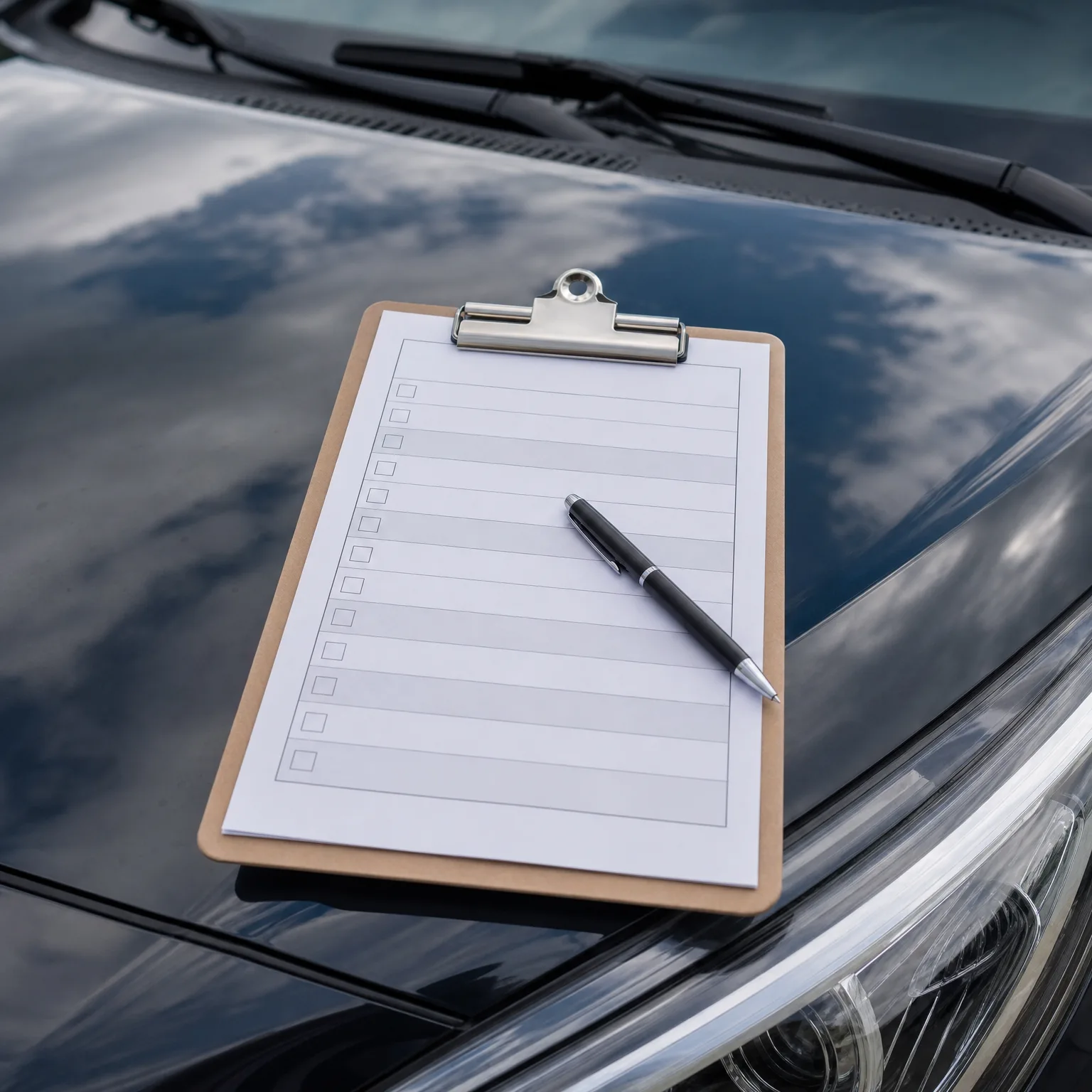
- Confirm liability extends to it Call your insurer and ask directly whether your auto liability covers the trailer while it's attached. Get the answer in writing or in your policy documents, not just verbally.
- Insure the trailer separately If the trailer has real value, ask about scheduling it or getting a standalone policy. This covers theft, weather damage, and collision damage to the trailer itself.
- Match coverage to trailer type A utility trailer and a travel trailer are not treated the same way. Tell your insurer exactly what you're hauling so they can place it in the right category.
- Declare your real usage If retirement means more road trips or a trailer sitting unused most of the year, say so. Usage affects price and the right policy type.
- Ask about storage and parking Some policies change coverage depending on where the trailer sits when not in use. Mention if it's stored at home, at a lot, or on the road for weeks at a time.

Whether you tell your insurer about the trailer
If you do
Your insurer confirms exactly what's covered and adds the trailer properly, whether that's an endorsement or its own policy. You know before anything happens whether theft, weather, or collision damage to the trailer is covered. No surprises if you ever need to file a claim.
If you don't
You may assume the trailer is covered because it's attached to your car, but liability and physical damage are different things. If the trailer is stolen or wrecked, you could find out during the claim that nothing was ever in place to pay for it.
Once you know how your trailer needs to be covered, compare quotes that include it properly instead of guessing.
Do I need a separate policy for a small utility trailer?
Not always. Many insurers let you add a small utility trailer to your auto policy as a scheduled item for a modest cost, rather than requiring a standalone policy. This usually covers physical damage to the trailer itself, not just liability. Check with your insurer because some set a value or weight threshold below which they'll simply schedule it, and above which they'll require separate trailer coverage. If your trailer is older or low in value, ask whether it's even worth insuring for physical damage versus covering replacement cost yourself.
Does my car insurance cover a trailer I rent instead of own?
Usually yes for liability, but not for damage to the rented trailer, so check the rental agreement. Your auto liability coverage typically extends to a rented trailer the same way it would to one you own, since it's treated as part of your vehicle while towing. But the rental company may hold you responsible for damage to their trailer, and that's where your auto policy may not help. Ask the rental company directly what they require, and ask your insurer whether your policy extends any physical damage coverage to rented equipment.
What happens if someone is hurt by my parked trailer?
This depends on whether your trailer has its own liability coverage, since your auto policy's liability generally applies while towing, not while parked and detached. If someone is injured by a trailer sitting on your property or at a campsite, a standalone trailer policy with liability coverage would respond, but basic auto coverage might not. This is especially relevant for larger trailers that get set up and lived in for periods of time. Ask your insurer specifically about liability when the trailer is unhitched.
Your auto policy protects what the trailer might damage, not the trailer, and closing that gap is on you.