
Is There a Legit Way to Get Cheaper Car Insurance
Yes, you can legitimately pay less, mainly by updating your mileage and shopping your retired life against your old policy.
Free to compare
Five real levers that lower your bill honestly
- Report lower mileage If you're not commuting anymore, your insurer needs to know. Call and update your annual mileage estimate, since this is one of the fastest legitimate ways to see your rate drop.
- Ask about retiree discounts Some insurers offer a discount simply for being retired or over a certain age. It won't appear automatically, so you have to ask your agent directly whether it applies to you.
- Recheck your coverage levels Coverage that made sense with two commuting cars may not fit your life now. Look at whether you still need the same liability limits and whether add-ons like rental reimbursement still make sense.
- Consider usage-based programs If you're driving less and more predictably, a program that tracks actual driving can lower your rate. Ask whether your insurer offers one and whether it fits how you drive now.
- Shop your new profile around Your risk profile changed the day you retired, so your old insurer's pricing might not be competitive anymore. Get quotes from a few companies using your current mileage and household details.

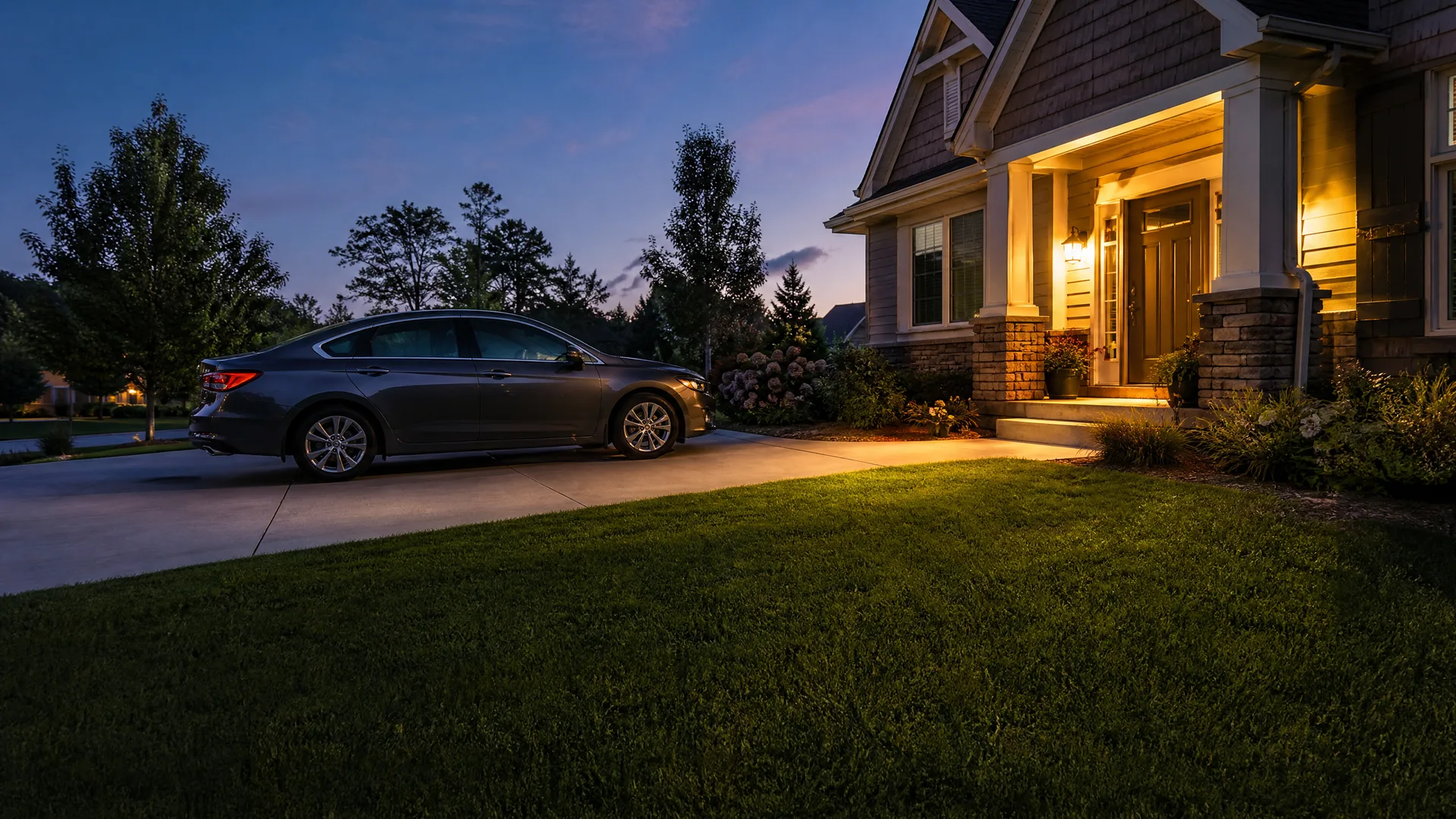
Dropping from two commutes to one quiet driveway
A couple in their mid sixties retired within a few months of each other. For years their policy had been priced around two long commutes, five days a week, in separate cars. Once both of them stopped working, they kept paying the same rate for almost a year because nobody told the insurer anything had changed.
When they finally called to ask about a different question, the agent asked how much they were driving now. They realized their combined mileage had dropped by more than half, mostly errands, visits to family, and occasional day trips. They updated their mileage, asked about a retiree discount, and requested new quotes from two other companies using their current numbers. One competitor came back meaningfully lower once their actual driving was factored in, and they switched before their next renewal.
Now that you know what lowers your rate, compare quotes using your real mileage and retired life to see the difference.

Do you update your policy for retired life
If you do
You report lower mileage, ask about retiree discounts, and recheck your coverage. Your insurer reprices your policy around your actual driving and risk, and you likely see a lower premium at your next renewal, sometimes sooner if you ask for a mid term review.
If you don't
Your policy stays priced for the commuting life you used to have. You keep paying for mileage you no longer drive and miss discounts you now qualify for, and you won't know how much you're overpaying until you happen to compare it against a new quote.
Will my rate go up just because I'm getting older?
Age by itself isn't the main driver once you're past the steepest years of risk, which are typically young adulthood. Many drivers in their sixties are still in a favorable pricing range, since insurers tend to see this age as experienced and lower risk, not higher risk.
What matters more is how much you drive, your driving record, and any changes in health or vision that could affect your ability to drive safely. Rates can eventually rise again at more advanced ages, and exactly when that shift happens varies by insurer and by state, so it's worth asking your agent directly how your company handles pricing for older drivers and what factors they weigh most.

Your policy still thinks you're commuting, and nobody fixes that for you unless you speak up first.