Should I Add Roadside Assistance to My Car Insurance
For most retired drivers, it's worth adding if you drive more unfamiliar roads now or no longer have coverage through a warranty.
Free to compare
It comes down to what backup you already have and how you drive now
Roadside assistance exists to cover the gap between a breakdown and help arriving. Before retirement, many people never think about it because a newer car's warranty includes it, or they rarely drive far enough from home for it to matter. Retirement changes both of those things. Warranties expire as cars age, and travel patterns shift toward longer trips, unfamiliar roads, and less predictable schedules.
The reasoning insurers use is simple. Roadside assistance is priced as a small add-on because the cost of a tow or a jump start is modest compared to a collision claim. For you, the question isn't whether it's expensive, it rarely is, but whether you already have equivalent coverage through a membership, a credit card benefit, or your vehicle manufacturer. Paying twice for the same protection is the main reason people regret adding it.
It also matters how you plan to use your car going forward. If you're keeping a car mainly for errands close to home, the odds of needing a tow are lower, though not zero. If you're planning road trips, moving to a more rural area, or driving a car that's old enough to have unpredictable issues, the value goes up quickly because you're removing the stress of figuring out who to call at the worst possible moment.
Where this varies is in how each insurer defines the service and what it actually includes, since towing distance limits, lockout service, and fuel delivery aren't standardized. Check your specific policy's terms rather than assuming all roadside add-ons are the same.
What to check before you decide
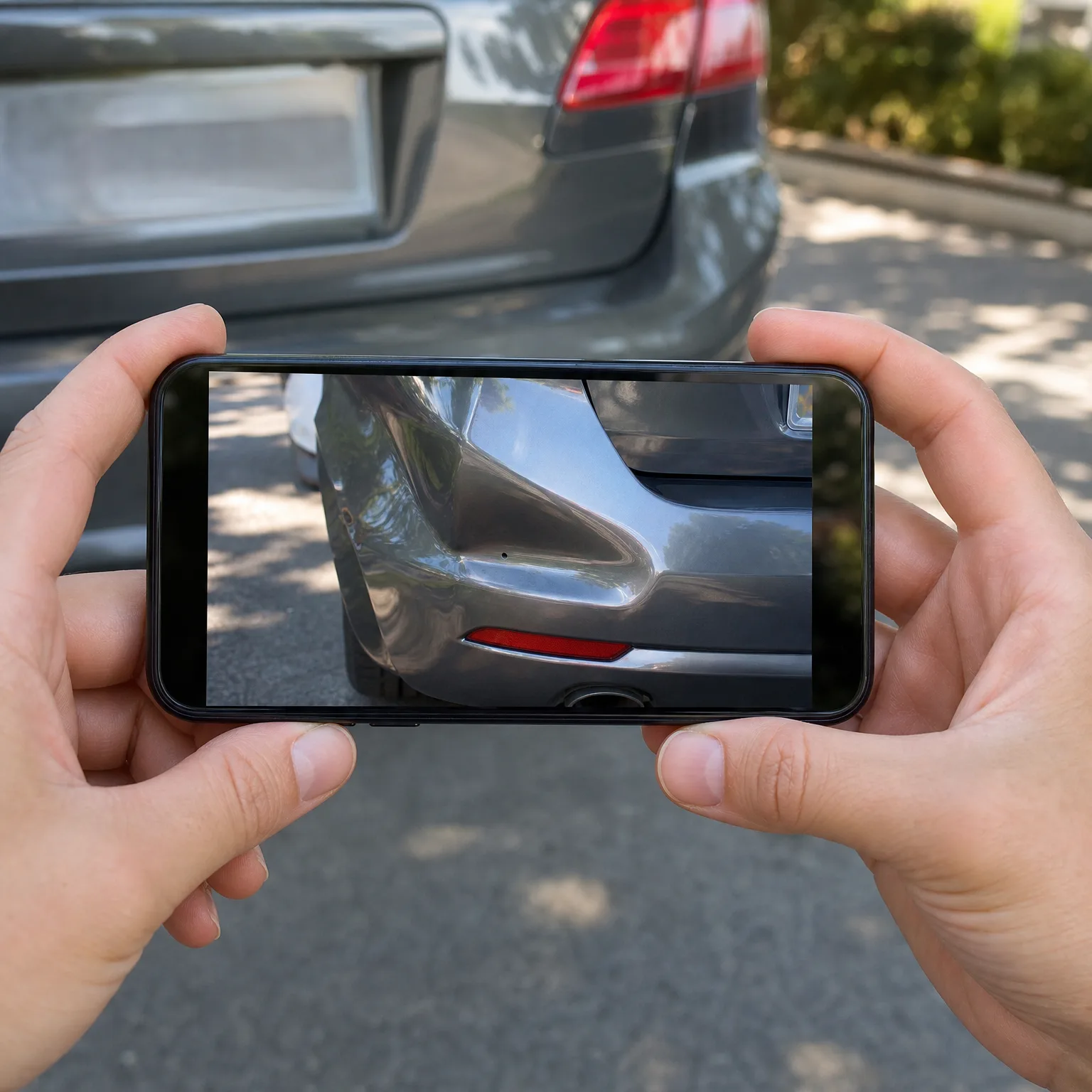
- Existing memberships Check if you already have a roadside membership or card benefit. If you do, adding it through insurance is probably duplicate coverage you don't need.
- Vehicle age and reliability Older cars break down more unpredictably than newer ones. If your car is out of its manufacturer coverage window, roadside assistance covers a real gap.
- How far you'll be driving If retirement means more road trips or driving in unfamiliar areas, the value of guaranteed help goes up. Ask your insurer what distance and location limits apply.
- What's actually included Towing, lockouts, fuel delivery and winching aren't always bundled together. Ask for the specific list of services before assuming it covers what you expect.
- Cost against likely use Compare the add-on cost to what a single tow or lockout service call would cost you out of pocket. Decide based on how often you'd realistically need it.
A retired couple deciding before a cross-country trip
A couple in their mid-sixties retired and started planning a long road trip to visit grandchildren several states away. Their car was eight years old, out of its manufacturer warranty, and neither of them had a roadside membership anymore since they'd let an old one lapse years earlier. They weren't worried about daily driving around town, but the idea of breaking down hours from home with no plan made them uneasy.
They called their insurer and asked exactly what roadside assistance would include, how far it would tow the car, and whether it applied in every state they'd be driving through. Once they confirmed it covered their whole route and included lockout and fuel delivery, they added it to the policy. They never needed it on that trip, but on a shorter trip the following year their battery failed in a parking lot two states away, and having it already in place meant one phone call instead of a scramble to find a local tow company.
Once you know whether this fits your driving now, compare quotes to see what it actually adds to your premium.

Adding roadside assistance to your policy
If you do
You get a single number to call for tows, lockouts, dead batteries or fuel delivery, usually for a small addition to your premium. You stop worrying about being stranded, especially on long trips or in areas you don't know well, and you avoid paying full price out of pocket for an emergency tow.
If you don't
You rely on whatever backup you already have, a membership, a manufacturer plan, or none at all. If your car is older or your driving now includes longer trips, a breakdown could mean paying for a tow yourself and spending time finding a reliable service in an unfamiliar area.
Will adding roadside assistance raise my premium a lot?
No, roadside assistance is typically one of the smaller add-ons on a policy, priced well below coverage like collision or comprehensive. Insurers treat it as a low-cost convenience service rather than a major risk category, since most claims involve a tow or minor service call rather than a large payout.
The exact cost depends on your insurer and sometimes your state, so ask for the specific amount it would add to your premium before deciding. If you're also comparing quotes elsewhere, ask each insurer the same question so you're comparing full policies rather than just the base price without add-ons.