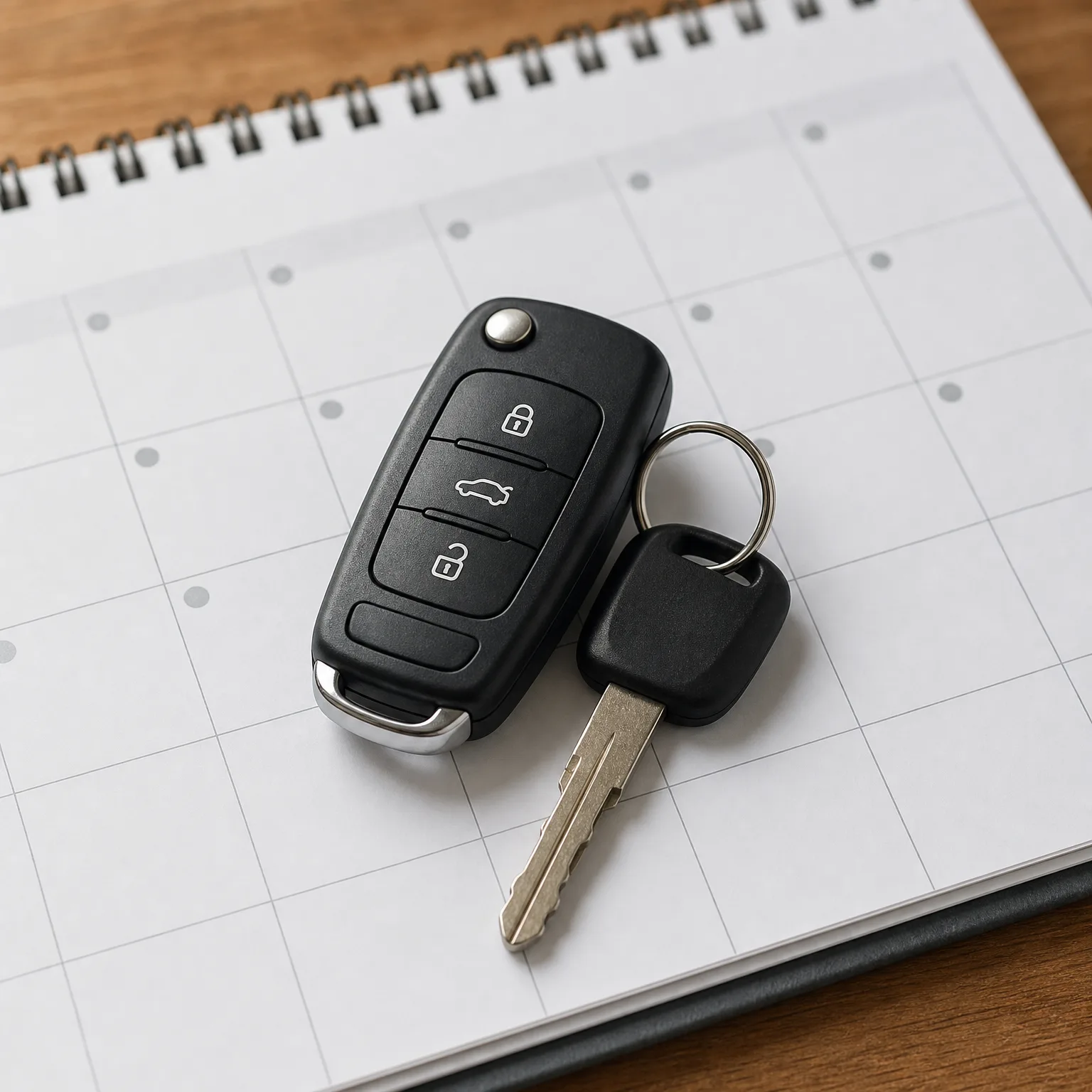
What Does 30/60/15 Liability Coverage Mean
The numbers stand for per person injury coverage, total per accident injury coverage, and property damage coverage.
Free to compare

Each number in 30/60/15 does a different job
- The first number, 30 This caps what the policy pays for one injured person in an accident you cause. If their medical bills run higher, you cover the rest yourself.
- The second number, 60 This caps the total paid out for all injuries in one accident, no matter how many people were hurt. Check how it splits if more than one person is hurt badly.
- The third number, 15 This covers damage you cause to someone else's car or property. Get a repair estimate on a newer vehicle before you assume this number is enough.
- What it doesn't cover This pays for others, not for your own car or your own injuries. Look at your policy for separate coverage on those if you want that protection.
- Why the gap matters now These numbers were likely set years ago based on a different budget and different assumptions. Revisit them now that your income and what you have saved have changed.
Is 30/60/15 enough coverage for someone my age with savings to protect?
It depends more on what you have saved than on your age. These numbers were often the minimum required by the state, not a number chosen because it matched a person's finances.
If you caused an accident and the costs went past what your policy pays, the other person could pursue the difference from you directly, and that includes savings and other assets you have built up over your working life. The more you have accumulated, the more that gap can cost you.
Many people in your position look at raising these limits or adding a separate umbrella policy once they retire, because the coverage that made sense for a tighter budget earlier doesn't always match what there is now to protect. Ask what it costs to raise each number and compare that against what you're actually trying to protect.

Now that you know what each number covers, compare quotes to see what raising your limits actually costs.

Deciding whether to raise your 30/60/15 limits
If you do
You pay a bit more each month, but your savings and other assets sit behind a wall that's taller than before. If you're ever at fault in a serious accident, the policy absorbs more of the cost instead of you. For most people retiring with any savings, this is the safer trade.
If you don't
Your monthly payment stays the same, but your exposure stays exactly where it was. A serious accident with injuries can easily cost more than 30 or 60 thousand in medical bills, and anything above your limits becomes your responsibility to pay. That risk doesn't shrink just because you're no longer commuting.
What happens if damages are more than my 30/60/15 limits cover?
The person you hit can come after you personally for the difference. The insurer only pays up to the numbers in your policy, and anything beyond that is your responsibility, which can mean a lawsuit against your income or savings. Check your state's rules on how this process works, since how claims beyond your limit are pursued can differ. If you have meaningful savings, this is the scenario that makes raising your limits or adding extra coverage worth a real look.
Does 30/60/15 coverage change if I drive fewer miles after retiring?
The coverage itself doesn't change, but what you pay for it often can. Insurers frequently offer lower rates for lower yearly mileage, since less driving usually means less risk. Ask your insurer how they calculate mileage, whether you need to report it, and how often they want updates. This is a separate conversation from your liability limits, but both are worth raising at the same time since you're already reviewing the policy.
Should I raise my liability limits if I'm only keeping one car now?
Going down to one car doesn't mean you need less liability coverage, since the limits protect your savings, not your vehicle. What matters is what you have to lose if you cause a serious accident, which usually has little to do with how many cars you own. Use this as a natural point to review your limits alongside the rest of your policy, since you're already comparing coverage and costs.
These numbers protect your savings, not your car, so what you have saved should decide how high they go.