What Does a $5 Million Umbrella Policy Typically Cover
Free to compare
A Sideswipe That Turned Into a Lawsuit
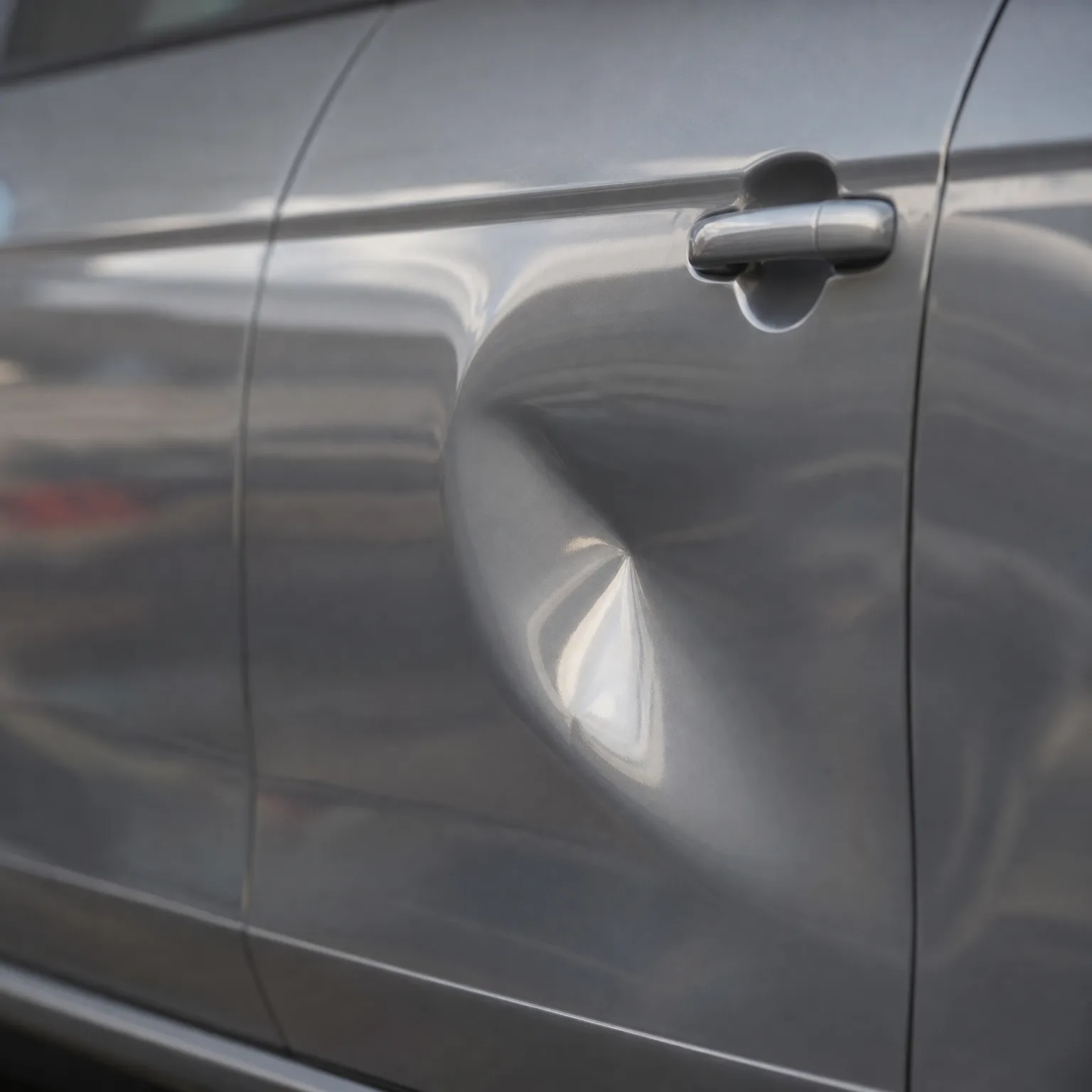
You're driving home from a grandchild's soccer game and you change lanes, clipping another car. The other driver is hurt badly enough to need surgery and months of physical therapy. Their medical bills, lost income and pain and suffering claims add up to an amount well beyond what your auto policy's liability limit covers. Without more coverage, you'd be personally on the hook for the difference, which could mean your retirement savings, your house or your investment accounts. The umbrella insurer stepped in, handled the legal defense, and paid the remaining judgment. You didn't have to liquidate savings or sell anything. The only thing that changed was a conversation with your insurance agent afterward about whether your auto liability limits were still set correctly, since the umbrella only kicks in above those underlying limits.
Do I still need this much coverage if I'm driving less in retirement?
Yes, usually. Umbrella coverage isn't about how often you drive or how many miles you log. It's about what you have to lose if you're found liable for someone else's serious injury or property damage, in a car accident, on your property, or in some other situation covered by the policy. Driving less can lower your auto insurance premium, but it doesn't reduce the size of a potential lawsuit if an accident happens.
What matters more at this stage of life is what you're protecting. Many retirees have paid off a mortgage, built up savings, and own assets outright, which makes them a more attractive target in a lawsuit than someone who rents and has little in the bank. If anything, the case for keeping or increasing umbrella coverage gets stronger after you retire, not weaker.

Now you know what this policy protects, so compare quotes to see what it costs on top of your auto insurance.
What's Actually Included in This Kind of Policy
- Injuries you cause If you're at fault in a car accident and the other person's medical and legal costs exceed your auto policy's limit, the umbrella covers the rest up to its own limit.
- Damage to others' property This includes damage you cause to someone else's car, home, or belongings beyond what your underlying auto or home policy pays, not just car accidents.
- Legal defense costs If you're sued, the policy typically pays for attorneys and court costs, which can be significant even if you're ultimately not found liable.
- Liability away from the road Many umbrella policies also cover situations unrelated to driving, like an injury on your property, so check your policy to see exactly what's included.
- What it won't cover Umbrella policies generally exclude your own injuries, intentional acts, and business liability, so ask your agent what's carved out in your specific policy.
Why Coverage Works This Way
Umbrella insurance exists to sit on top of your other policies, not replace them. Your auto policy has a liability limit, and once a claim exceeds that limit, you're personally responsible for the rest unless something else steps in. An umbrella policy is that something else. It only activates after your underlying auto or home policy limit is used up, which is why insurers require you to carry a minimum amount of auto liability coverage before they'll sell you an umbrella policy at all. These figures can escalate quickly in cases involving permanent injury, and a policy with a low limit can be exhausted by a single serious accident. A larger limit is there for the rare but real case where the costs go far beyond what a typical auto policy anticipates.
What the policy covers and excludes can vary by insurer, so it's worth checking your specific policy document rather than assuming all umbrella policies are identical. Some policies define certain situations differently, and some exclude specific activities or professional liability. State rules can also affect how these policies interact with your auto insurance, including what underlying limits are required, so ask your insurer directly what the requirements are in your state.
There are cases where this coverage works out differently than expected. If you're found to have acted with intent to cause harm, or if the claim involves something explicitly excluded in your policy, the umbrella won't apply no matter how much coverage you carry. This is why reading the exclusions section matters as much as knowing the coverage limit.
The risk isn't your driving, it's what you've built. This protects your savings, not your mileage.