What Does a Proof of Insurance Document Look Like
It's a card or digital page showing your name, vehicle, policy number, and the dates your coverage is active.
Free to compare
It exists so anyone can confirm your coverage in seconds
A proof of insurance document is just a summary built for quick checks. A police officer at a stoplight, a clerk at the DMV, or a dealer registering your car all need the same handful of facts fast: who you are, what you drive, who insures you, and whether the policy is active right now. So insurers strip everything down to those essentials and leave off the parts that don't matter for that moment, like your premium or your deductible.
This is why the layout can look different from one insurer to the next, but the content barely changes. Every version carries your name, the vehicle identification number, the policy number, the effective dates, and the insurer's contact information. Some states also require the agent's name or a specific state-issued form, so what counts as acceptable proof can vary by where you live and by insurer.
The format varies more than the content does. Many insurers now issue a digital card through an app or a PDF you can show on your phone, and most states accept that the same way they accept paper. A few situations still expect paper in hand, like certain traffic stops in particular states or older vehicle registration processes, so it's worth checking what your state and your insurer each require.
When you retire and start adjusting your coverage, maybe dropping to one car or changing how much you drive, your proof of insurance document updates automatically each time your policy changes. A new effective date, a new vehicle, or a new coverage level all trigger a fresh version. That's the built-in check that keeps the document trustworthy, since it always reflects your policy as it stands today, not as it stood when you first signed up.
What to check before you count on it
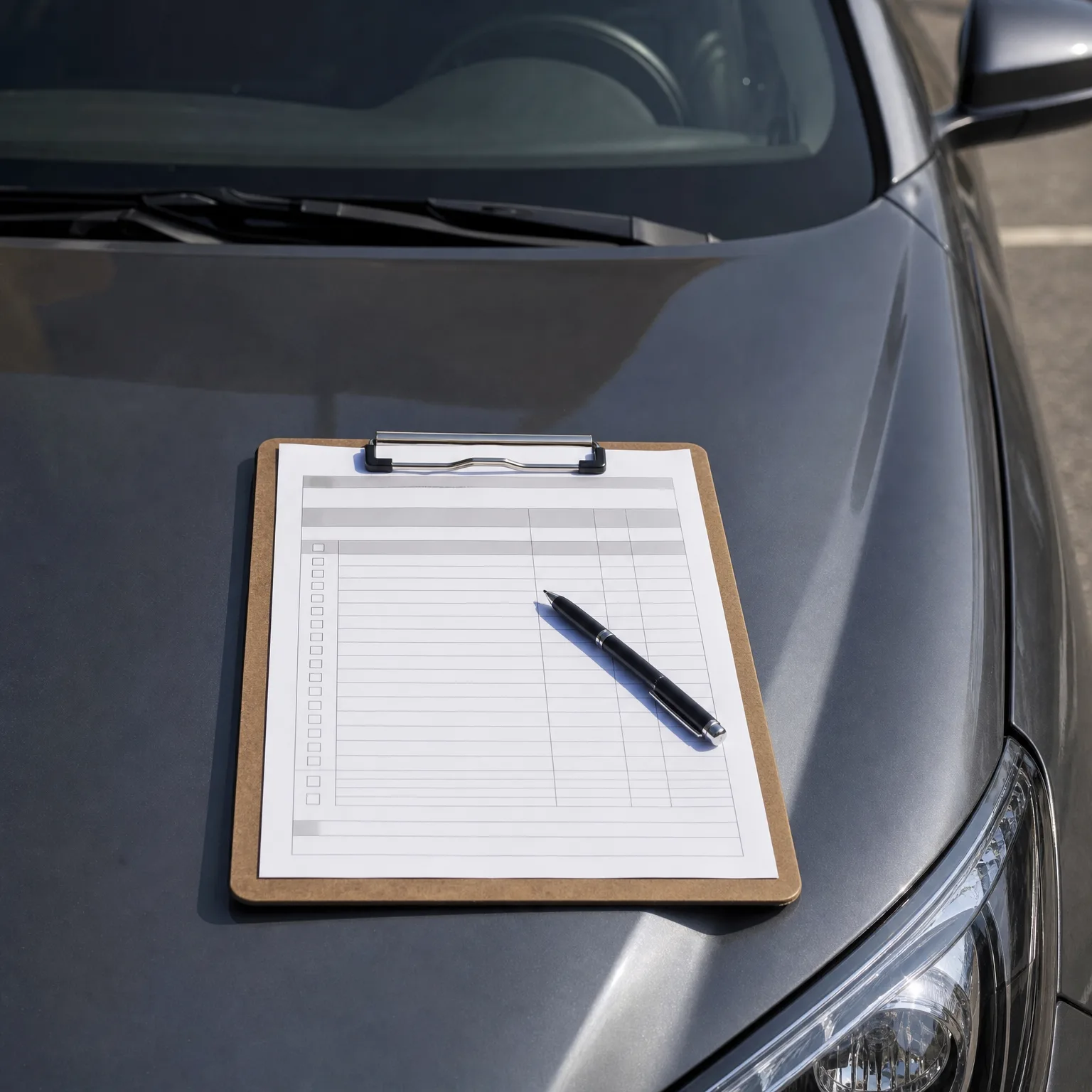
- Dates are current Look at the effective and expiration dates printed on the document. If either has passed or is about to, request an updated version before you need it.
- Vehicle details match The VIN and vehicle description should match exactly what you're driving. If you changed cars or went down to one vehicle, confirm the document reflects that.
- Digital or paper accepted Check whether your state and your insurer both accept a digital version. Some traffic stops or registration offices still expect paper, so keep a printed copy as backup.
- Your name is correct If you've changed your name or updated your address after retiring, make sure the document reflects it. A mismatch can cause delays even when coverage is active.
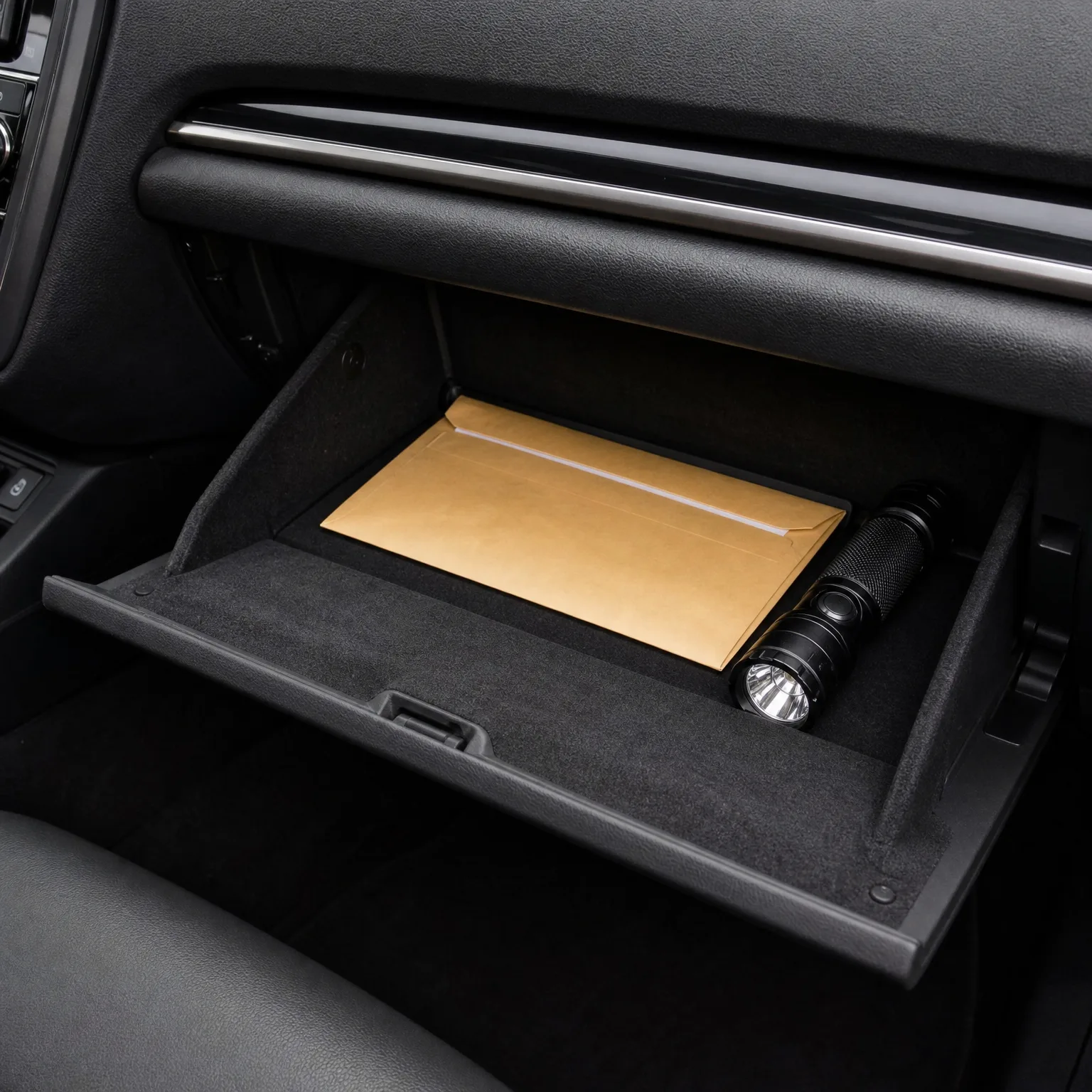
- Every driver has a copy If someone else drives your car regularly, make sure they have access to the current proof too, whether that's a copy in the glovebox or the app on their phone.

Once your proof of insurance checks out, compare quotes to see if the coverage behind it still fits your life.

Switching to one car after retiring
After retiring, you and your spouse decided to sell one of your two cars and keep the newer one. You called your insurer to remove the sold vehicle from the policy and adjust coverage for the single car you kept. The insurer processed the change and issued an updated proof of insurance document within a day, showing just the one vehicle and the new effective date.
You downloaded the digital version to your phone and also printed a copy to keep in the glovebox, since you weren't sure if your state's DMV would want paper when you went in to update your registration. At the DMV, the clerk accepted the printed copy without issue. A few weeks later, your spouse got pulled over for a burned-out taillight, and the officer accepted the digital version shown right from the insurer's app. Having both formats ready meant neither of you had to scramble or guess which one would be accepted where.
Treat every policy change as a reason to check your proof of insurance, not just assume it renewed itself.
Can I use a screenshot of my insurance card instead of the app?
Usually yes, since most states and officers accept a screenshot as long as it clearly shows your name, vehicle, policy number, and current dates. The risk is that a screenshot can go stale if your policy changes after you took it, while the live app version always shows the current status. Check with your state's specific rules if you want certainty, since a few are stricter about requiring the live app or a physical card.
What happens if my proof of insurance is expired when I'm pulled over?
In most states, you'll be asked to provide current proof within a set window, often by visiting the police station or mailing it in, rather than being penalized on the spot. The officer typically checks your insurer's database directly to confirm you're actually covered, since an expired card doesn't always mean lapsed coverage. What changes the outcome is whether your coverage is genuinely active, so keeping your card updated mostly avoids the hassle rather than the risk.
Do I need proof of insurance for a car I'm not driving anymore?
If the car is still registered and titled in your name, most states require you to maintain insurance and proof of it until you formally cancel the registration. Simply not driving the car doesn't remove the requirement. If you're storing a vehicle, ask your insurer about reduced coverage options instead of dropping the policy entirely, since letting registration and insurance lapse together can create bigger problems if you decide to drive it again.