What Happens if a Car Is Not Driven for a Month
Nothing changes automatically. Your coverage, your bill and your policy all stay exactly as they were unless you take action.
Free to compare
Your policy is priced on risk, not on miles driven
Car insurance is mostly priced around the vehicle existing and being insured, not around how often you start the engine. A parked car can still be stolen, hit by another driver, damaged by weather or vandalized, so liability and comprehensive coverage keep doing their job whether you drive daily or not at all. That's why a quiet month doesn't lower your bill on its own.
Where things can shift is usage-based programs. If your insurer tracks mileage through an app or a plug-in device, a month of little or no driving can actually lower your rate at the next review, since the program is built to reward exactly that kind of pattern. Not every insurer offers this, so check whether yours does before assuming a slow month helps your price.
The other variable is what you tell your insurer. If you're not driving because the car is in storage, some insurers let you switch to a reduced coverage level that drops collision but keeps comprehensive, since there's no risk of a crash if the car never leaves the garage. This isn't automatic and isn't offered everywhere, so you have to ask for it directly.
The exception that matters most is letting coverage lapse. If you stop paying because you're not driving, you risk a gap that insurers see later and often price higher for, even after you resume normal coverage. A month of nondriving is rarely a reason to drop coverage entirely.
What actually changes during a slow month
- Your premium Your premium stays the same unless you're on a usage-based program. Check your policy type before expecting any automatic savings.
- Your coverage Liability and comprehensive still apply even if the car sits untouched. Don't assume a parked car is uninsured risk-wise.
- Storage status Some insurers offer reduced coverage for cars that aren't driven at all. Call and ask if this applies to your situation.
- Battery and mechanical issues A car that sits for a month can develop battery or tire problems unrelated to insurance. Start it periodically to avoid separate repair costs.
- Reporting a lapse Never let coverage lapse just because you're not driving. Even a short gap can raise future rates.

A parked car is still a risk your insurer is covering, so the policy keeps working exactly as it did before.
Knowing your coverage won't change on its own, compare quotes to see if a usage-based policy fits you better.
A month away visiting family
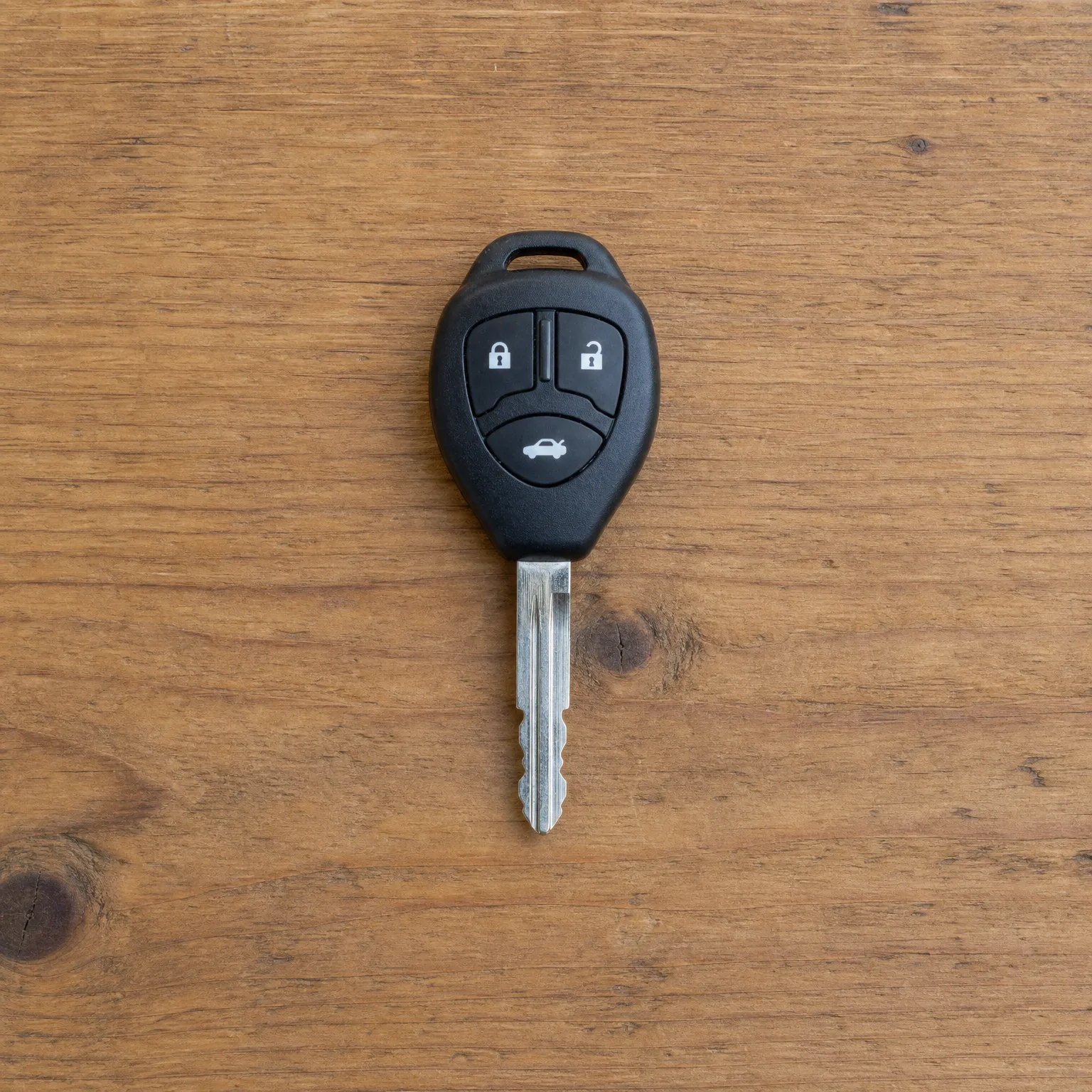
You retire and decide to spend a few weeks visiting your daughter out of state, leaving your car parked in the driveway the whole time. Before you leave, you consider calling your insurer to cancel coverage for the month, thinking it's wasted money on a car that won't move. Instead you check your policy and realize liability isn't the concern, comprehensive is, since the car could still be hit by a falling branch or broken into while you're gone.
You call your insurer anyway, not to cancel but to ask if anything changes. They confirm your coverage keeps working as normal and mention you're not enrolled in any mileage-based program that would have tracked the quiet month. You decide it's not worth switching policies for one month, but you make a note to look into a usage-based option before your next trip, since you're planning to travel more now that you're retired. The car starts fine when you get back, and nothing about your policy needed adjusting.

Will my insurance rate go down if I barely drive after retiring?
Only if you're enrolled in a program that tracks mileage. Standard policies are priced on the car being insured, not on miles driven, so a quieter driving pattern alone won't lower your rate. Ask your insurer whether they offer a usage-based or low-mileage option, since this varies by insurer and sometimes by state. If they do, switching could reward exactly the kind of retired lifestyle where the car sits more than it used to.
Can I pause my car insurance if I'm not driving for a while?
Some insurers allow a reduced storage coverage level, but true pausing is rare and depends on your insurer and state. If the car isn't registered or stored off the road, ask about dropping collision while keeping comprehensive. If you still plan to drive occasionally, pausing isn't usually available, and letting coverage lapse instead can hurt your rate later even if it saves money short term.
Does a parked car still need comprehensive coverage?
Yes, because comprehensive covers risks that exist whether or not the car moves, like theft, weather damage or vandalism. Dropping comprehensive only makes sense if the car is in secured, verified storage and you've confirmed with your insurer that reduced coverage applies. Check your state's rules too, since some have specific requirements for insuring a registered vehicle even if it's not being driven.