What Is the 60/40 Rule for Towing
The 60/40 towing rule is a state-by-state guideline on trailer-to-vehicle weight, so check your own state and policy to see if it applies.
Free to compare
Deciding Whether a Small Travel Trailer Fits Your Car's Rating
A newly retired driver who just bought a small travel trailer for weekend trips called their insurer to ask if the trailer was covered under their existing car policy. The agent asked for the trailer's loaded weight and the vehicle's tow rating, because some states and insurers use a ratio rule to judge whether a vehicle is considered safely matched to what it's pulling. The driver hadn't weighed the trailer loaded with gear, only empty, so the first step was finding a weigh station or using a certified scale to get a real number.
Once they had the loaded weight, the agent compared it against the vehicle manufacturer's towing capacity and explained what the insurer's underwriting guidelines required. The ratio came out within an acceptable range, so the existing policy extended to cover the trailer during travel, with no separate towing endorsement needed. Had the ratio been off, the driver would have needed either a different tow vehicle, a lighter trailer, or an added endorsement to keep coverage intact. They left the call with a written note of the numbers, in case they upgraded the trailer later and needed to redo the math.
Does my car insurance automatically cover a trailer I tow?
Not always, and this is the detail that trips up a lot of retirees buying their first trailer. Some auto policies extend liability coverage to a trailer being towed, but physical damage to the trailer itself often needs its own coverage, either through an endorsement or a separate policy.
Check your declarations page or call your agent and ask directly whether towed trailers are covered for liability, for physical damage, or both. Ask what weight or ratio limits apply, since exceeding them can affect a claim. If you tow often, in different states, or with a trailer you didn't own when the policy was written, it's worth confirming this every time your situation changes.

Now that you know what to check on towing limits, compare quotes to find a policy that matches your vehicle and trailer.

Checking Your Tow Ratio Before You Buy a Trailer
If you do
You weigh the trailer loaded, compare it to your vehicle's rated capacity, and confirm with your insurer that you're within their guidelines. You buy or keep a trailer that matches your vehicle, avoid overloading, and know your policy will actually respond if something happens on the road.
If you don't
You guess based on the trailer's advertised weight, which is usually lower than loaded weight with gear and water. If you're ever in a claim and the insurer finds the ratio was off, they may dispute coverage for trailer damage, leaving you to cover repairs or replacement out of pocket.
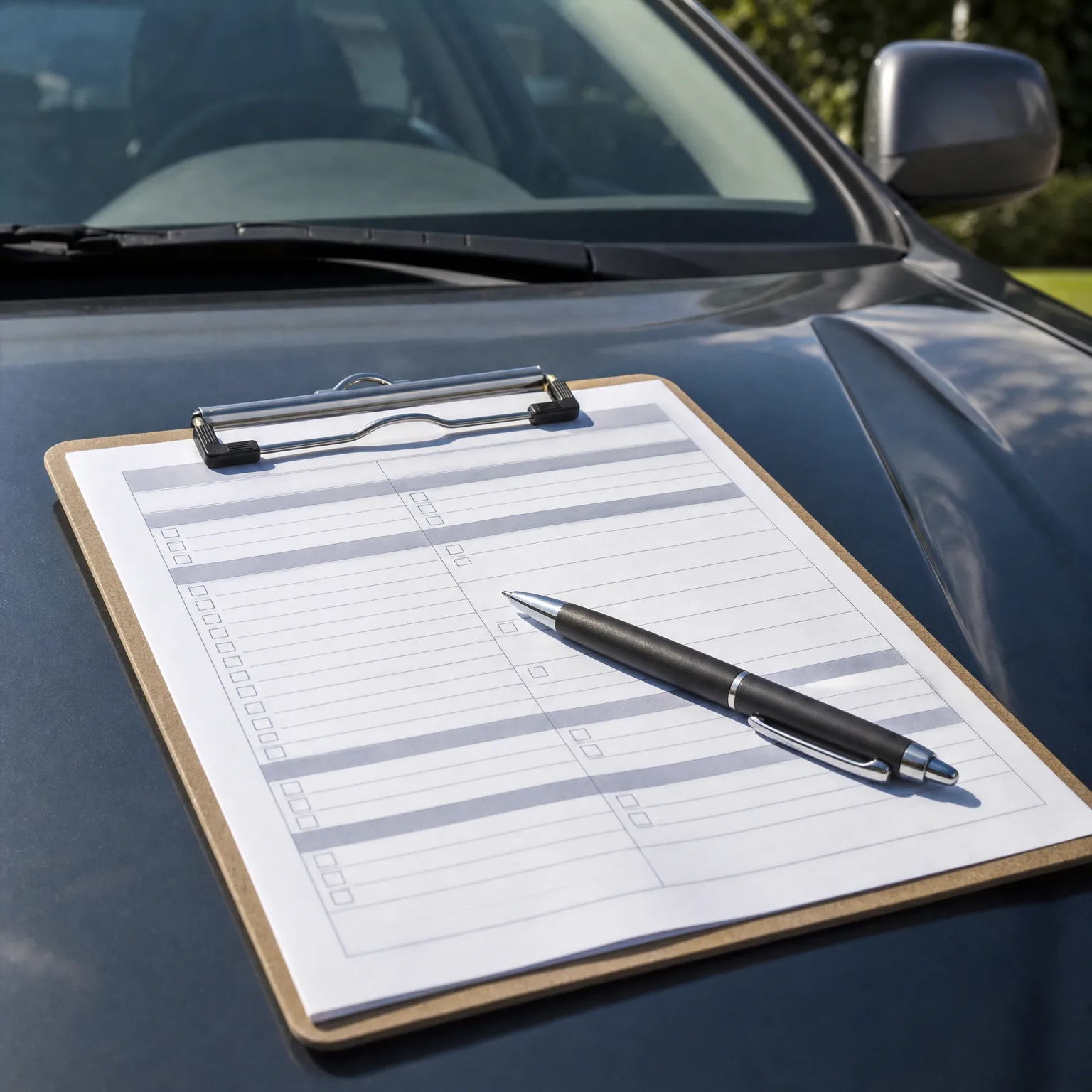
What To Check Before You Tow Anything
- Confirm the actual rule The ratio and whether it's enforced varies by state and insurer. Call your insurer and ask directly what guideline applies to your policy, rather than assuming a number.
- Weigh it loaded Trailer weight changes once you load gear, water, and supplies. Use a certified scale before you finalize a tow vehicle or trailer purchase.
- Check your tow rating Your vehicle's manual lists its maximum towing capacity. Compare that number directly against the loaded trailer weight, not the empty one.
- Ask about coverage type Liability and physical damage coverage for trailers are often separate. Confirm which one your policy includes and whether you need to add the other.
- Revisit it after changes Switching vehicles or trailers resets the math entirely. Recheck the ratio and call your insurer whenever either side of the equation changes.
The real risk is assuming your policy covers a trailer you never actually confirmed with your insurer.