What to Do After a Car Accident Far From Home
Your coverage travels with you, so the steps after a crash away from home are the same ones you'd take close to it, plus a few extra calls.
Free to compare
A retiree's crash three states into a road trip
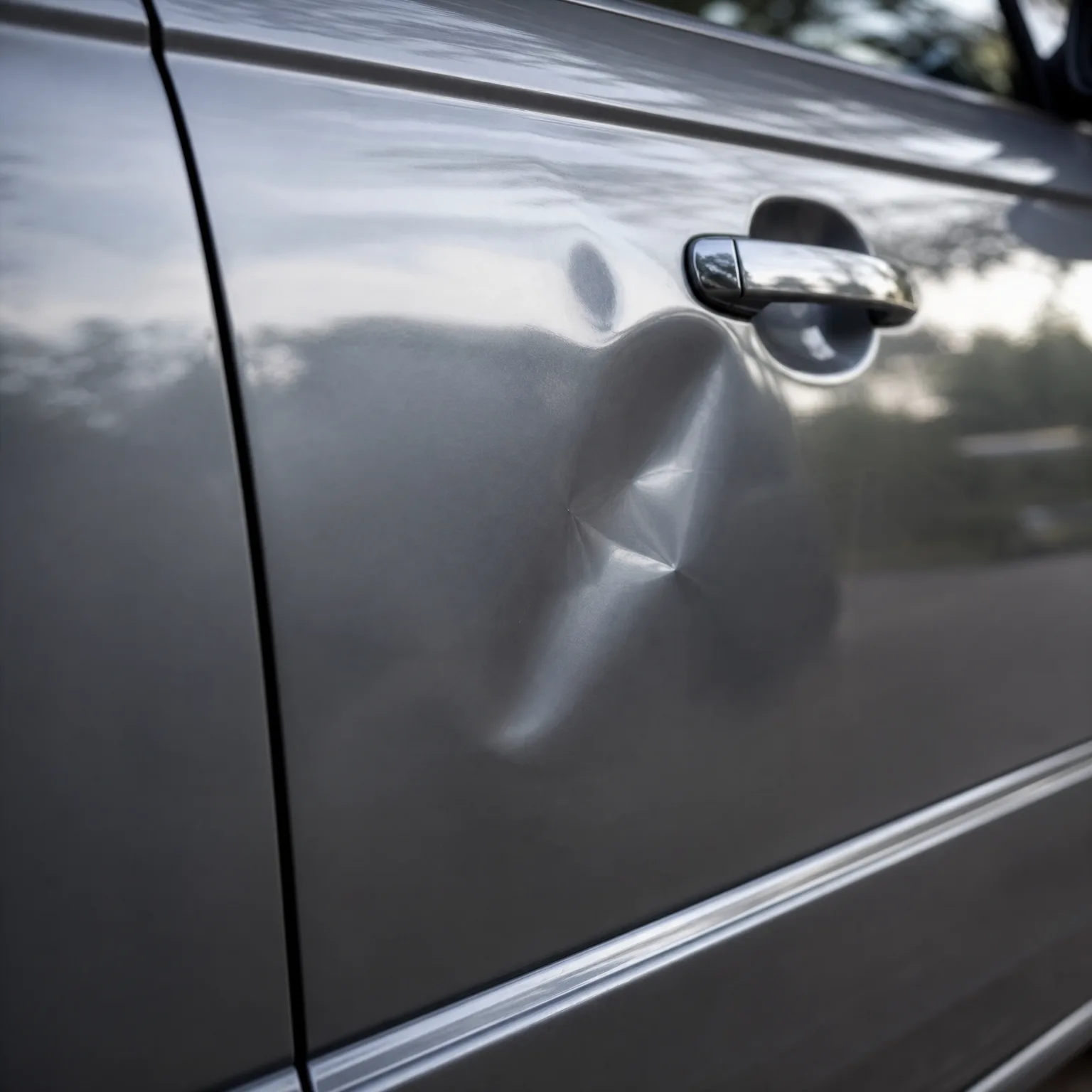
You're driving through a state you don't live in, visiting family or just seeing the country now that the schedule is your own, and someone rear-ends you at a stoplight. No one is hurt, but your bumper is crushed and the other driver is asking you not to call anyone, offering to pay cash. You take photos anyway, get the other driver's license and insurance information, and call the police to file a report even though it feels like a hassle in an unfamiliar town.
You call your insurer's claims line from the scene, and because your policy follows you across state lines, the person on the phone doesn't need to know where you are to start the claim. They arrange a local shop to look at the car and a rental if you need to keep moving. The other driver's offer of cash would have left you with no paper trail if problems showed up later, and the report you filed is what makes the claim simple instead of a dispute.
Does my policy still work if the accident happens in a different state?
Yes. Your coverage is tied to you and your car, not to the state you're standing in when something happens. The policy you bought at home pays claims no matter where in the country the accident occurs.
What can shift is which rules apply to the claim itself, since some states handle fault and minimum coverage differently. Your insurer sorts out which state's rules govern the claim, you don't have to figure that out yourself. If you're driving outside the country, that's a different situation and worth checking before you go, since many policies stop at the border.

Once you know your coverage travels with you, compare quotes to make sure it travels well.

Whether you call your insurer from the scene
If you do
You get a claim number, a plan for repairs, and often a rental car arranged before you leave town. Someone experienced is handling the unfamiliar parts, like finding a shop you can trust in a place you don't know. The accident stops being your problem to manage alone.
If you don't
You're left negotiating repairs and medical questions on your own in an unfamiliar place, often under pressure from the other driver or a shop that wants fast payment. Details fade before you get around to reporting it, and delays can make the claim harder to support later.
Why your coverage doesn't stop at the state line
Car insurance is written around you and the vehicle, not around a location. The policy exists to pay for damage and injury whenever and wherever your car is involved in an accident, which is why it keeps working whether you're a mile from home or on the other side of the country.
What changes from state to state is the legal backdrop behind the claim, not whether your policy applies. States differ in how they assign fault, what minimum coverage drivers there are required to carry, and how injury claims get resolved. Your insurer handles those differences for you, matching the claim to the right state's rules so you don't have to learn unfamiliar law in the middle of a trip.
This is also why the paperwork at the scene matters more when you're away from home. A police report and clear photos hold up on their own, without you there later to fill in gaps from memory. If you're relying on a local garage or doctor you've never used before, that documentation is what lets your insurer step in and manage things on your behalf.
The exception worth knowing is travel outside the country. Coverage that follows you across states usually doesn't follow you across a border, so a trip into another country calls for a separate check with your insurer before you go, not after.
Do I need to file a claim in the state where the accident happened?
No, you file with your own insurer no matter where the accident occurred. They take the report, assign an adjuster, and apply whatever rules that state uses to settle it. You don't need to find a local insurance office or navigate another state's claims system yourself. The one thing to check is whether the other driver's insurer contacts you directly, since you're not obligated to give them a statement without your own insurer involved first.
What if I need repairs before I can drive home?
Your insurer can usually authorize repairs at a shop near where the accident happened, not just one near your home. Ask about a network shop in that area, since using one often makes the process faster and avoids you paying upfront and waiting for reimbursement. If the car isn't safe to drive, ask about rental coverage and whether it includes one-way drop-off if you end up finishing the trip a different way.
Does my coverage change if I'm retired and driving less than I used to?
It can, but only if you tell your insurer about the change, since they price your policy on the driving they expect from you. Lower annual mileage often qualifies for a better rate, but it won't apply automatically just because your commute ended. Call and update your expected mileage and how the car is used now, and ask what proof, if any, they want to confirm it.