Will Insurance Give You Money if Your Car Breaks Down
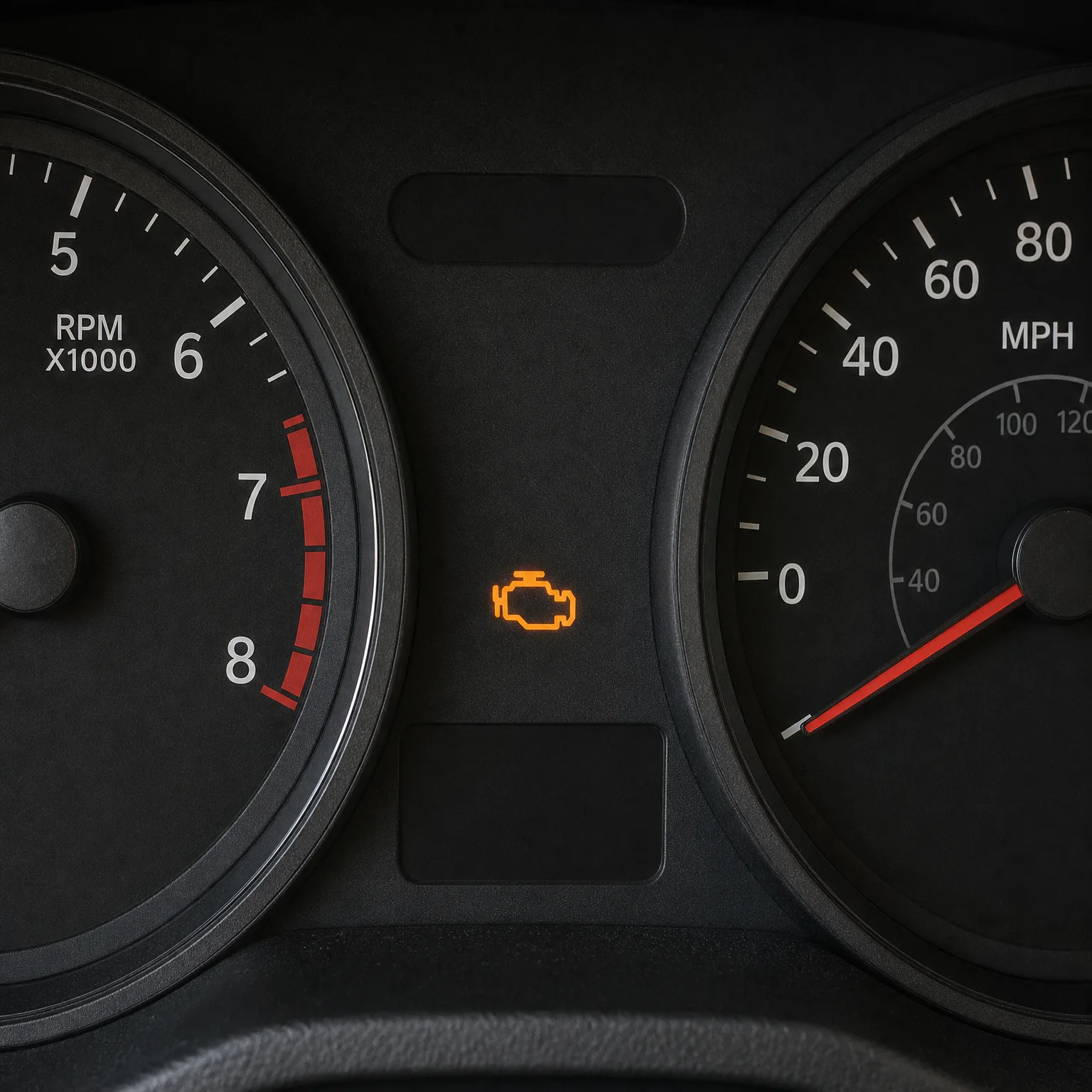
No, regular car insurance does not pay for mechanical breakdowns, only for damage from accidents, weather or theft.
Free to compare
Insurance covers sudden damage, not parts wearing out
Car insurance was built to cover things that happen to you, not things that happen inside your engine over time. A collision, a falling tree, a theft, these are sudden events outside your control, and that's what your policy is designed to pay for. A transmission failing after years of heavy use or a battery dying in cold weather is wear, not an accident, and insurers treat it as a cost of ownership rather than a covered loss.
This split exists because mechanical failure is partly predictable. Insurers can price for the random chance of a crash, but if they covered every worn-out part, premiums would rise for everyone to cover routine maintenance that owners were always going to face anyway. So the line gets drawn at cause, not at how expensive or inconvenient the breakdown feels.
Where this gets confusing is roadside assistance, which some policies include or sell as an add-on. That pays for a tow or a jump start, but it does not pay to replace the part that failed. It gets you off the shoulder of the road, not a new alternator. Extended warranties and mechanical breakdown insurance are the separate products built for that, and they work differently by state and by insurer, so check your policy documents or ask directly what's included before you assume you have it.
The exception that trips people up is when a breakdown causes a second event, like a part failing and causing a crash. In that case the crash damage may be covered even though the original mechanical failure was not. What your insurer treats as the triggering cause can vary, so if this kind of situation applies to you, ask your insurer directly how they would draw that line.
What actually pays for a breakdown then?
For most people it is roadside assistance paired with either an extended warranty or a separate mechanical breakdown policy. Roadside assistance gets the car towed and gets you moving again, often same day, but it does not fix anything mechanical.
An extended warranty, usually bought through the dealer or manufacturer, covers specific named parts for a set period. Mechanical breakdown insurance is a similar idea sold by some auto insurers as an add-on, covering repair costs after a deductible. Coverage details, what's included, and how claims are filed vary by provider, so ask directly what is and isn't covered before you rely on either one.

Deciding whether to add mechanical breakdown coverage
If you do
You pay a bit more each month, but a major repair like a transmission or electrical failure gets covered after your deductible. You call your insurer, get a shop approved, and pay only your share. Good for an older car you're keeping or one just past its factory warranty.
If you don't
You keep your premium lower, but you're paying full price out of pocket if something major fails. For a newer car still under a manufacturer warranty this usually costs you nothing extra, since the warranty already covers it. For an older car it can mean a large unplanned bill.
Knowing what's covered, compare quotes with the roadside and mechanical add-ons you need.
What to check before you assume you're covered
- Roadside assistance This covers towing, jump starts, and lockouts, not repairs. Check if your policy already includes it before paying for a separate club or app.
- Mechanical breakdown add-on Some insurers sell this to cover specific repairs after a deductible. Ask whether it's offered in your state and what parts it actually names.
- Manufacturer warranty status If your car is still under warranty, mechanical coverage from your insurer may be redundant. Check your warranty's remaining years or mileage before adding anything.
- Age and mileage of your car Older, higher-mileage cars benefit most from extra mechanical coverage since factory warranties have usually expired. Weigh the add-on cost against likely repair costs for your specific model.
- What counts as an accident If a mechanical failure causes a crash, the crash damage may be covered even though the failure itself wasn't. Ask your insurer directly how they'd handle that kind of claim.

When the transmission failed on a ten-year-old sedan
A retiree driving a ten-year-old sedan with no remaining manufacturer warranty had the transmission fail on a highway trip. The car was towed through the roadside assistance included in the policy, which cost nothing extra and arrived within the hour. But when the repair shop quoted the transmission replacement, the insurer confirmed that cost was not covered, since it was mechanical failure and not an accident.
The repair bill came entirely out of pocket. Afterward, the driver called the insurer to ask about adding mechanical breakdown coverage going forward, and learned it was available in their state as an add-on with its own deductible. They weighed the monthly cost of the add-on against the likelihood of another major repair on a car already past the decade mark, and decided it made sense given how long they planned to keep driving it. The lesson they took away wasn't to blame the insurer, since the policy had worked exactly as written, but to understand ahead of time which parts of a breakdown get covered and which don't, so the next unplanned repair wouldn't catch them off guard.