
Car Insurance Replacement Value vs Market Value
Replacement value pays for a similar new car, market value pays what your actual car was worth, and most policies only promise the second.
Free to compare
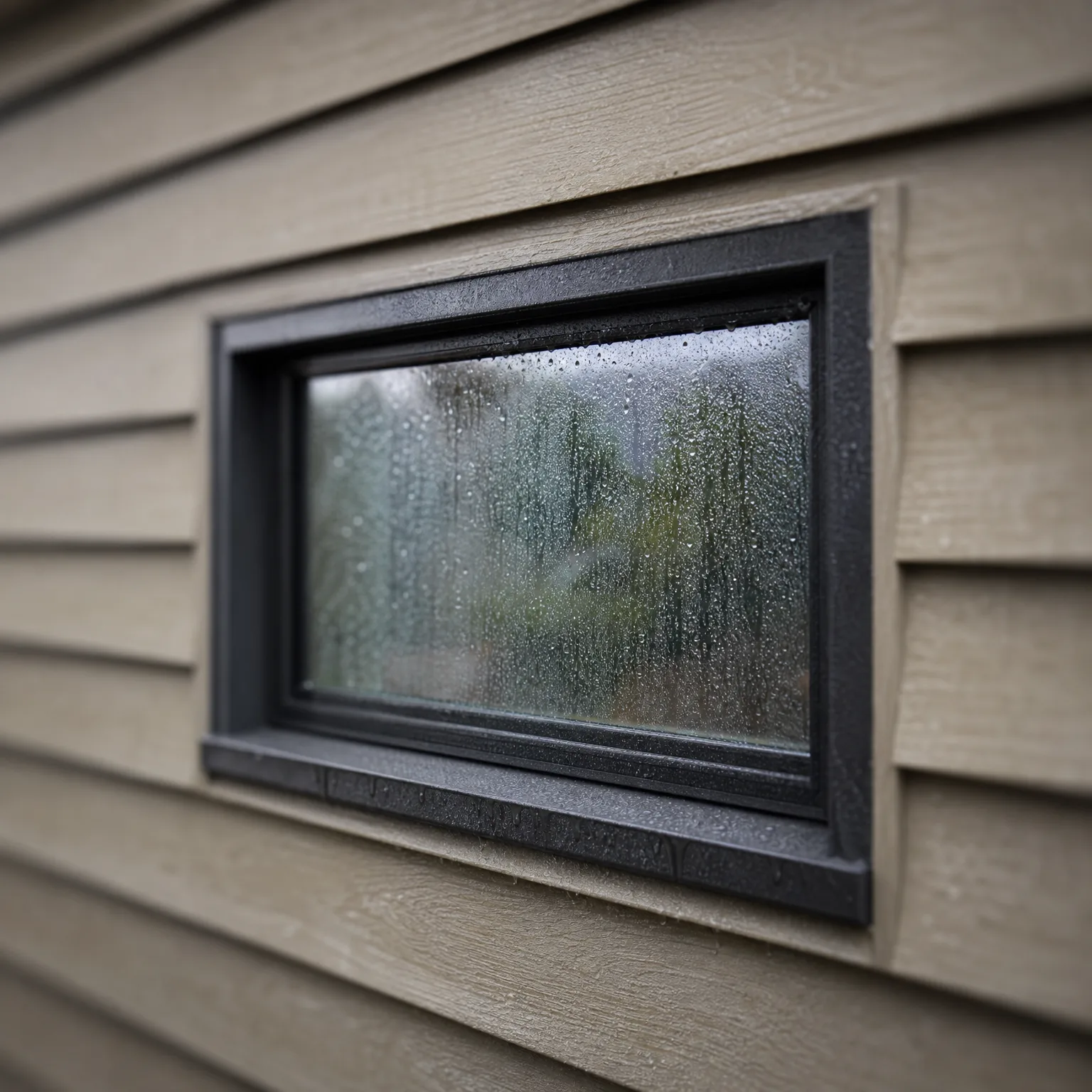
A retiree finds out which value applies after a hailstorm
A reader who recently retired had a seven year old sedan parked outside during a hailstorm, and the dents were bad enough that the insurer called it a total loss. He assumed he would get enough to buy a similar car new, since that was the car he still pictured owning. Instead the insurer sent an adjuster who looked at the car's age, mileage, condition, and recent sale prices for similar cars nearby, and the payout matched that number, not a new sticker price.
He called his agent to ask why, and learned his policy only ever paid market value, the same as almost every standard policy does. Replacement value coverage exists, but it has to be added on purpose, usually for newer cars, and it costs more each month. Since he was already cutting his mileage and thinking about dropping to one car, he decided the extra cost wasn't worth it for a car that old. He kept standard coverage, but he now checks his car's market value every year so a total loss never surprises him again.
Can you add replacement value coverage to your policy now?
Usually yes, if your car is young enough and in good enough condition that the insurer is willing to offer it. Many insurers set an age or mileage cutoff, often a handful of years, past which they won't sell this coverage at all, so a car that's older may not qualify no matter how well it's maintained.
If you're eligible, the insurer will quote the added cost, and you can weigh it against what you'd actually lose going without it. For a car you plan to keep a long time or hand down, it may be worth it. For a car you're already planning to replace or drive less, standard market value coverage is usually the more sensible choice, since you're paying less for coverage you're less likely to need in full.

Now that you know which value your policy pays, compare quotes to see what real replacement coverage would cost you.

Whether you add replacement value coverage
If you do
Your insurer agrees to pay enough to buy a similar new car if yours is totaled, not just what your old one was worth. Your premium goes up some each month. If your car qualifies by age and condition, this protects you from the gap between an old car's worth and a new car's price.
If you don't
Your policy pays only market value if your car is totaled, based on its age, mileage, and condition at the time. Your premium stays lower. If your car is older or you're planning to replace it soon anyway, this gap usually matters less, since you weren't counting on a brand new replacement.

What decides which value you actually get paid
- Your policy type Standard coverage pays market value unless you specifically added replacement value coverage. Check your declarations page to see which one you actually have.
- Your car's age Most insurers only offer replacement value coverage on newer cars, with a cutoff past which it's not available. Ask your agent if your car still qualifies before assuming you can add it.
- Condition and mileage Market value depends on your car's actual condition and mileage, not just its age on paper. Keep maintenance records, since they can support a higher valuation if you're ever in a dispute.
- Regional sale prices Market value is often based on recent sales of similar cars in your area, and this varies by state and by insurer. Ask how your insurer sources that number so you know what to expect.
- Your own driving plans If you're driving less or planning to downsize to one car, a payout gap matters less than it once did. Factor in your actual plans, not just what the car is worth to replace exactly as is.
Your policy pays what your car was worth, not what a new one costs, unless you added coverage for that gap.