Dropping Coverage on an Older Car
Drop collision and comprehensive once the car's value is low enough that a claim wouldn't cover much, and keep liability always.
Free to compare

Check these before you drop anything
- Know the car's real value Look up what the car would actually sell for today, not what you paid or what you think it's worth. That number tells you the most a claim could ever pay you, and it's the one you compare against your premium.
- Compare premium to payout Add up what you pay yearly for collision and comprehensive combined. If that cost is close to a meaningful share of the car's value, the coverage is doing less for you than it looks like.
- Check your loan or lease status If the car is financed or leased, the lender almost certainly requires this coverage and you can't drop it on your own. If you own it outright, the choice is entirely yours.
- Decide what you could absorb If the car was totaled or stolen tomorrow, think about whether you could replace it or go without using savings. That answer matters more than any formula.
- Keep liability regardless Liability covers damage you cause to others and is required almost everywhere you drive. Dropping collision or comprehensive never touches this part of your policy.
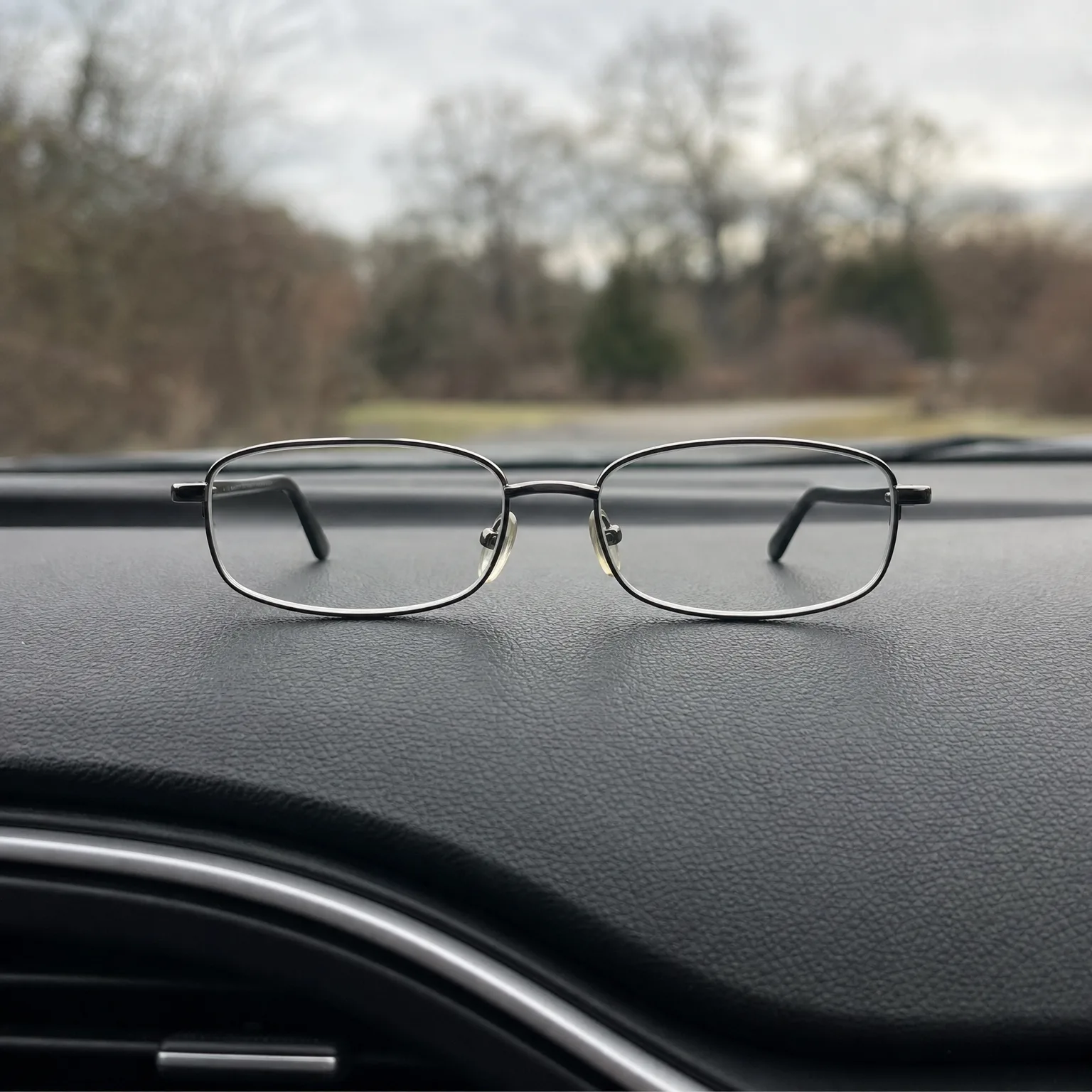
An eleven year old sedan with a paid off loan
A reader recently retired and now drives a sedan that's eleven years old, paid off, and used mostly for errands and visits to family a couple hours away. She pulled up her declarations page and saw she was paying a noticeable amount each year for collision and comprehensive combined. She looked up what similar cars in her area were actually selling for and found the number was modest, low enough that a claim payout wouldn't go far toward a replacement anyway.
She called her agent, confirmed there was no loan requiring the coverage, and asked what her policy would cost with just liability plus the state minimum requirements. The drop in premium was real and immediate. She kept a small cushion in savings in case the car was ever damaged or stolen, deciding that covering that risk herself made more sense than paying every year for coverage that could barely cover a quarter of a new car's cost. A few months later a hailstorm dented the hood. She paid for the repair herself, and it cost her far less than years of premiums would have.
The question isn't whether the car could be damaged, it's whether a payout for it would matter to you.
Once you know whether this car still needs full coverage, compare quotes with that answer already decided.

Should you drop collision and comprehensive now
If you do
Your monthly premium drops right away, often by a noticeable amount. If the car is damaged, stolen, or totaled, you pay for repair or replacement yourself, since there's no coverage to file a claim against. You keep liability, so you're still covered for damage you cause to others.
If you don't
You keep paying for coverage that, if ever used, would pay out close to what you already spend on premiums over a few years. If the car is damaged, you file a claim and pay only your deductible. You carry less risk, but you pay for that every month whether anything happens or not.
Why this becomes a real choice once the car ages
Collision and comprehensive coverage exist to protect the value of the car itself, not to protect you from liability to others. That value shrinks every year, but your premium doesn't shrink at the same pace. At some point the car is worth so little that the insurer would never pay out more than a small amount, yet you're still paying a premium calculated as if real money were at stake.
Insurers set these premiums based on repair costs, theft rates in your area, and the car's value, among other things. As the car ages, the value drops faster than the risk of something happening to it, which is why the math shifts even though nothing about how you drive has changed. This is true everywhere, though the exact point where it stops making sense depends on your state's typical repair costs and your insurer's own pricing, so check your declarations page rather than assuming a rule of thumb applies to you.
The exception is when you can't actually absorb the loss. If replacing the car would strain your savings or disrupt your plans, especially if you're relying on this car more heavily now that you're down to one vehicle, keeping the coverage can still make sense even if the math looks unfavorable on paper. The decision isn't just about the car's value, it's about what losing that value would cost you in stress and disruption.
Another exception involves financing. If there's still a loan or lease on the car, the lender requires this coverage until it's paid off, regardless of the car's age or value. Once that loan is gone, the choice becomes entirely yours to make based on your own comfort with risk.
How do I find out what my car is actually worth now?
Check recent sale prices for the same make, model, year, and condition in your area, not a price guide estimate alone. Dealers, local listings, and your insurer's own valuation tool all give you a real-world number. Use the lowest reasonable figure you find, since that's closer to what an insurer would actually pay out in a claim.
Will dropping coverage on one car affect my other policies?
It can affect any multi-car discount you're getting, so check your current bundle before you change anything. Some insurers reduce the discount if one car carries less coverage than the others. Ask your agent to run the numbers both ways so you're comparing your full household premium, not just the one line item.
What happens if I drop it and then need the car to last longer than planned?
You can add collision and comprehensive back at any point, usually starting your next policy term or immediately depending on your insurer. There's no penalty for having dropped it earlier. The car may need a brief inspection if time has passed, so ask what your insurer requires before assuming the coverage picks back up automatically.