Should I Have Comprehensive and Collision on an Old Car
Drop comprehensive and collision when your car's value falls below what a year of that coverage costs you, not simply because it's old.
Free to compare
What decides this isn't the car's age, it's the math
- Find the actual cash value Look up what your car would sell for in its current condition, not what you paid or what you think it's worth. This number is the whole decision.
- Add up a year of premium Check what you're paying just for comprehensive and collision, separate from liability. Compare that yearly cost against the car's value.
- Factor in your deductible If the car is totaled, you get its value minus your deductible, not the full value. A high deductible on a low value car shrinks any payout further.
- Think past repair to replacing If you couldn't easily replace this car out of pocket, that changes the calculation even on an older vehicle. Coverage isn't only about the car, it's about what a loss would cost you.
- Recheck this every year A car's value drops each year but your premium might not drop with it. Rerun the comparison annually instead of deciding once and forgetting it.
A paid off sedan with ten years on it
You retired last year and your sedan is now ten years old, paid off, and sitting in the garage more than it used to since you're not commuting anymore. You've kept comprehensive and collision the whole time without really thinking about it, the same way you've kept your coffee maker without reconsidering it. One afternoon you look up the car's value and find it would sell for a modest amount, far less than you imagined, mostly because of its age and mileage.
You then check your policy and see what you're paying annually just for comprehensive and collision on this car. The number is close to a meaningful fraction of what the car is worth, and your deductible would eat further into any payout if it were ever totaled. You decide the coverage isn't protecting much anymore, so you drop comprehensive and collision but keep liability, since that's required and protects you from what happens to others. You put the difference toward your gas and maintenance fund instead, and you make a note to run this same check again next year since the car's value will keep dropping.

Now that you know what to check, compare quotes to see what keeping or dropping this coverage actually costs you.

Dropping comprehensive and collision on this car
If you do
Your premium drops right away since you're only paying for liability now. If the car is stolen, flooded, or totaled in a crash, you get nothing from your insurer toward replacing it. You're accepting that risk because the car's value no longer justifies the premium you were paying to protect it.
If you don't
You keep paying the same premium you always have for this coverage. If the car is totaled or stolen, you get its current value minus your deductible, which may be less than you expect for an older car. You're paying to protect a number that keeps shrinking every year.
Can I drop comprehensive but keep collision, or do they have to go together?
Yes, you can usually drop one and keep the other since they cover different things. Comprehensive covers theft, weather, and animal strikes, while collision covers crashes. If your car is stored somewhere prone to theft or hail, you might keep comprehensive alone. Check with your insurer since bundling rules and pricing vary, and dropping both together sometimes costs less than expected for dropping just one.
Will my insurer make me carry this coverage if I still owe money on the car?
Yes, if you have a loan or lease, the lender typically requires both comprehensive and collision until it's paid off. This protects their financial interest in the car, not just yours. Once the loan is paid off, the requirement ends and the decision becomes yours alone. Check your loan paperwork or ask your lender directly if you're unsure whether this still applies to you.
What happens to my rate on other cars if I drop this coverage on one?
Dropping comprehensive and collision on one car usually has no effect on the rates for your other vehicles. Each car on a policy is typically priced and covered separately, even under one combined policy. The main thing to check is whether your insurer offers a multi-car discount that depends on having matching coverage across vehicles, since some do and some don't.
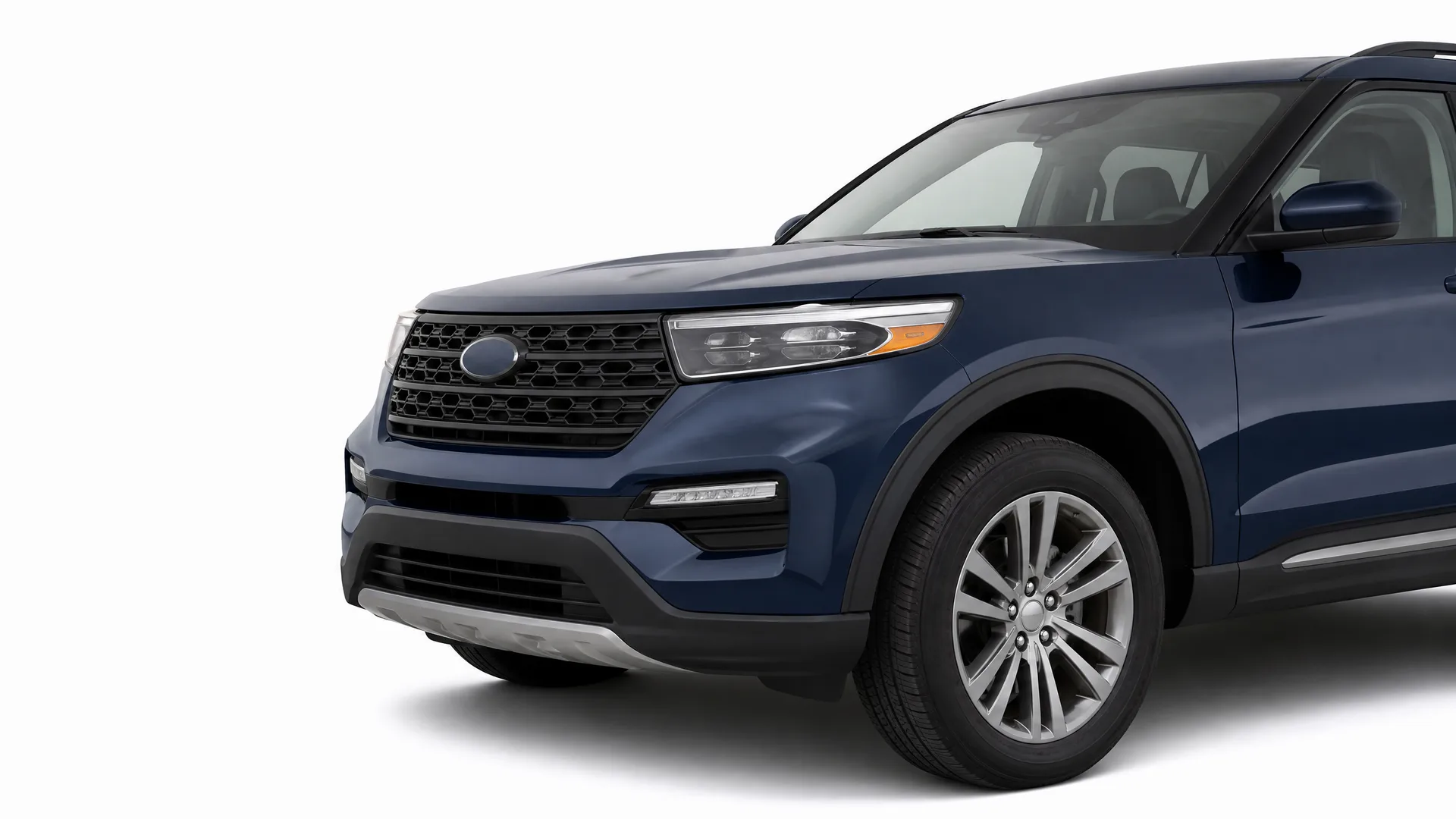
The real question isn't the car's age, it's whether its value still beats what coverage costs you yearly.