Does Full Coverage Pay for Repairs
Yes, full coverage pays for repairs to your own car after an accident, weather, or theft, once you pay your deductible.
Free to compare

A hailstorm dents the car a week after retirement
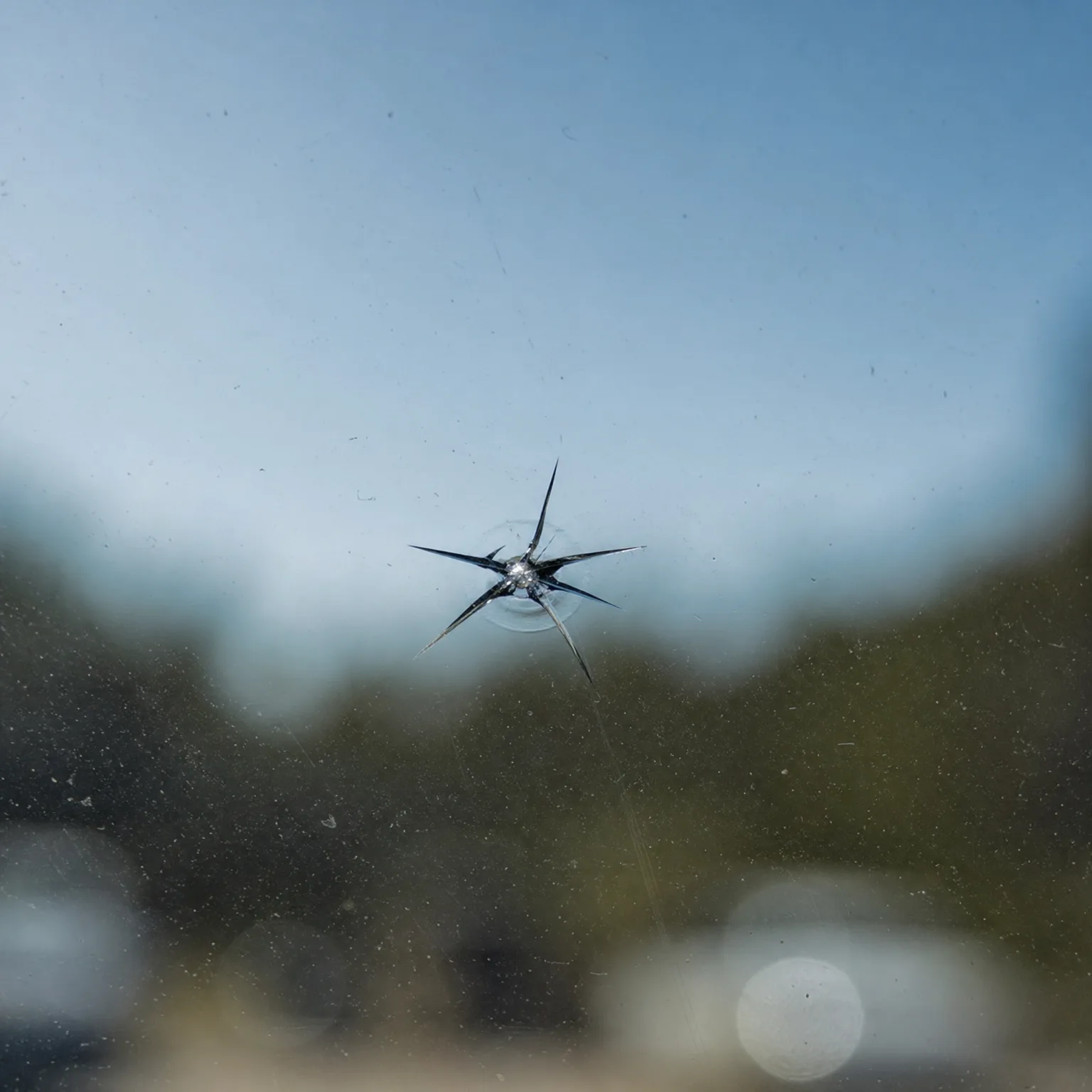
You park outside one afternoon and a hailstorm rolls through, leaving dents across the hood and roof. You call your insurer, and they walk you through filing a claim under the other-than-collision part of your coverage, sometimes called comprehensive. An adjuster looks at the car, or you send photos, and the estimate comes back higher than your deductible, so the claim moves forward.
You pay the deductible amount, and the insurer covers the rest of the repair bill directly to the shop. The car comes back looking new, and your rates don't jump the way they might after an at-fault crash, since hail isn't considered your fault. This is the moment full coverage is built for, paying out when something outside your control damages a car you still need for errands, visits, and road trips in retirement.
Is full coverage still worth the cost once you retire?
That depends on your car's value and how much cash cushion you have, not on your age by itself. If your car is worth a meaningful amount and a repair or replacement would strain your savings, keeping this coverage protects you from an expense you'd otherwise pay out of pocket.
If the car is older and worth very little, the math shifts. Insurers won't pay out more than the car's current value, so you could be paying for protection that's capped at a small amount. Compare what you pay for the coverage over a year against what the car would actually be worth in a claim, and let that number guide the decision rather than a general sense that retirees need less coverage.

Deciding whether to keep this coverage on an older car
If you do
You keep paying for protection on a car that may not need it, but you're covered if a tree falls on it, it's stolen, or someone hits you and you need your own car fixed. For a car you rely on daily, that protection can still be worth the cost even in retirement.
If you don't
You stop paying for that protection, which lowers your bill right away. But if the car is damaged or totaled, you cover the repair or replacement yourself, which only makes sense once you've checked what the car is actually worth and decided you could absorb that loss.
Now that you know what this pays for, compare quotes to see what keeping or dropping it would actually cost you.
Why this coverage pays out the way it does
Full coverage is really two coverages working together, collision and comprehensive, and each one answers a different kind of damage. Collision pays when your car hits another car or an object, like a guardrail or a parked vehicle. Comprehensive pays for damage from things other than a crash, like weather, animals, fire, vandalism, or theft. Together, people call this combination full coverage, though no policy actually promises to cover everything.
Both parts work the same basic way. You pay a deductible, an amount you chose when you bought the policy, and the insurer pays the repair cost above that amount, up to your car's actual value. That cap matters more than people expect. Insurers pay what the car is worth right before the damage, not what you paid for it or what a new one would cost, so an older car with a lot of miles may have a value lower than you assume.
What changes by state or insurer is how the payout gets calculated and what counts as a total loss. Some places have specific rules about how insurers must determine a car's value, and some insurers use different data sources or formulas to get there. If you're ever unsure whether a repair will be covered in full or treated as a total loss, ask your insurer directly how they calculate value in your state, since that number drives the whole decision.
The other piece worth understanding is that this coverage is optional, unlike the liability coverage required almost everywhere. If you have a loan or lease, the lender usually requires it. Once the car is paid off, you're the one deciding whether the protection is worth the cost, and that decision should rest on the car's value and your own finances, not on age or retirement status alone.

The decision isn't about your age, it's about what your car is worth and what you could afford to lose.
What's the difference between collision and comprehensive coverage?
Collision pays when your car hits another vehicle or object, while comprehensive pays for damage from causes other than a crash, like weather, fire, or theft. Both require a deductible and both cap payouts at your car's actual value. Check your policy declarations page to see which ones you currently carry, since you can have one without the other, and that changes what's actually covered if something happens.
How much should my deductible be as a retiree on a fixed income?
It depends on how much cash you can comfortably pay out of pocket if you file a claim tomorrow. A higher deductible lowers your monthly cost but means a bigger bill at claim time, while a lower deductible raises your monthly cost but softens that hit. Look at your savings cushion and pick the deductible amount you could pay without stress, then check that figure against your premium savings before changing it.
Will dropping full coverage lower my rate a lot?
It will lower your premium, since you're removing two coverages, but how much depends on your car, your location, and your driving history. Ask your insurer for a side by side quote with and without this coverage so you see the real difference in dollars rather than guessing. If the savings are small compared to what you'd owe for a repair, keeping the coverage may still make sense.