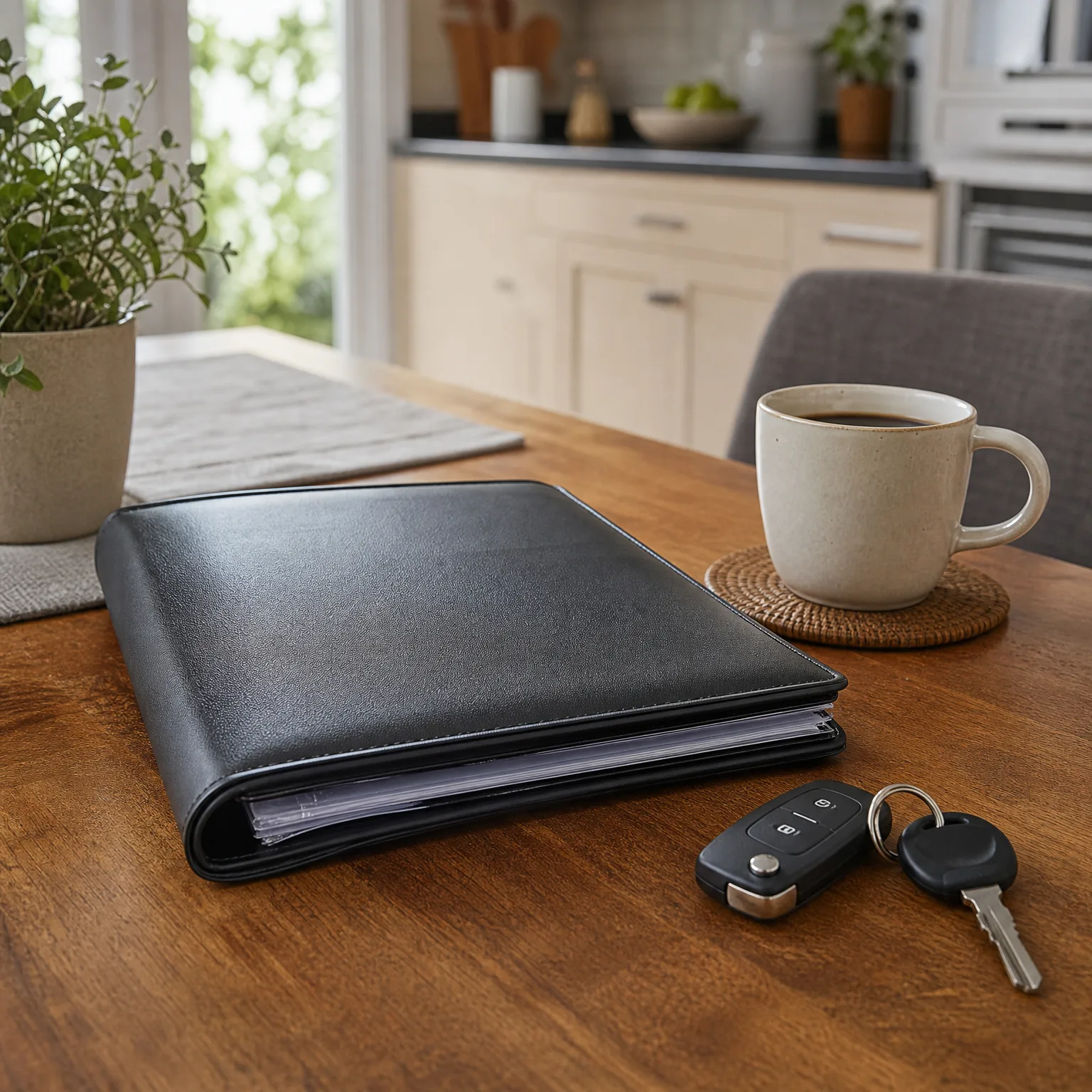
Does Removing a Lienholder Lower Car Insurance
Removing a lienholder doesn't cut your rate directly, but it finally lets you choose coverage that fits a paid-off car.
Free to compare
The lienholder never set your price, the coverage did
A lienholder on your policy is just a name on file so the lender gets paid if your car is totaled or stolen. Insurers price your policy based on your driving record, the car itself, where you live, and the coverage limits you carry. The lienholder's presence or absence doesn't factor into that math at all, so removing one doesn't trigger a rate change on its own.
What actually moves your rate is what you do once that lien is gone. While a loan exists, the lender requires you to carry comprehensive and collision coverage, often with low deductibles, because they have a financial stake in the car. Once you own it outright, that requirement disappears. You're free to raise your deductibles, drop collision entirely on an older car, or keep everything the same.
This is where the savings actually come from. If your car's value has dropped low enough, the cost of carrying comprehensive and collision may no longer make sense compared to what you'd collect in a claim. Dropping that coverage lowers your premium noticeably, but it's a coverage decision, not a lienholder decision. The paperwork change and the money change are two separate steps that happen to arrive together.
This works differently depending on the car and the owner. If you still owe money on a newer vehicle, removing a lienholder isn't an option yet. And if your car is still worth a meaningful amount, dropping physical damage coverage to save money can leave you exposed if something happens to it. Check your car's actual value before deciding, not just its age.

What to check once the lien is gone
- Confirm the removal Call your insurer to make sure the lienholder is actually off your policy. Lenders sometimes delay notifying insurers after payoff.
- Check your car's value Look up what your car is actually worth now. This tells you whether keeping comprehensive and collision still makes financial sense.
- Reconsider your deductibles Without a lender requiring low deductibles, you can raise them to lower your premium. Decide what you could comfortably pay out of pocket.
- Decide on collision coverage If the car's value is low, dropping collision may save more than keeping it protects you. Weigh the payout against the yearly cost.
- Compare before you finalize Any coverage change is a good moment to see what other insurers would charge for the same setup. Don't assume your current insurer is still the best price.

The savings come from the coverage choices you unlock, not from the lienholder's name disappearing.
Once you've decided what coverage your paid-off car actually needs, compare quotes to see who prices it best.

Do you drop comprehensive and collision after payoff
If you do
You stop paying for coverage that may cost more yearly than your car is worth in a claim. Your premium drops right away. If the car is totaled or stolen, you get nothing from your policy toward replacing it, so you're relying on savings or your next car fund.
If you don't
You keep protection against theft, weather damage, and at-fault accidents involving your own car. Your premium stays higher than it needs to be if the car's value is genuinely low. You're paying for peace of mind on a vehicle that may not be worth the premium anymore.
Paying off a ten year old sedan
A newly retired driver finishes paying off a sedan that's been reliable for years. The loan is closed, and a letter arrives confirming the lien is released. She calls her insurer to make sure the lienholder is removed from the policy, and it is, but her premium on the next bill looks almost identical to before.
She looks up what the car is actually worth now and finds it's worth very little, not nothing, but not much. She compares what she pays yearly for comprehensive and collision against that number and realizes she'd be better off dropping both and keeping liability coverage only. She calls her insurer to make the change and also gets a couple of outside quotes just to check the price on the reduced coverage. Her new premium is noticeably lower, and she keeps the difference each month instead of insuring a car for more than it could ever pay out.
Should I drop full coverage once my car is paid off?
Not automatically. The right move depends on what your car is actually worth today, not on the fact that the loan is gone. If your car's value has dropped low enough, carrying comprehensive and collision may cost you more over a year than you'd ever collect in a claim, and dropping it frees up real money.
But if your car still has solid value, or if you couldn't easily afford to replace it out of pocket, keeping full coverage still protects you against theft, weather, and accidents you cause. Look up your car's current value, compare it honestly against your yearly premium for that coverage, and decide from there. This is a math question about your specific car, not a rule that applies once a loan ends.