
How to Determine the Value of a Car for Insurance
Your car's insured value comes from recent sale prices of similar cars in your area, not what you paid or what you think it's worth.
Free to compare
Insurers price your car like the used market does, not like you do
When you carry coverage that pays out for damage or theft, the insurer is agreeing to replace what the car was actually worth right before the loss. They figure that number by pulling recent sale prices for the same year, make, model, mileage and condition in your region, then adjusting for your car's specific wear and options. It is a market estimate, built fresh at claim time, not a number fixed when you bought the policy.
This is why two identical-looking cars can have different values. Mileage, accident history, interior condition and even local demand all shift the number. A car in a region where that model sells well will value higher than the same car somewhere it doesn't. None of this is personal to you, it is just how the comparison pool behaves.
What varies is how insurers document and disclose this process. Some give you a worksheet showing the comparable sales they used, some give you a single number with little detail. Ask your insurer directly how they calculate value and whether you can see the comparison data if you ever disagree with a payout. That question matters more now that you are reviewing coverage with fresh eyes.
The one real exception is a car old enough or rare enough that there's no real resale market to compare against. In that case insurers often rely on agreed value, a number you and the insurer settle on in advance. If your car fits that category, ask specifically whether agreed value is available, because otherwise you default to the standard market method.

Checking the number before cutting coverage
Say you retired this year and you're deciding whether to drop collision coverage on your older sedan now that you're driving far less. Before deciding anything, you ask your insurer what they'd currently value the car at if you filed a claim tomorrow. They walk you through recent sales of similar cars in your area, adjusted for your mileage and condition, and give you a number.
That number turns out lower than you expected, mostly because of mileage from years of commuting. Seeing the real figure changes the math. The payout wouldn't cover much after a serious accident, so collision coverage would mostly be protecting a small amount of money. You decide to drop it and redirect that premium toward liability coverage instead, since that's the exposure that could actually hurt your retirement savings. Knowing the real number, instead of guessing, is what let you make that call with confidence.
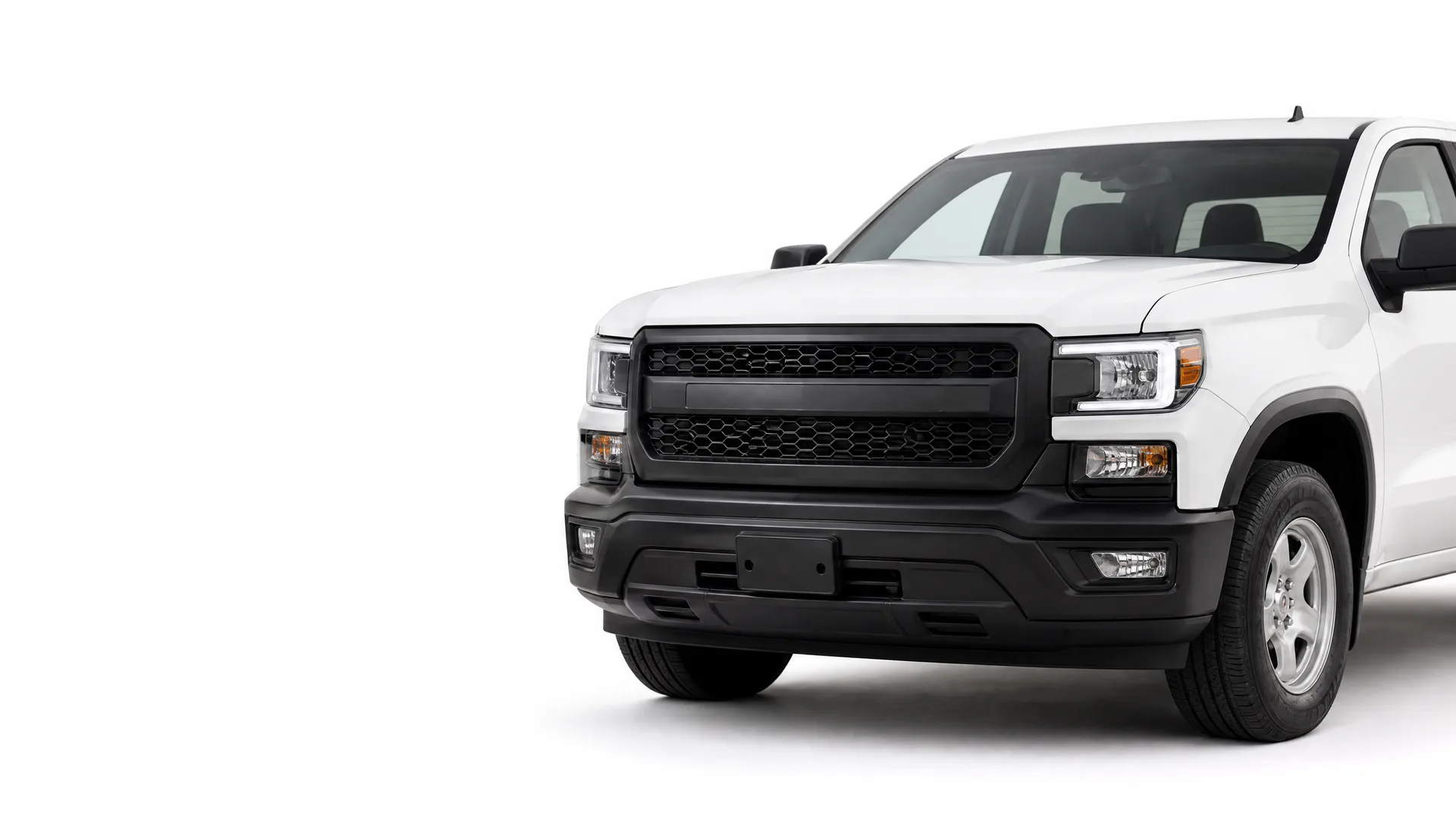
The number that matters is what your car would sell for today, not what you paid or what it's insured for.
Once you know what your car is actually worth, compare quotes to match your coverage to that real number.
What if I disagree with the value my insurer gives me?
You can challenge it, and you have a real basis to do so if you bring your own evidence. Gather recent sale listings for the same year, make, model, mileage and condition in your area, ideally several of them, and present that alongside the insurer's figure.
Ask the insurer to show you exactly which comparable sales they used and how they adjusted for your car's condition. Sometimes the gap comes from a mileage or condition detail that wasn't recorded correctly, and that's an easy fix. If the gap remains after that conversation, most states give you a formal appeal or dispute process through the insurer or a state insurance office, so ask what that process looks like before you accept a number that feels too low.

Whether you check your car's value before you change coverage
If you do
You know exactly what a payout would look like, so you can decide whether collision or comprehensive coverage still makes financial sense. You avoid both overpaying for coverage on a low-value car and underinsuring a car that's worth more than you assumed.
If you don't
You're guessing at what you'd actually get paid, which means you might drop coverage on a car worth more than you think, or keep paying for coverage that would barely pay out anything. Either way, the decision is made blind instead of with real numbers.
Does the insurer subtract for my car's condition or past repairs?
Yes, condition and repair history are part of the adjustment, not an afterthought. A car with worn interior, mechanical issues or a documented accident history values lower than a clean comparable example. Keep maintenance and repair records, since showing a car was well cared for can support a higher valuation if you ever dispute a number. Ask your insurer exactly which condition factors they weigh, since the categories and how heavily each counts can differ between insurers.
Should I get my own appraisal before switching insurers?
It's worth doing if your car is older, modified, or has low mileage for its age, since those are the cases where insurer estimates most often miss the mark. An independent appraisal gives you a documented number to compare against any quote you receive. For an ordinary car in typical condition, insurer estimates are usually close enough that a separate appraisal isn't necessary. Check whether a potential insurer accepts outside appraisals at all before you pay for one.
Does the value used for insurance match what I'd get in a trade-in?
Not usually, and the two numbers are built for different purposes. Trade-in value reflects what a dealer will offer knowing they'll resell the car, often discounted for their margin and convenience. Insurance value reflects a private-party market estimate, which tends to run higher than a trade-in offer. If you're comparing your insurer's number against something, use private sale listings rather than a dealer quote, since that's the closer comparison.