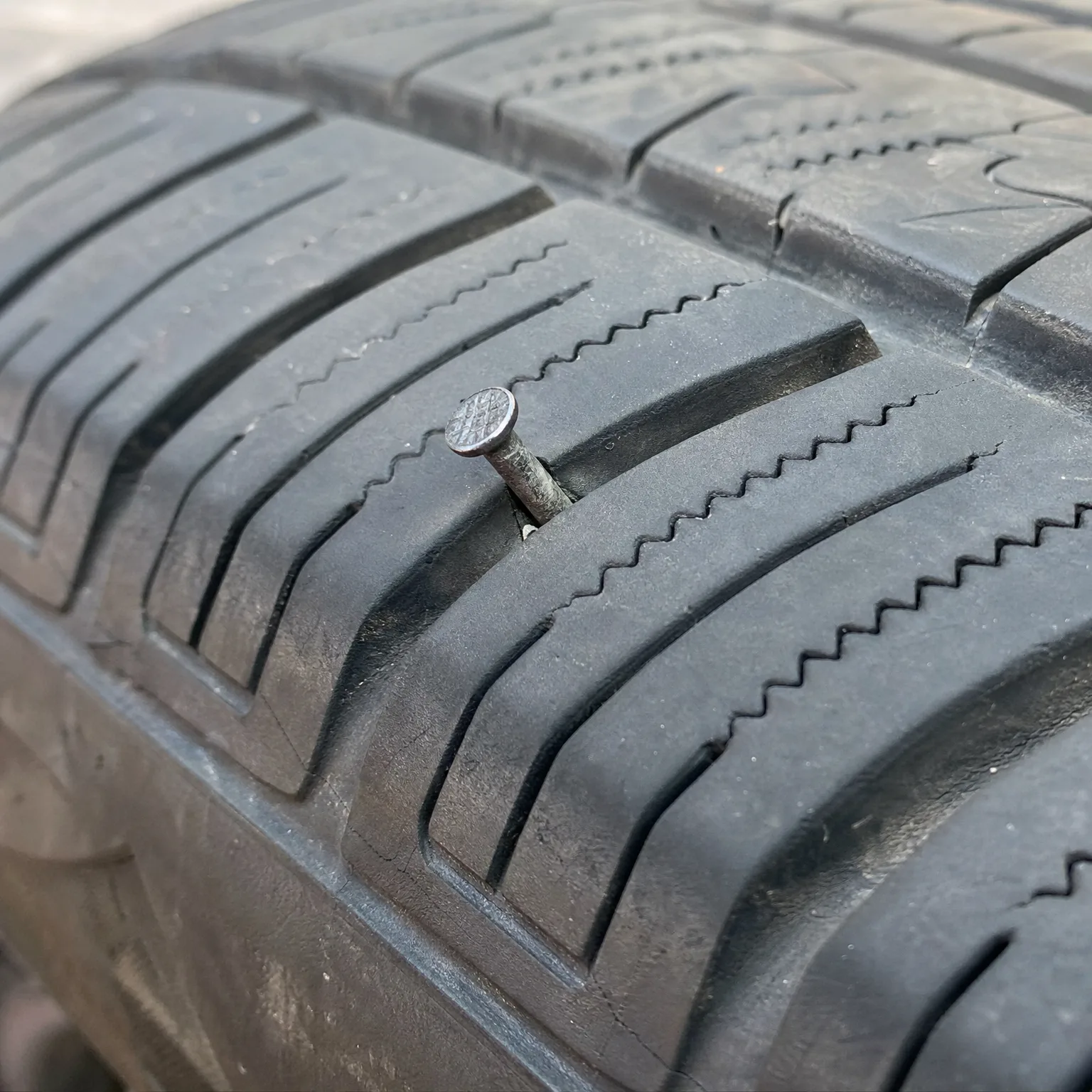
Is SLI the Same as CDW
No, SLI covers liability to others while CDW covers damage to the rental car itself, and most retirees need to check both separately.
Free to compare
They protect against two completely different losses
SLI stands for supplemental liability insurance. It steps in if you cause an accident in the rental car and someone else's car or body gets hurt, covering claims against you beyond what your personal policy pays. CDW, collision damage waiver, works the other way. It protects you against the cost of repairing or replacing the rental car itself if it's damaged or stolen, regardless of who caused it.
The confusion happens because rental counters often present both as add-ons in the same breath, sometimes bundled into a single price. That bundling makes them feel like one product, but the rental company is actually selling you two separate protections for two separate risks. One guards your assets from a lawsuit. The other guards you from a repair bill.
What you already own matters here. Your personal auto policy usually extends liability coverage to a rental car you're driving, which means SLI may be redundant if your liability limits are already solid. CDW is different because many personal policies don't cover rental cars for collision or comprehensive damage unless you specifically carry that coverage on your own vehicles, so dropping your car down to one vehicle or reducing coverage after retirement can quietly remove protection you used to have.
Credit cards complicate this further. Some offer rental collision protection as a card benefit, which can substitute for CDW, but they rarely offer liability protection, so SLI often isn't covered by a card at all. Check your card's terms and your policy's declarations page before you rent, not at the counter when you're tired and just want the keys.

The short version
SLI and CDW are not the same thing. SLI covers liability if you hurt someone else or damage their property, while CDW covers damage to the rental car itself. Check your personal policy's liability limits and whether it extends to rental cars, then check if your credit card already covers collision damage before buying either at the counter.

A retiree renting a car for a cross-country trip
A newly retired driver planned a month-long road trip and rented a car for three weeks of it. At the counter, the agent offered a bundled package covering both SLI and CDW, priced as one line item. Before saying yes, the driver pulled up their personal auto policy on their phone and saw their liability limits were well above what state minimums required, and confirmed with a quick call that the policy extended that liability coverage to rental vehicles.
That ruled out needing SLI. For CDW, the driver checked their credit card's benefits guide and found it did include rental collision coverage, but only if they declined the rental company's own CDW and paid with that card. They declined both add-ons at the counter, paid with the card, and kept a printed copy of the coverage terms in the glove compartment for the trip. The rental ended up costing less than quoted, and when a minor door ding happened in a parking lot, the card's benefit covered the repair without a claim ever touching the driver's personal policy.
Once you know what your policy and card cover, compare quotes to make sure your liability limits still hold up.

Check your coverage before you rent, not at the counter
If you do
You'll know exactly what you're protected for before you reach the counter, so you can decline redundant coverage with confidence. You avoid paying twice for liability protection you already carry, and you'll know whether your card's collision benefit requires declining the rental company's CDW to stay valid.
If you don't
You'll likely feel pressured to buy both add-ons just to be safe, even if your own policy or card already covers one or both. That can mean paying extra on every rental for years, money that adds up especially if you rent often while traveling in retirement.
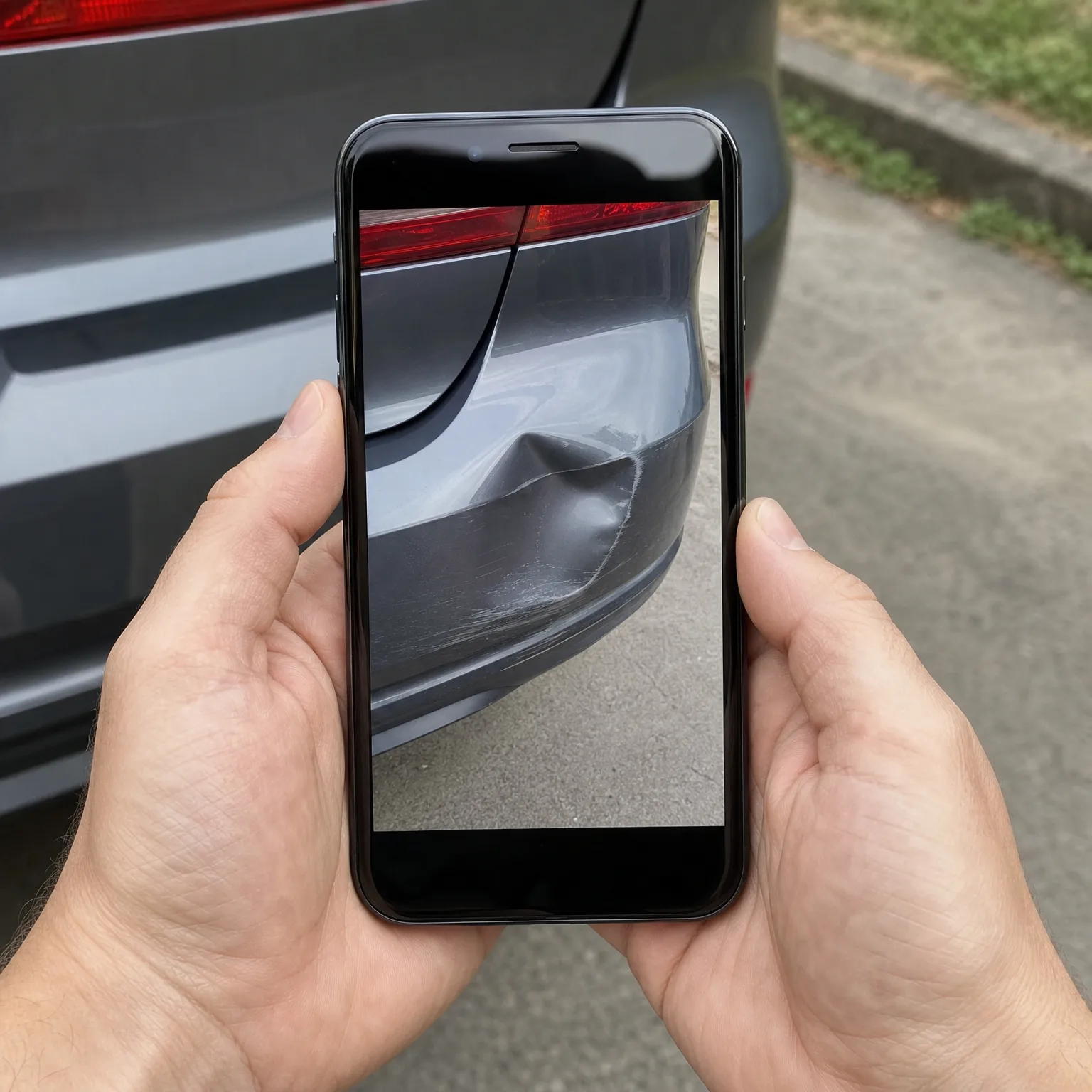
What to check before you decide on either coverage
- Your liability limits Look at your policy's declarations page to see your liability limits and whether they extend to rental cars. If they're solid, SLI is likely unnecessary.
- Your policy's rental car rules Confirm whether your personal policy covers collision or comprehensive damage on a rental car. Some policies only extend this if you carry that coverage on your own vehicles.
- Your card's rental benefit Check your card's benefits guide for rental collision coverage and its conditions. Many require you to decline the rental company's CDW for the benefit to apply.
- Your car count at home If you've gone from two cars to one, your coverage picture has changed. Re-check what extends to rentals now rather than assuming nothing shifted.
- How often you'll rent If retirement means more frequent rental car trips, the cost of either coverage adds up faster. Decide once, in writing, so you're not re-deciding at every counter.