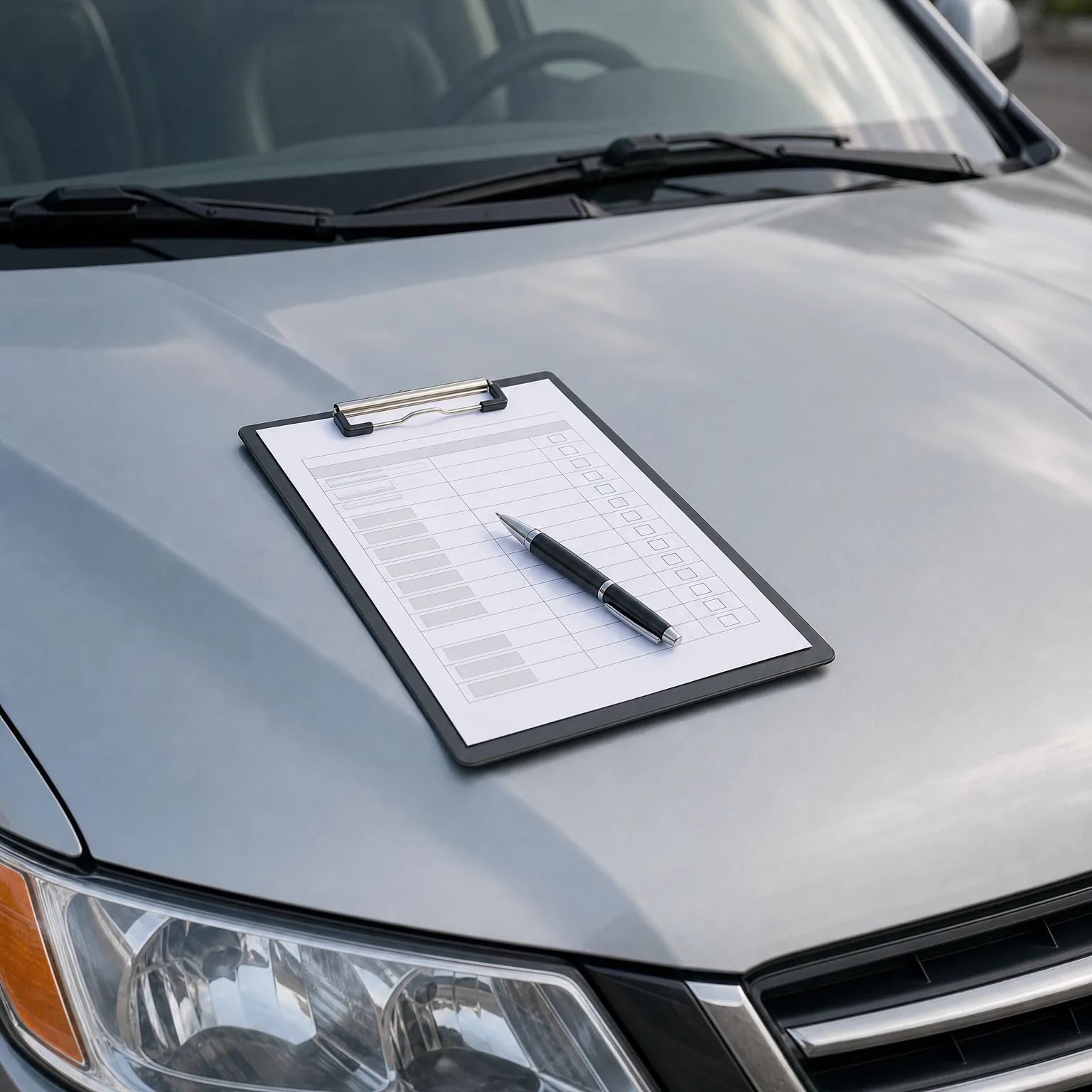
What Are the Consequences of Canceling My Car Insurance
Canceling without a plan can leave you with a coverage gap that follows you and raises what you pay later, even if you barely drive.
Free to compare
It comes down to how insurers read a gap in coverage
Insurers price risk partly by looking at your history, and an unbroken record of coverage tells them you're a stable, low-risk driver. When you cancel a policy and don't replace it right away, that continuous history breaks. The next time you apply for coverage, even months later, the insurer sees the gap and treats you as a higher risk, regardless of how carefully you drove during that time.
This matters even if you're not canceling to go without insurance at all. Say you're switching companies to get a better rate now that you're retired, or dropping down from two cars to one. If the timing isn't handled right, so the new policy starts before or exactly when the old one ends, you can still end up with a lapse on paper that shows up in your record later.
There's also the matter of what your state requires. Most places require some minimum coverage on any registered vehicle, and canceling insurance on a car you still own and register can trigger fines or a suspended registration, separate from anything your insurer does. If you're moving the car to storage or taking it off the road entirely, check with your state's motor vehicle agency about what paperwork that requires, because simply canceling the policy isn't usually enough to avoid a penalty.
Where this plays out differently is when you genuinely stop owning or operating a vehicle. If you sell the car and don't replace it, there's no ongoing risk for an insurer to price, so the usual penalties for a gap don't really apply the same way. The consequences are really about what happens when you still have a car, a registration, or a near-term plan to drive again.

The short version
Canceling without lining up replacement coverage creates a gap that insurers remember and price into future rates, and it can trigger state penalties if the car stays registered. Before you cancel anything, know the exact end date and have your next step ready, whether that's a new policy or proof you're no longer driving.
Will a coverage gap actually raise what I pay later?
Yes, in most cases it will, because insurers use your coverage history as one of the main signals for how risky you are to insure. A gap, especially one longer than a short window, tells them something changed, and they price that uncertainty into your premium even if your driving record is spotless.
How much it affects you depends on the insurer and how long the gap lasted. A short gap of a few days while you switch companies is usually treated very differently from one that stretches across months. If you know a gap is coming, the better move is to call ahead and ask the new insurer how they'll treat it, rather than finding out after the fact when your quote comes back higher than expected.
Once you know what canceling will and won't cost you, compare quotes to find coverage that fits how you live now.

Should you cancel now or wait until the new policy starts
If you do
If you cancel first and shop after, you may drive uninsured for a stretch, which is risky and can violate your state's requirements if the car stays registered. You'll also create a visible gap that future insurers factor into your rate, sometimes for longer than you'd expect.
If you don't
If you line up the new policy or proof of non-use first, you avoid any lapse entirely. You simply hand your new effective date to the old insurer and cancel on that exact day, keeping your coverage history clean and your registration valid the whole time.
Dropping to one car after retirement
A couple retires within the same year and decides to sell the second car since neither of them commutes anymore. They cancel that car's policy the same week they sell it, but they keep insuring the car they're keeping without any interruption. Because the canceled policy was tied to a car that no longer exists on their registration, there's no gap to worry about and no penalty from the state.
A few months later they consider dropping comprehensive coverage on the remaining car since they drive much less now. Instead of canceling that coverage outright, they call their insurer, ask about the reduced mileage, and get a revised policy with a lower premium that still protects the car. They end up with less coverage cost without ever creating a lapse, because the change was a modification to an existing policy rather than a cancellation and restart.
How long of a gap in car insurance is considered bad?
There's no universal number, since it depends on the insurer, but even a short gap can affect your rate, and a longer one tends to matter more. What counts as acceptable varies enough that it's worth asking any insurer you're considering exactly how they treat gaps before you let one happen. If you know a gap is unavoidable, ask whether proof of prior coverage elsewhere, like a policy in someone else's name on a shared car, can soften the impact.
Do I need to cancel my insurance if I put my car in storage?
Not necessarily, and many drivers keep a reduced policy instead of canceling entirely. Storing a car doesn't eliminate every risk, since theft, fire, or weather damage can still happen, so insurers often offer a stripped-down policy that covers those risks at a lower cost than full coverage. Check with your state about whether storing a vehicle still requires minimum insurance to keep the registration active, because that requirement varies.
Can I cancel insurance on a car I still own but never drive?
You can, but it depends on whether the car is still registered in your state. Many states require continuous insurance on any registered vehicle, parked or not, so canceling without also handling the registration can lead to fines or a suspension. If you truly don't plan to drive the car, look into your state's process for a non-operational or parked-car status, which often lets you drop insurance legally while keeping the registration dormant.