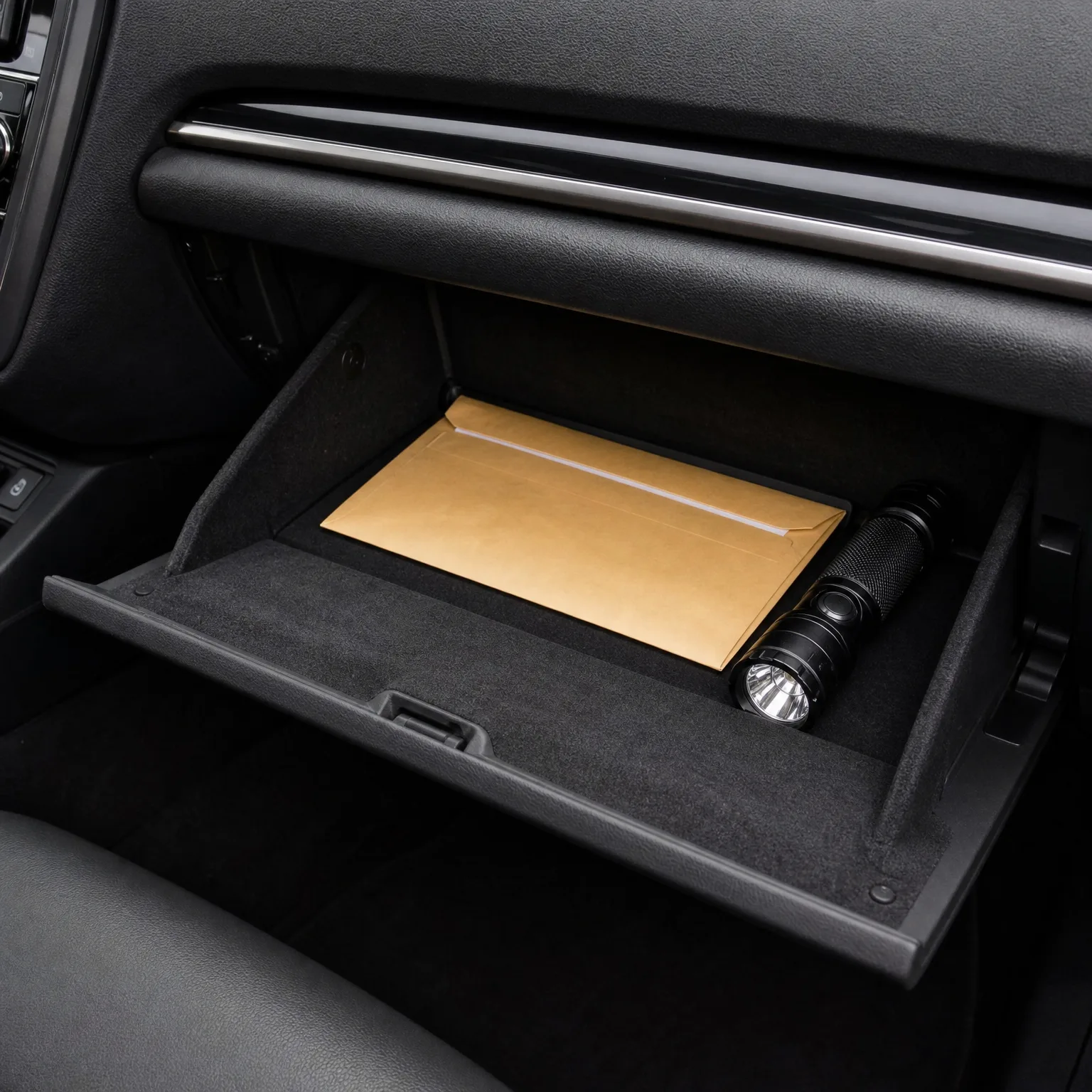
What Do I Need to Rent a Car
You need a valid license, a payment method the counter accepts, and proof of your own coverage if you want to skip theirs.
Free to compare
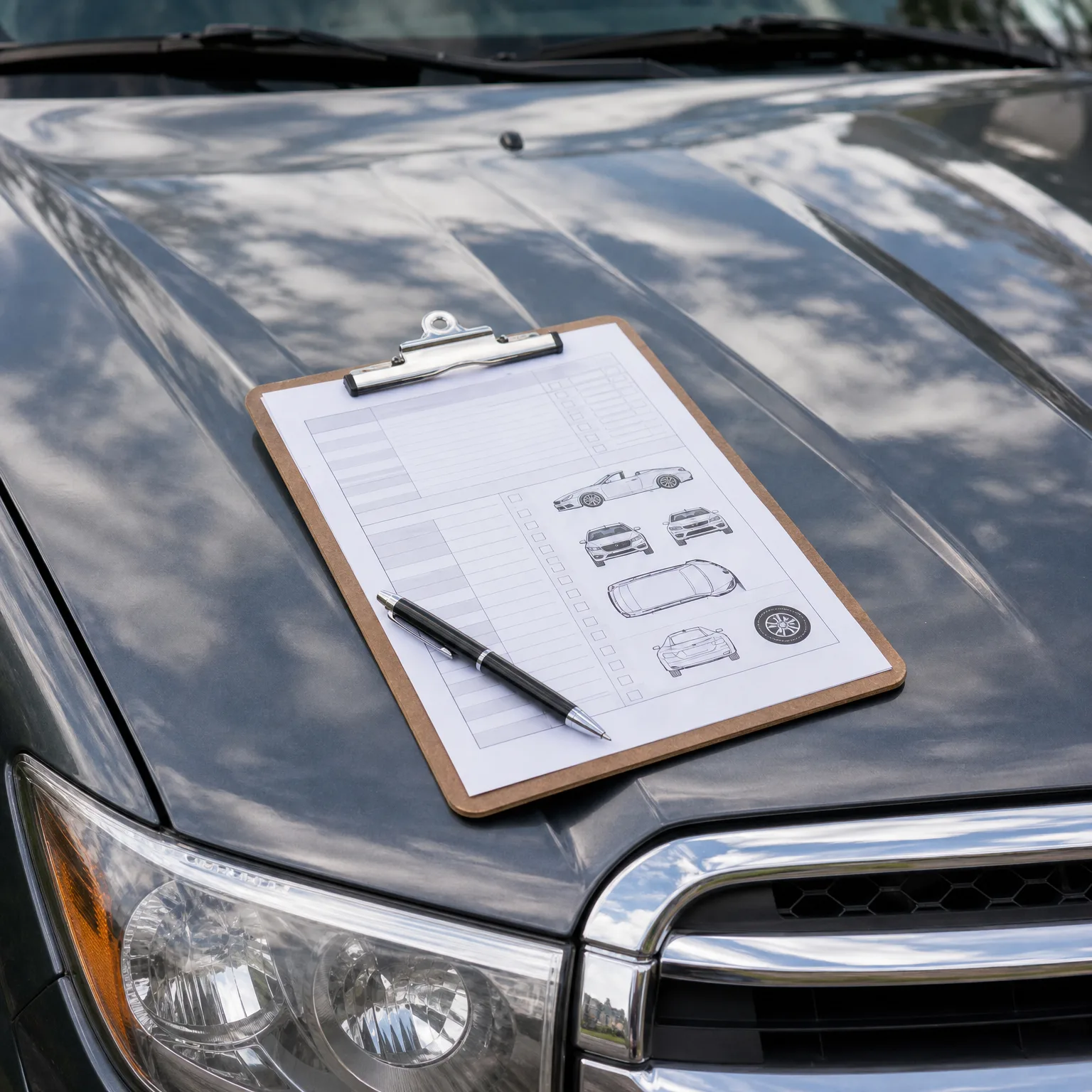
What the counter actually checks before handing you keys
- Valid driver's license Your license has to be current and not expired, including any recent renewal after retirement. Bring it even if you have a passport or other ID, since the counter is specifically checking your driving credential.
- A credit or debit card Most counters put a hold on a card to cover the deposit and any damage. Check with the specific company beforehand if you only carry a debit card, since some accept it and some don't, or require extra proof of address.
- Proof of your own coverage If you plan to decline the rental company's protection, bring your insurance ID card or a digital copy. This is what lets you say no to their coverage with confidence instead of guessing.
- Your age on file Retirement often lands right in the range where rental pricing stops penalizing you for being younger, but some companies still add a fee above a certain age. Ask when you book, not when you arrive.
- A second driver's documents If your spouse or travel companion will also drive, they need their own license at the counter, not just yours. Add them when you book so the paperwork is ready instead of a surprise fee at pickup.
Renting a car for a month-long trip to visit family
You retired in the spring and planned a long drive to visit your daughter two states away, renting a car instead of putting the miles on your own. At the counter, the agent offered the full protection package, walking through damage waivers and liability add-ons that would have roughly doubled the daily rate. You had already called your insurer the week before and confirmed your policy extends to rental cars for both liability and damage, so you declined the package and showed your insurance card when asked.
The agent didn't push further once you confirmed coverage, and the rental went through at the base rate. Partway through the trip, a shopping cart dinged the rear door in a parking lot, and you worried for a moment about the cost. Back home, you filed the claim through your own insurer the same way you would for your personal car, paid the deductible, and the rest was covered. The whole process took a few phone calls, and the only real cost was the deductible you'd already budgeted for, far less than the rental company's package would have charged for the whole month.

Should you call your insurer before you rent
If you do
You confirm exactly what your policy covers on a rental, including liability and damage, before you're standing at the counter under pressure to decide. You walk in knowing what to decline, save money on the spot, and avoid a rushed decision.
If you don't
You're left guessing at the counter, and most people default to buying the rental company's full protection out of caution. You may pay for coverage you already had, or worse, decline something you actually needed without knowing it.
Compare quotes now that you know what coverage already follows you into a rental car.
Why your own policy usually does the heavy lifting
Rental cars aren't legally different from any other car you might drive. If your policy covers you driving a borrowed or substitute vehicle, which most standard policies do, that protection typically extends to a rental car used for personal trips. The rental company's counter offer is a separate, optional product layered on top, not a replacement for something you lack.
What varies is how far that protection reaches. Liability coverage usually carries over cleanly, meaning if you cause an accident, your policy responds the same way it would in your own car. Physical damage coverage, the part that pays if the rental itself gets damaged, depends more on your specific policy and sometimes on the state you're in, so it's worth confirming rather than assuming.
Credit cards complicate this further, since some offer secondary rental coverage that only kicks in after your own insurance, and some offer primary coverage that pays first. Which one you have changes what you'd actually be on the hook for if something goes wrong, so it's worth checking your card's terms once rather than relying on memory from years ago.
Where people get caught is assuming retirement changed something about this. It doesn't. What changes is worth checking is whether you dropped collision or comprehensive from your own car after retiring to save money, since that decision directly affects what follows you into a rental. If you dropped that coverage, the rental company's damage protection may actually be filling a real gap, not a redundant one.

Do I need a credit card to rent a car or will debit work?
Debit often works, but check with the specific company first since policies vary widely. Some require a debit card holder to show proof of return travel or a utility bill, run a harder credit check, or decline a deposit hold entirely in favor of cash. If you only carry debit, call ahead rather than assuming it'll be fine at the counter.
Is there an age limit for renting a car after retirement?
Usually not a hard limit, but some companies add a surcharge above a certain age, similar to how they once charged younger renters more. This varies by company and sometimes by location, so ask when you book rather than at pickup. If a surcharge applies, it's often listed in the fine print of the rate you're quoted.
What happens if I decline the rental company's insurance and get in an accident?
Your own auto policy responds first if it covers rental cars, the same way it would for an accident in your personal car, and you'd pay your usual deductible. This only works if you confirmed beforehand that your policy actually extends to rentals, which is why that call matters more than the moment at the counter.