What Does Comprehensive Insurance Cover
Comprehensive covers damage to your own car from anything other than a collision, like theft, fire, weather, or hitting an animal.
Free to compare
Why comprehensive is priced and treated differently
Comprehensive exists to cover the random things that happen to a parked or stationary car as much as a moving one. A tree limb falls on it, someone breaks a window, a hailstorm passes through, a deer runs into the road. None of that involves another driver, so it sits in its own category separate from collision coverage, which only pays when your car hits something or something hits you while you're driving.
Insurers price it based on what your specific car is worth and how likely it is to be stolen, vandalized, or damaged by weather in your area. That's why two people with identical driving records can pay very different amounts for the same coverage. A car garaged in a region with frequent hailstorms or high theft rates costs more to insure this way than the same car parked in a quiet suburb.
What comprehensive does not cover is just as important. It won't pay for damage from an accident you caused, for wear and tear, for mechanical breakdown, or for anything that happens inside the car like a stolen wallet. Those fall under other coverages or under no coverage at all. If you're not sure what category a type of damage falls into, your agent can tell you before you need to file a claim, not after.
Whether comprehensive makes sense for you now depends on what the car is worth and what you'd do if it were totaled. If you could easily replace it with savings, dropping comprehensive and pocketing the premium might work. If losing the car would be a real financial hit, keeping it is the safer move. Check your policy's actual cash value calculation, since that's what you'd be paid, not what you think the car is worth.
Should I drop comprehensive now that I'm retired and driving less?
Driving less doesn't reduce the risk comprehensive protects against. A parked car can still be stolen, vandalized, or damaged by a storm, so fewer miles don't make this coverage less necessary. What matters more is the car's value and whether you could absorb the cost of replacing it without that payout.
If your car is older and worth relatively little, the premium might not be worth it compared to what you'd actually collect in a claim. If it's newer or worth more, dropping it to save a modest amount each month could leave you exposed to a much bigger loss. Ask your insurer what your car's current value is and compare that to what you're paying before deciding.
Compare quotes now that you know exactly what comprehensive covers and whether it still fits your car and your budget.
What comprehensive actually pays for
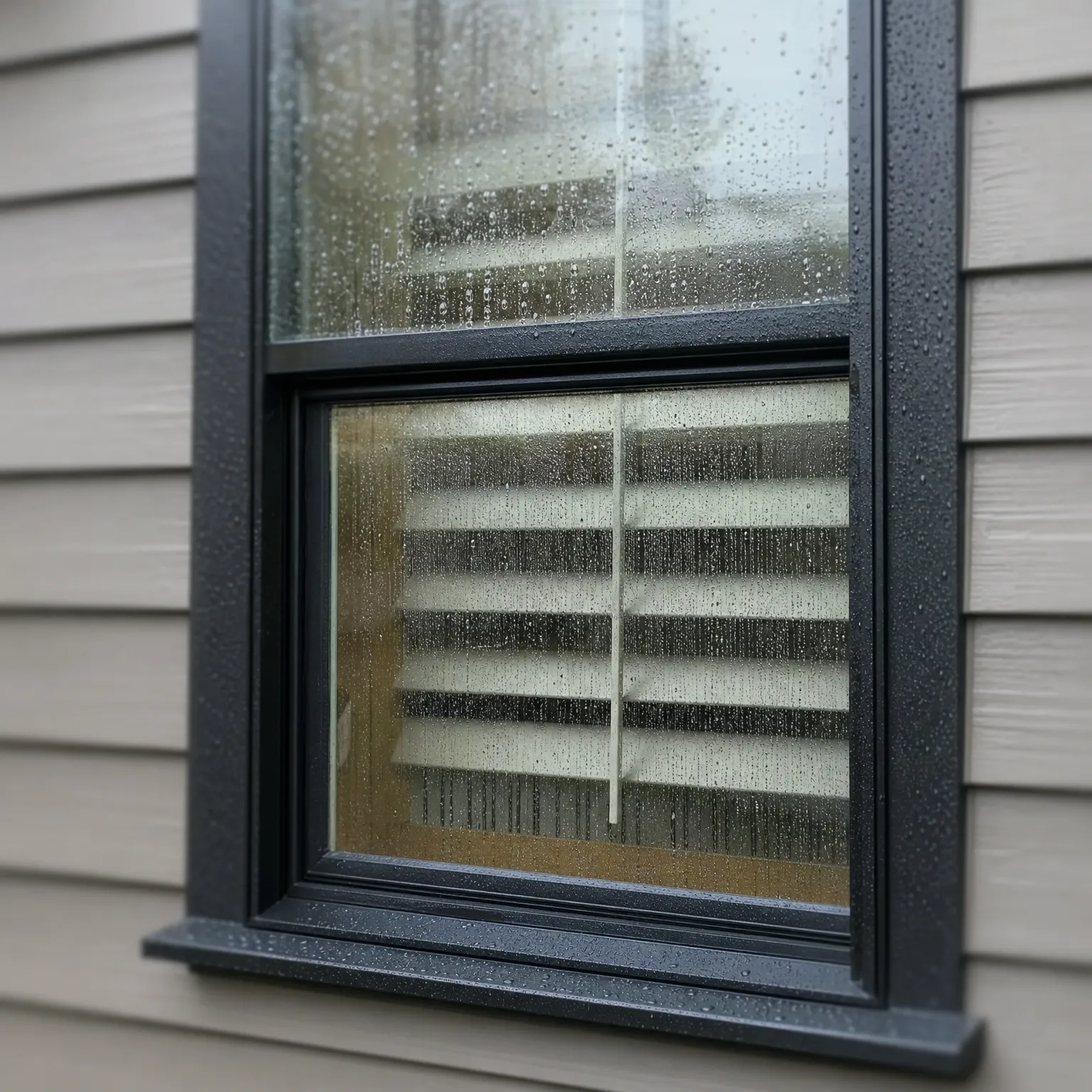
- Weather damage Hail, flooding, wind, and falling tree limbs are covered. Check your policy for how it handles total loss from weather events, since thresholds can vary.
- Theft and vandalism A stolen car or one that's broken into and damaged is covered. Keep a record of any aftermarket additions, since those may need separate coverage to be fully reimbursed.
- Animal collisions Hitting a deer or other animal falls under comprehensive, not collision. This surprises a lot of people, so don't assume you need collision coverage just for this risk.
- Fire and glass damage Fire damage and a cracked or shattered windshield are both covered. Ask your insurer if glass repair has a separate, lower cost to you than other claims.
- What it won't pay for Mechanical failure, wear and tear, and damage from an accident you caused are excluded. Know this before you file a claim so you're not caught off guard by a denial.

A retiree weighing comprehensive on a ten-year-old car
A reader in this situation had a car worth a modest amount, parked outside overnight in a neighborhood with occasional break-ins. She was paying a noticeable amount each month for comprehensive and collision together, and after retiring she wanted to trim the budget. She called her insurer and asked what the car's actual cash value was, since that number determines what she'd be paid if it were stolen or totaled.
The value came back lower than she expected, closer to what she'd pay in a year or two of premiums for comprehensive alone. She decided to drop comprehensive but kept liability coverage in place, reasoning that she could cover the cost of replacing the car herself if something happened. She also moved it to covered parking when possible, which lowered her risk even further. A year later nothing happened to the car, and she felt the decision had freed up money for things she valued more.
Does comprehensive cover a cracked windshield or just a shattered one?
Comprehensive generally covers both a crack and a full shatter, since glass damage from road debris or other causes falls under this coverage. Many insurers offer glass repair with little or no cost to you beyond your deductible, sometimes even waiving it entirely for repairs instead of replacement. Check your policy's specific glass provision, since this is one area where insurers differ quite a bit. If your windshield is cracked often due to where you drive, ask about this coverage specifically.
What's the difference between comprehensive and collision coverage?
Comprehensive covers damage to your car from anything other than a collision with another vehicle or object, while collision covers exactly that, a crash. If you hit a parked car or a guardrail, that's collision. If a storm damages your car or it's stolen, that's comprehensive. Many insurers only sell them together, not separately, so check whether you can drop one without the other. Your car's value and your own risk tolerance should guide which one matters more to you.
Will my comprehensive premium go down if I drive fewer miles after retiring?
It might, since some insurers factor annual mileage into comprehensive pricing, though less than they do for collision or liability. Comprehensive risk comes more from where the car is parked and regional theft or weather patterns than from how much you drive. Call your insurer and ask specifically if updating your mileage estimate changes this part of your premium. If it doesn't move much, your savings will likely come from other parts of the policy instead.