Can You Have Collision Coverage Without Comprehensive
Yes, you can drop comprehensive and keep collision, and plenty of retirees do exactly that.
Free to compare
What matters when you split these two coverages
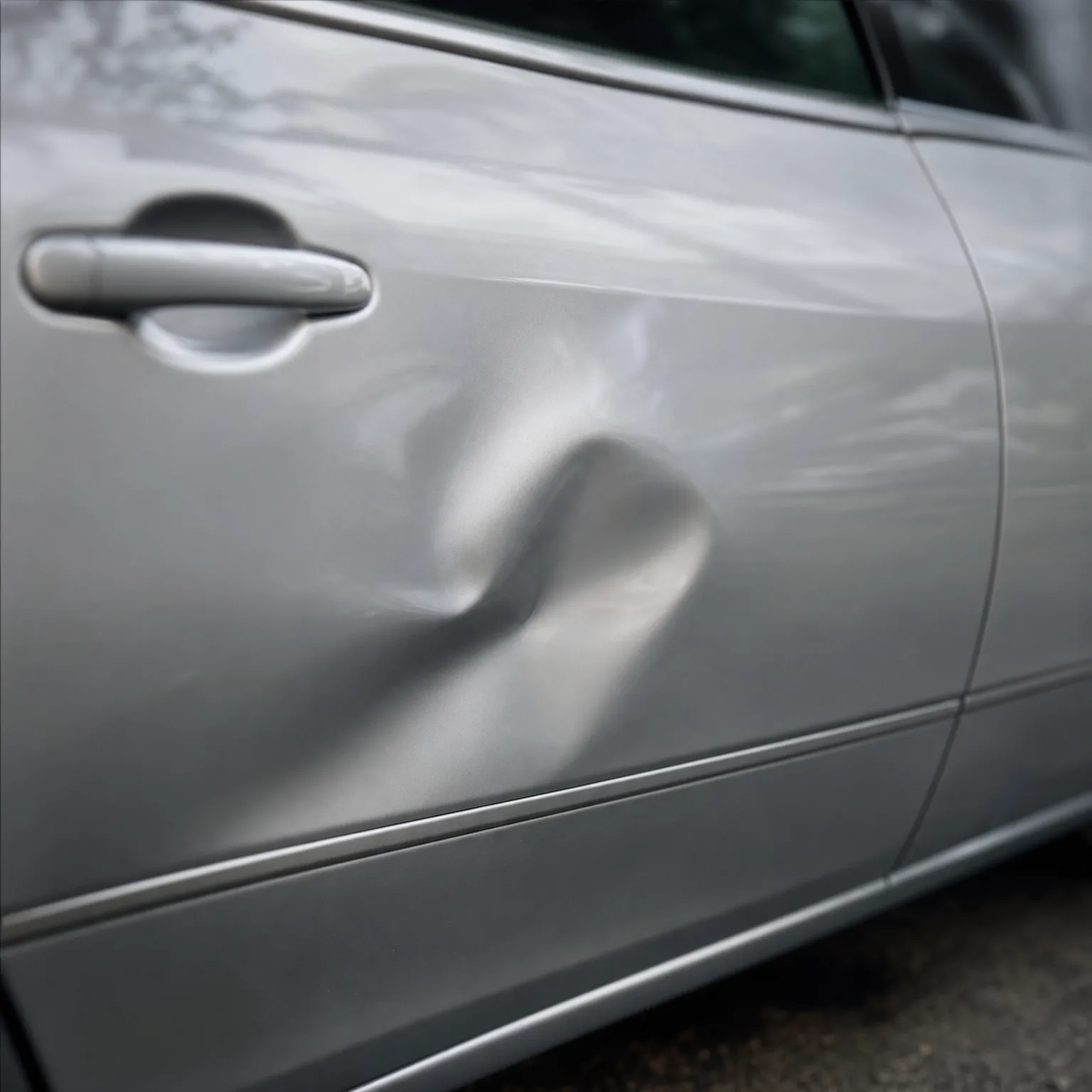
- They protect different things Collision pays for crash damage to your car. Comprehensive pays for theft, weather, animals, and fire. You can choose either one on its own, since insurers don't require you to buy them as a pair.
- A loan or lease changes the rule If you still owe money on the car, your lender almost certainly requires both. If the car is paid off, which it may be by now, you get to decide for yourself.
- Car value drives the math Collision alone makes sense when your car is worth enough to be worth fixing after a crash. Check what your car is actually worth now, not what you paid for it years ago.
- Your driving habits still matter If you're driving fewer miles in retirement, your crash risk drops but your theft and weather risk doesn't change much. Think about where you park and how often, not just how far you drive.
- You can always change your mind Dropping comprehensive now doesn't lock you out of adding it back later. Review the choice again if you move, change cars, or start parking somewhere less secure.
A retiree who kept collision and dropped comprehensive
A reader in his mid-60s had just retired and sold his second car, keeping a ten-year-old sedan paid off years earlier. He drove it mainly for errands and visits to family, maybe a third of the miles he used to put on it commuting. He called his insurer to ask what he could trim now that the car sat in a locked garage most days and rarely saw a parking lot.
He checked what the car was worth and found it was still worth several thousand dollars, enough that a collision claim would matter to him. But he'd never had a theft or weather claim in decades of owning cars, and the garage made that risk feel small to him. He dropped comprehensive, kept collision, and lowered his premium right away. A year later a storm knocked a branch onto a neighbor's car, not his, and he decided the choice still felt right for his situation and didn't change it.
Compare quotes now that you know exactly which coverage you want to keep and which you're ready to drop.
Will dropping comprehensive actually save much money?
It usually saves something, but how much depends on where you live and what you drive. Comprehensive tends to cost less than collision to begin with, since it covers less likely events like theft or storm damage rather than the almost-certain cost of a crash claim. Dropping it removes a smaller slice of your premium than dropping collision would.
The savings are more meaningful if you live somewhere with real theft or weather risk, since insurers price comprehensive higher in those areas. If your car sits in a secure garage in a low-risk area, the premium for comprehensive was probably already modest, so cutting it won't transform your bill. Ask your insurer for the exact premium breakdown between collision and comprehensive before deciding, since that number tells you more than any general rule.
Why insurers let you split these two coverages apart
Collision and comprehensive are priced and filed as separate coverages because they protect against different kinds of loss. Collision responds to crashes, which are events you can influence through how and when you drive. Comprehensive responds to things outside your control entirely, like a hailstorm or a stolen catalytic converter. Insurers don't need to bundle them because the risks behind them don't move together.
Lenders bundle them anyway when you finance or lease a car, because the lender cares about protecting its asset from any kind of loss, not just crashes. Once the loan is paid off, that requirement disappears, and the choice reverts to you alone.
What shifts the right choice is the value of your car and where it spends most of its time. A low-value car often isn't worth paying comprehensive premiums on, since the payout if something happens may barely cover the deductible. A car that's rarely driven but sits outside overnight carries real exposure to weather and theft even if it never gets into an accident, which is the case where dropping comprehensive can backfire.
State rules rarely dictate this choice directly, since most states don't mandate either coverage, only liability. But check your state's requirements and your lender's terms before assuming you're free to drop anything, since both can override your preference.
What happens if my car gets stolen and I don't have comprehensive?
You get nothing from your insurer toward replacing the car. Comprehensive is the only coverage that pays for theft, so without it you're relying entirely on savings or another source of funds. If theft is a real concern where you live or park, that risk alone may justify keeping comprehensive even on an older car.
Does collision cover a deer or animal strike?
No, animal strikes fall under comprehensive, not collision, even though they involve your car hitting something. This trips people up because it feels like a crash. If you drive in an area with deer or livestock on the roads, that's a reason to think twice before dropping comprehensive.
Is it cheaper to just drop both coverages instead of one?
It's cheaper upfront, but it means paying out of pocket for any damage to your own car, from any cause. That only makes sense if your car's value is low enough that you'd rather self-insure entirely. Check your car's actual value before deciding, since many drivers underestimate what repairs would actually cost.