Is It a Good Idea to Drop Collision Insurance
Dropping collision makes sense once your car's value is low enough that the payout wouldn't matter much if you had to replace it.
Free to compare
A retiree with a paid-off car checks the math
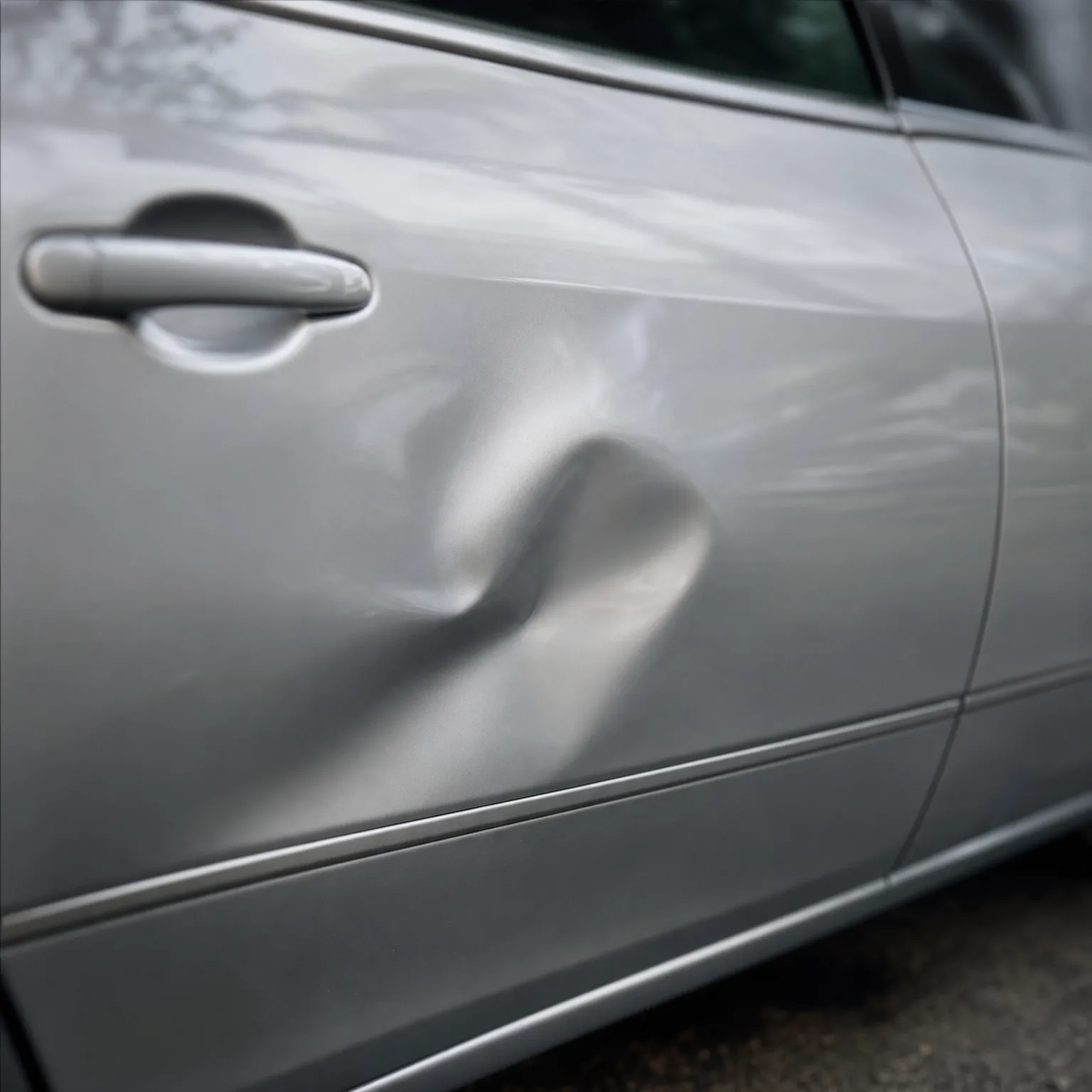
A reader who had recently retired had an older sedan, paid off, that she drove mostly for errands and visits to her grandkids a few towns over. She was paying a noticeable amount every six months for full coverage and started wondering if collision was worth it. She called her insurer and asked what the car was actually worth now, then looked up what collision and comprehensive were costing her separately within that premium.
The car's value turned out to be low enough that even a full payout wouldn't have covered much beyond a decent used replacement. She decided to drop collision but kept comprehensive, since that part protected against theft and weather damage for very little cost. She took the savings and put it toward a roadside assistance plan instead, since her bigger worry was being stranded, not totaling the car. Some time later she replaced the car anyway, for reasons unrelated to insurance, and felt fine about the choice she'd made.
What happens if I total my car after dropping collision?
You pay for a replacement car yourself, in full. There's no payout coming from your insurer for the damage to your own vehicle, though liability coverage still pays for damage you cause to someone else's car or property.
This is the real tradeoff and it's worth sitting with before you decide. If you have enough savings set aside that replacing your car wouldn't strain your budget, the risk is manageable. If replacing it would mean dipping into money you're counting on for other things in retirement, that's a sign the premium is still buying you something real, even on an older car.

Now that you know what your car's value justifies, compare quotes to see what dropping collision saves.

Deciding whether to drop collision coverage
If you do
You stop paying for collision and your premium drops right away. If you crash and your car is damaged or totaled, you cover repair or replacement costs yourself. This works out well if your car is worth little and you have savings to replace it without strain.
If you don't
You keep paying for collision but stay protected if you crash, regardless of whose fault it was. The insurer pays out up to your car's value minus your deductible. This matters most if your car still has real value or if replacing it quickly would be hard for you financially.
Why it comes down to your car's value versus your premium
Collision coverage pays to repair or replace your own car after a crash, regardless of who caused it. Insurers price it based partly on what your car is worth, since that caps what they'd ever have to pay you. As a car ages, that cap drops, but the cost of labor and parts to fix it doesn't drop the same way, so at some point the coverage can cost a meaningful share of what the car is even worth.
That's the core trade people are weighing when they ask this question. You're comparing a steady, predictable cost against a payout that only matters if you crash and only up to your car's current value. For a car worth very little, the math tips toward dropping it, since the most you could ever recover is small. For a car that still holds real value, the math usually tips the other way.
What changes the answer is your own financial cushion. Someone with enough savings to replace a car outright, without disrupting their budget, can afford to self-insure that risk and drop collision earlier than someone who'd need to finance a replacement. Retirement often does shift this calculation, since income is more fixed and some people have more savings sitting ready than they did while working.
This is also one of the areas where rules vary. If your car is financed or leased, your lender may require you to carry collision regardless of its value, so check your loan or lease terms before making any change. And always ask your insurer directly what your car's current value is and what collision is actually costing you within your premium, since that's the only way to know if the trade makes sense for you specifically.
Should I drop comprehensive too if I drop collision?
Not necessarily, and most people shouldn't. Comprehensive covers theft, weather, animal strikes and other damage that isn't a crash, and it's usually much cheaper than collision since the risks it covers are less frequent. Check what comprehensive costs you separately within your premium. If it's a small amount, it's often worth keeping even on an older car, since the protection is cheap relative to the risk it removes.
How do I find out what my car is currently worth?
Ask your insurer directly, since that's the value they'd use to calculate any payout. You can also check listings for similar cars of the same year, mileage and condition in your area to get a sense of market value. If the number feels low compared to what you're paying for collision, that's the signal worth paying attention to when deciding whether to drop it.
Will dropping collision lower my rate by much?
It depends on your car, your driving record and your insurer, so there's no universal answer. Ask your insurer to show you the premium broken out by coverage type before you decide, so you can see exactly what collision is costing you. That number, compared against your car's value, is what actually tells you whether dropping it is worth it for you.