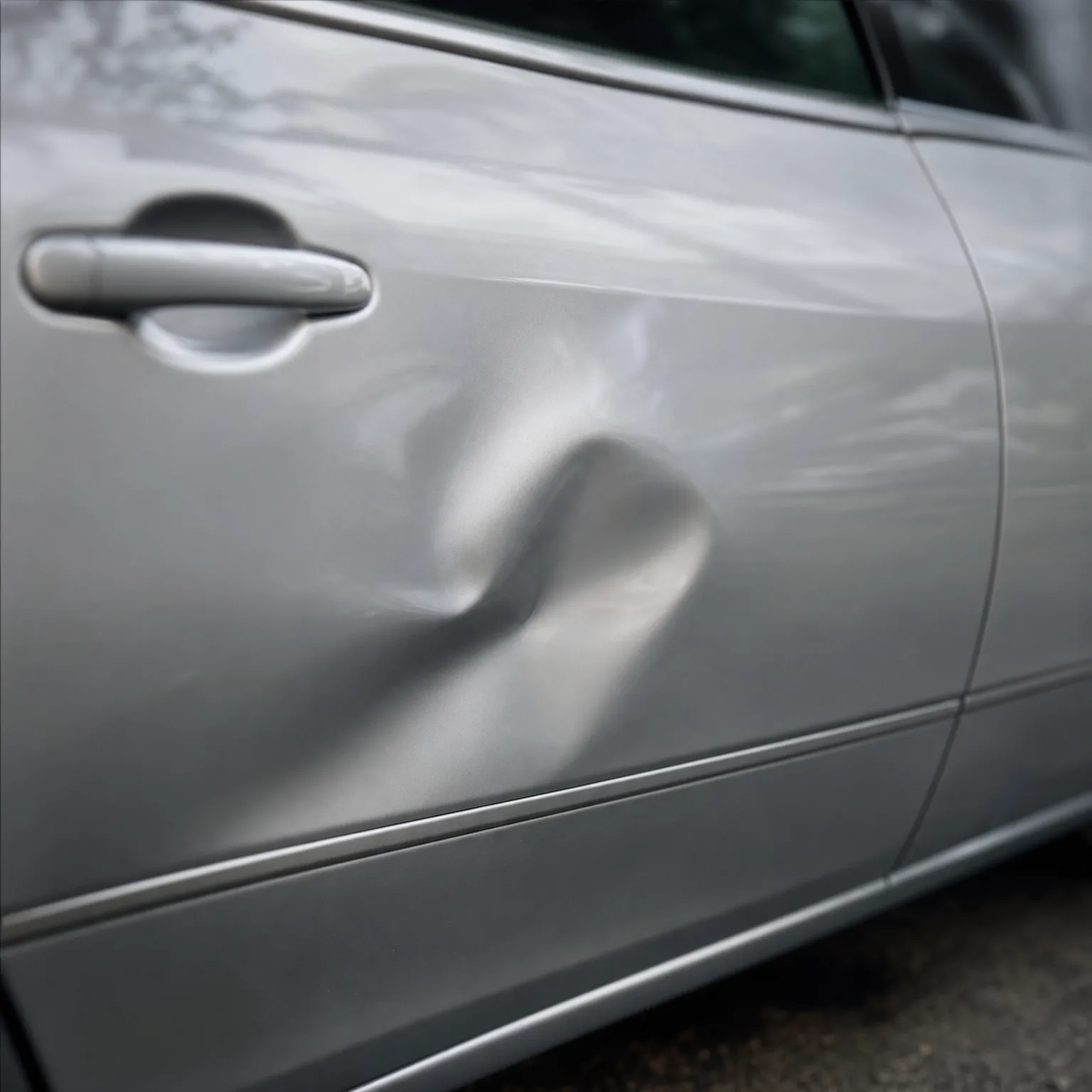
When to Drop Collision Insurance
Drop collision once your car's value is low enough that a payout wouldn't matter, and you're done paying off the car.
Free to compare
A retired couple dropping one car's coverage
A reader we'll call Tom retired recently and went from two cars to one, keeping an older sedan for errands and parking the newer car most of the week. The sedan was paid off and worth little on paper. He called his agent to ask what collision was actually costing him on that car each year compared to what he'd get back if it were totaled.
The number was close enough that dropping it made sense. He kept liability in place since that's required and protects him if he causes damage to someone else, but he dropped collision and comprehensive on the sedan. He kept both coverages on the newer car because its value was still high enough that repair costs after an accident would hurt. He saved the difference and put it toward a travel fund he'd been building since retiring.
What happens if I drop collision and then get into an accident?
You pay for repairs yourself, in full, or you replace the car yourself if it's totaled. The insurer owes you nothing for damage to your own vehicle because collision is the part of your policy that covers that. Liability coverage still protects you if you damage someone else's car or property, so you're not driving uninsured in the legal sense.
The real risk is a repair bill you weren't planning for. If your car is older and worth little, that bill is probably manageable and close to what you'd have received from a claim anyway. If your car is newer or worth more, dropping collision means a bigger number is suddenly yours to cover alone, so weigh that against what you're saving on premiums.

Should you drop collision on this car
If you do
You stop paying for collision and comprehensive on that car right away, lowering your bill. If you're in an accident, you cover repairs or replacement yourself. This makes sense once the car's value is low enough that a payout wouldn't have been much anyway, and once any loan on it is paid off.
If you don't
You keep paying for coverage that repays you if the car is damaged or totaled, no matter its age. If the car still has value or you're still making loan payments, this protects your savings from a large repair bill. You keep the option to file a claim instead of paying out of pocket.
Once you know which cars still need collision coverage, compare quotes to see what it actually costs with each insurer.
What decides whether collision is still worth it
- The car's current value Look up what your car is actually worth now, not what you paid. If a payout would be small, collision coverage is doing less for you than it used to.
- Whether you still owe on it Lenders usually require collision and comprehensive until the loan is paid off. Once the car is fully yours, that requirement disappears and the choice is yours alone.
- How much you'd pay out of pocket Add up what collision costs you per year and compare it to what you'd get back after a deductible if the car were totaled. If the math is close, dropping it may not cost you much in a bad year.
- How much you're driving now Retirement often means fewer miles, which can lower your risk and your premium either way. Tell your insurer about the change since it may qualify you for a lower rate even if you keep the coverage.
- What you could absorb in savings Think about whether a sudden repair or replacement bill would strain your retirement savings. If it would, keeping collision protects more than just the car.

Does dropping collision also mean dropping comprehensive?
No, they're separate coverages and you can drop one without the other. Comprehensive covers things like theft, weather, or hitting an animal, while collision covers crashes with another vehicle or object. Some retirees keep comprehensive since it's often cheaper and covers events they can't control, while dropping collision because crash repair costs are what they're comfortable self-funding. Check your policy to see what each one actually costs you separately before deciding.
Will my rates go up if I only have liability coverage?
No, dropping collision and comprehensive lowers your premium since you're carrying less coverage, not more. Liability alone is usually the cheapest option available, though it's also the minimum required almost everywhere. The tradeoff isn't a rate increase, it's that you'd have nothing to cover damage to your own car. Check your state's minimum liability requirements since those still apply no matter what you drop.
Can I add collision back later if I change my mind?
Yes, you can usually add it back at your next renewal or anytime by calling your insurer. There's typically no penalty for re-adding it, though your rate will reflect your car's current value and your driving record at that time. This makes dropping it a reversible decision rather than a permanent one. Check with your insurer about any gap in coverage rules if you plan to go without it for a while first.