
When Should I Switch from Full Coverage to Liability
Switch when your car's value drops below what a year of premiums costs you, and you could cover repairs yourself.
Free to compare
It comes down to what you'd lose versus what you pay to avoid it
Full coverage exists to protect the value of your car. Once that value drops low enough, the payout you'd get in a claim gets close to what you're paying each year to keep that protection in place. At that point you're not really insuring much anymore, you're just paying to transfer a small risk you could absorb yourself.
The math depends on two numbers only you know. One is what your car would actually sell for today, not what you paid for it or what you think it's worth. The other is what you have set aside to replace or repair it without strain. If the car's value is low and your savings are solid, dropping collision and comprehensive stops being a gamble and starts being a reasonable trade.
There are cases where it works out differently. If you're still financing or leasing, your lender requires full coverage and you don't get to choose yet. If you drive in an area with a lot of deer, hail, or theft, comprehensive coverage alone might still be worth keeping even after you drop collision. And if replacing the car on short notice would strain your finances more than it used to, that changes the calculation even if the car itself isn't worth much.
State rules don't set this threshold, insurers don't either. This is a personal finance decision wearing an insurance costume. The only universal rule is to run the comparison honestly, using your car's real value and your real ability to self-insure, before you decide.
What if I'm wrong and need the car replaced sooner than expected?
This is the real risk of dropping full coverage, and it's worth sitting with before you decide. If your car is totaled or stolen the week after you drop collision and comprehensive, you pay for a replacement entirely out of pocket, on your own timeline, with no payout to soften it.
That's why the decision isn't only about your car's value. It's about whether you have money set aside that you could use for this specific purpose without derailing other plans. If replacing the car would mean dipping into funds you need for something else, keep full coverage a while longer, even if the car's value makes the math look tempting. The cost of being wrong matters as much as the odds of being wrong.
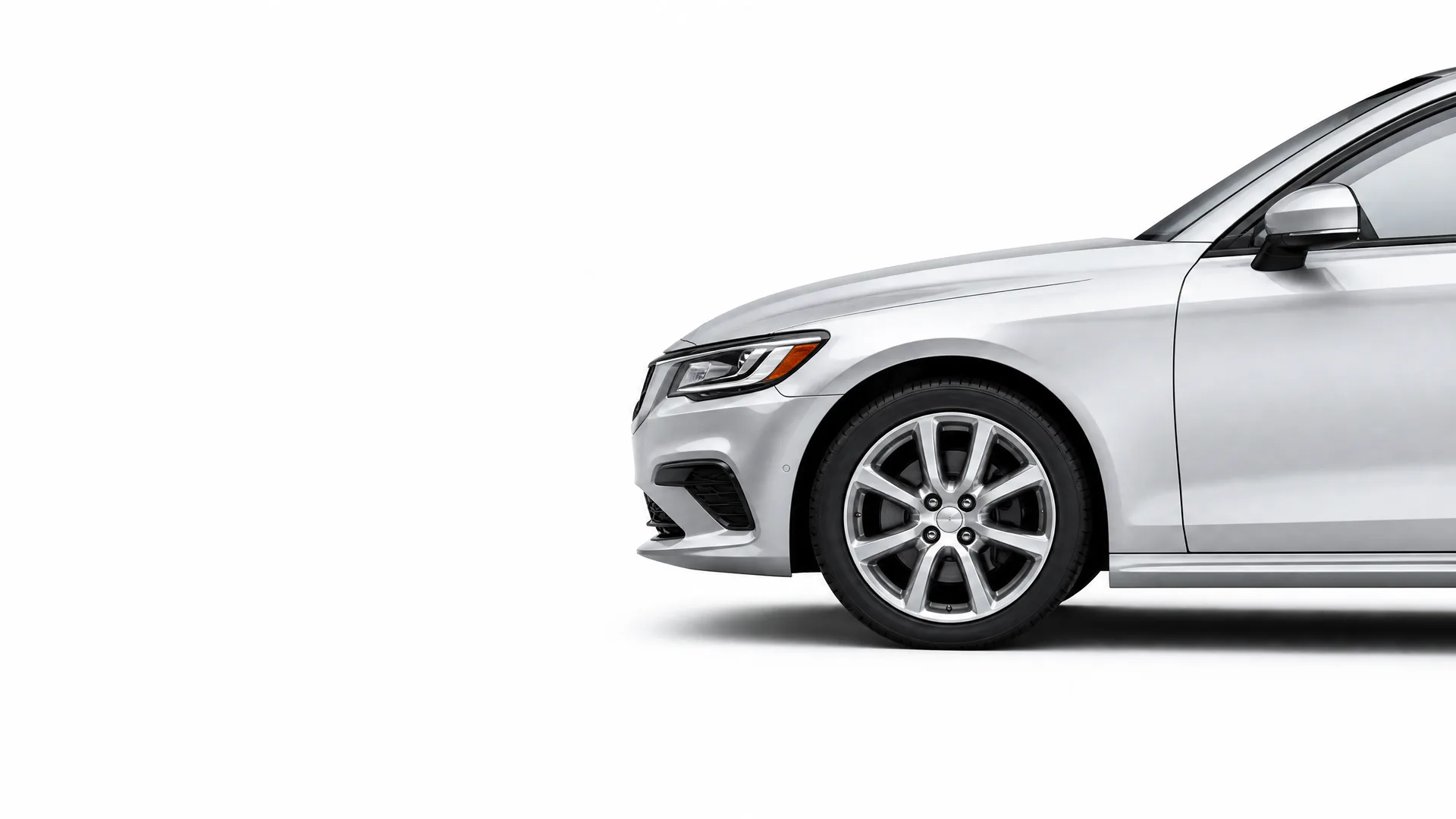
This isn't about your car's age, it's about whether you could replace it yourself without blinking.
Compare liability-only and full coverage quotes side by side to see what dropping coverage would really save you.
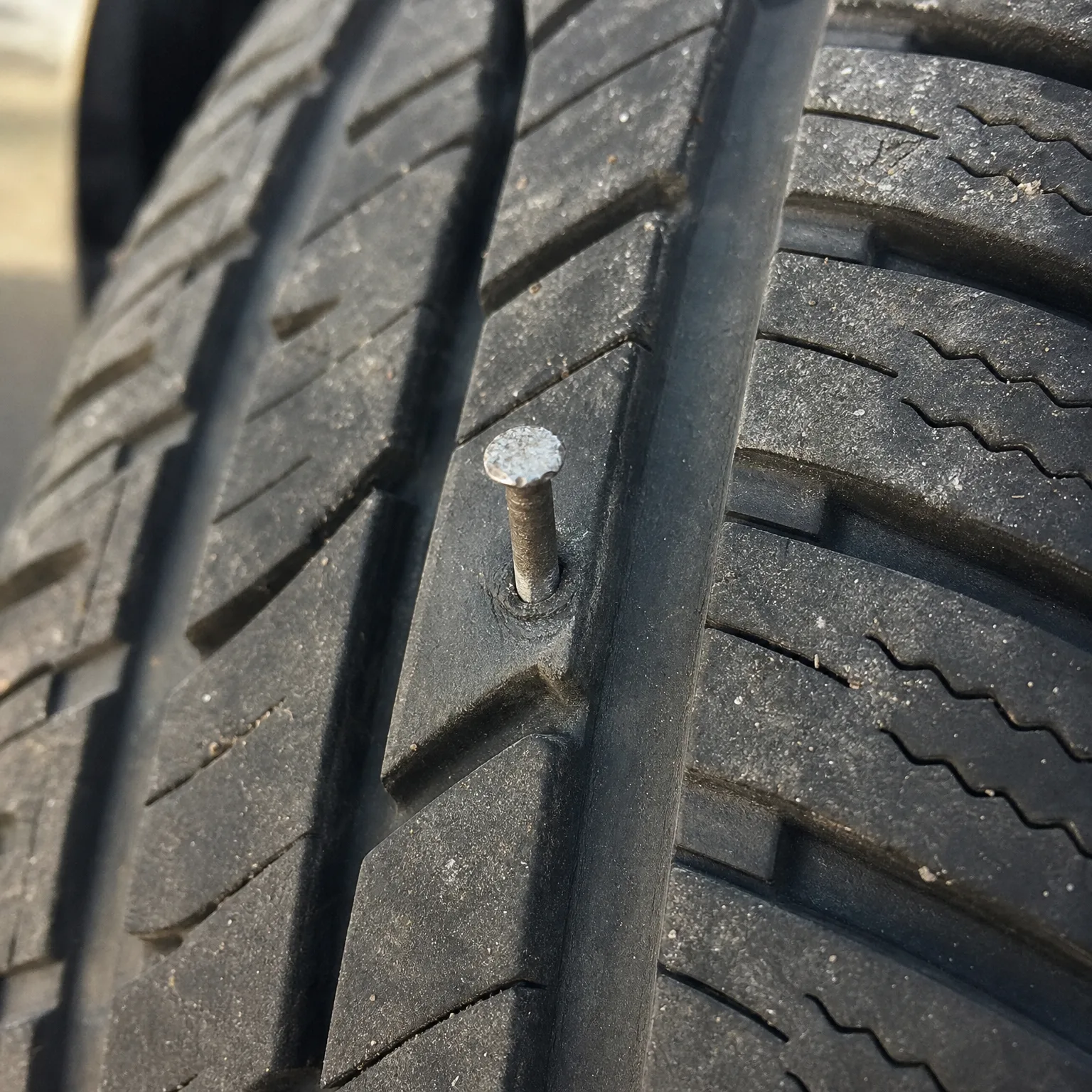
What to check before you drop full coverage
- Real cash value Look up what your car would actually sell for today, not what you paid or what it feels like it's worth. This number drives the whole decision.
- Loan or lease status If you still owe money on the car, your lender likely requires full coverage until it's paid off. Check your loan terms before you assume you have a choice.
- Your replacement cushion Decide honestly whether you could cover a full replacement without touching money earmarked for something else. If not, keep the coverage a bit longer.
- Comprehensive versus collision You don't have to drop both at once. In areas prone to weather or theft, consider keeping comprehensive even after cutting collision.
- Mileage changes Driving less in retirement can lower your premium on its own. Ask your insurer how reduced mileage affects your rate before deciding to cut coverage entirely.

Does my car insurance rate go down automatically when I retire?
No, you need to tell your insurer and update your mileage and commute details yourself. Rates often drop once you report less driving, but it isn't automatic. Call your insurer, explain you've retired, and ask them to recalculate based on your new annual mileage and lack of commute. Some insurers also have specific discounts tied to reduced driving that only apply once you ask.
Will dropping to one car lower my insurance more than dropping full coverage?
Often yes, since removing a vehicle entirely cuts premiums more than changing coverage on a car you keep. If you're considering going from two cars to one, price that scenario separately from the full-coverage decision. The savings can be larger, and you may still want to keep full coverage on the car you keep if its value is high enough to justify it.
How do I find out what my car is actually worth before deciding?
Check recent sale prices for the same make, model, year, and condition in your area rather than relying on a loan payoff figure or sentimental value. Several valuation tools exist online for this specific purpose. Compare a few sources since they can vary, and lean toward the more conservative estimate when deciding whether dropping coverage makes sense.