Will My Insurance Go Up if I Crash a Rental Car
Yes, a crash in a rental car can raise your rates, because the claim usually gets tied to your own policy and your driving record.
Free to compare
A fender bender on a family trip
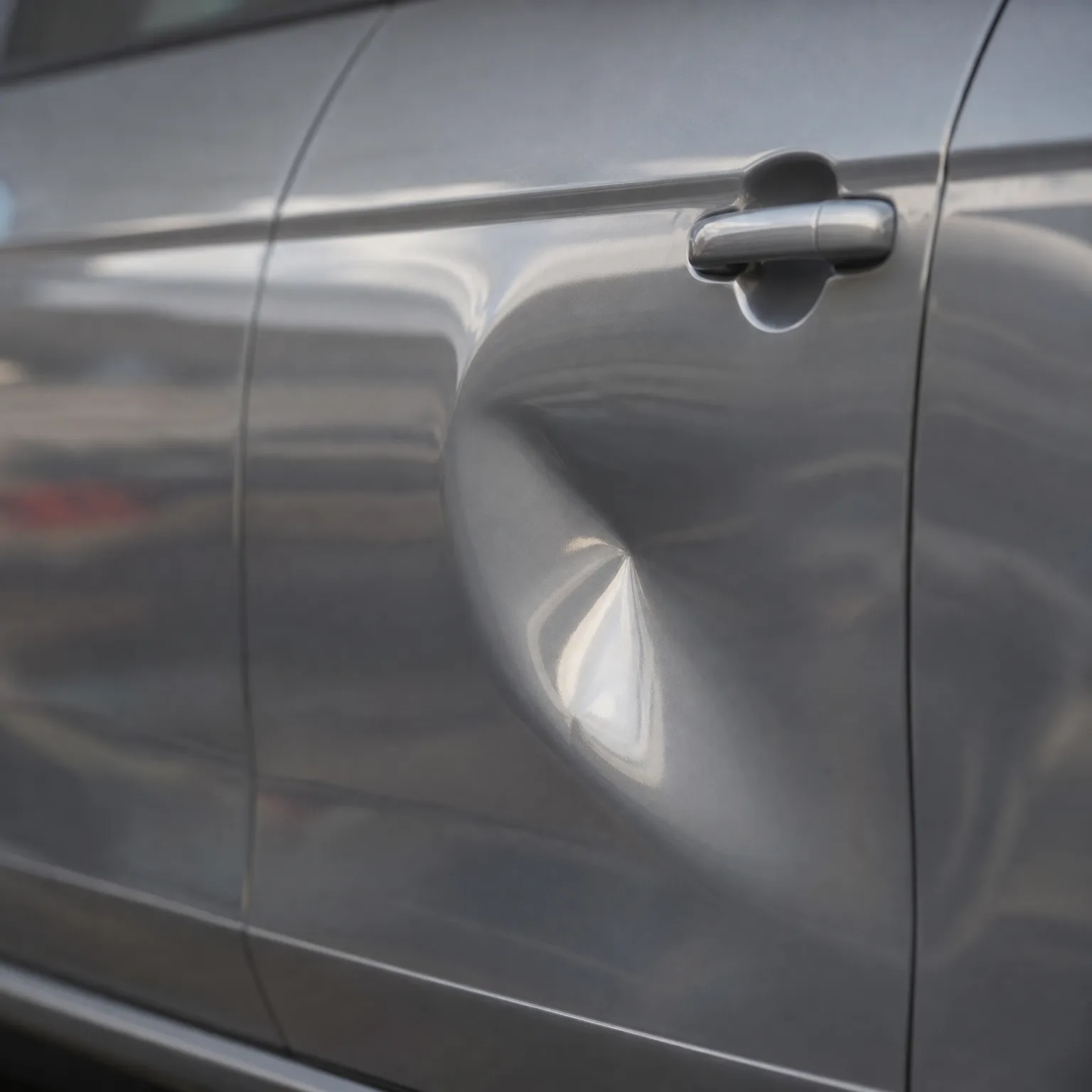
You retired last spring and rented a car for a trip to see your grandkids. Backing out of a parking spot, you clipped a concrete post and dented the rear bumper. The rental company wanted the damage paid for right away, so you called your own insurer to file a claim under your policy's liability and collision coverage, since you had declined the rental company's extra coverage at the counter.
Your insurer paid for the repair, and because the claim was filed and paid, it showed up on your driving record the same as any other at-fault accident. At your next renewal, your rate went up slightly, the same way it would have if you had hit something in your own car. If you had bought the rental company's damage waiver, or used a credit card benefit that covered it, the claim would have stayed off your policy entirely and your rate would not have moved.
Does declining rental coverage always mean my own insurance pays?
Yes, if you decline the rental company's protection, any damage or injury from an accident in that car gets handled through your own policy, the same as if you were driving a car you own. The rental company still expects to be paid for repairs, lost use of the car, and sometimes extra fees, and your insurer is who they turn to.
Whether your policy actually covers a rental depends on the coverages you carry, not just whether you have insurance at all. If you dropped collision or comprehensive coverage because your own car is older, a rental crash involving damage to the car itself may not be covered unless you add protection another way, through the rental counter or a credit card benefit.
Now that you know how a rental crash affects your rate, compare quotes to see how your coverage would respond.

What actually determines if your rate moves
- Whether you filed a claim Rates typically move because a claim was paid, not because an accident happened. If you cover the damage yourself or through a waiver, there's often nothing for your insurer to record.
- Who was at fault An at-fault crash affects your record more than one where another driver was responsible. Check the accident report and any insurer findings to see how fault was assigned.
- What coverage you carry Your policy only responds to a rental crash if you have the right coverages, like liability and collision. Review your declarations page before you rent, not after.
- Other protection used Credit card benefits or rental company waivers can pay instead of your own insurer. Confirm what's active before you decline coverage at the counter.
- How insurers treat one claim Some insurers forgive a single claim after years without one, others raise rates after any paid claim. Ask your insurer directly how they handle it.
It's not the crash that raises your rate, it's which policy ends up paying for it.
Does my car insurance cover me when I drive a rental car?
Yes, in most cases your personal policy extends to a rental car the same way it covers your own vehicle, as long as you carry the right coverages. Liability coverage usually follows you, but collision and comprehensive only apply if you carry them on your own car. Check your declarations page or call your insurer before you travel, since policies and state rules vary on what transfers to a rental.
Should I buy the rental company's damage waiver if I'm retired and drive less?
It depends on what you'd lose by filing a claim versus what the waiver costs for the trip. Driving less doesn't remove the risk during a rental, since accidents happen regardless of your annual mileage. Weigh the waiver's cost against your deductible and how a claim might affect your rate, and check whether a credit card you're using already includes rental coverage.
Will a rental car claim affect my rate if I wasn't at fault?
It depends on your insurer and the state you're in, since some track all accidents while others focus only on at-fault claims. If the other driver was clearly responsible, their insurer may end up paying instead of yours, which usually protects your rate. Ask your insurer how not-at-fault claims are handled before assuming it won't matter.