Can I Use My Own Insurance When Renting a Car
In most cases yes, your own car insurance carries over to a rental, but confirm what your policy actually includes first.
Free to compare

What decides whether your policy covers the rental
- Liability coverage If you carry liability on your own car, it usually extends to a rental for damage or injury you cause to others. Check your limits still feel adequate for a car you don't know as well.
- Collision and comprehensive These cover damage to the rental itself, but only if you carry them on your own policy already. If you dropped this coverage on an older car you own, it won't appear for the rental either.
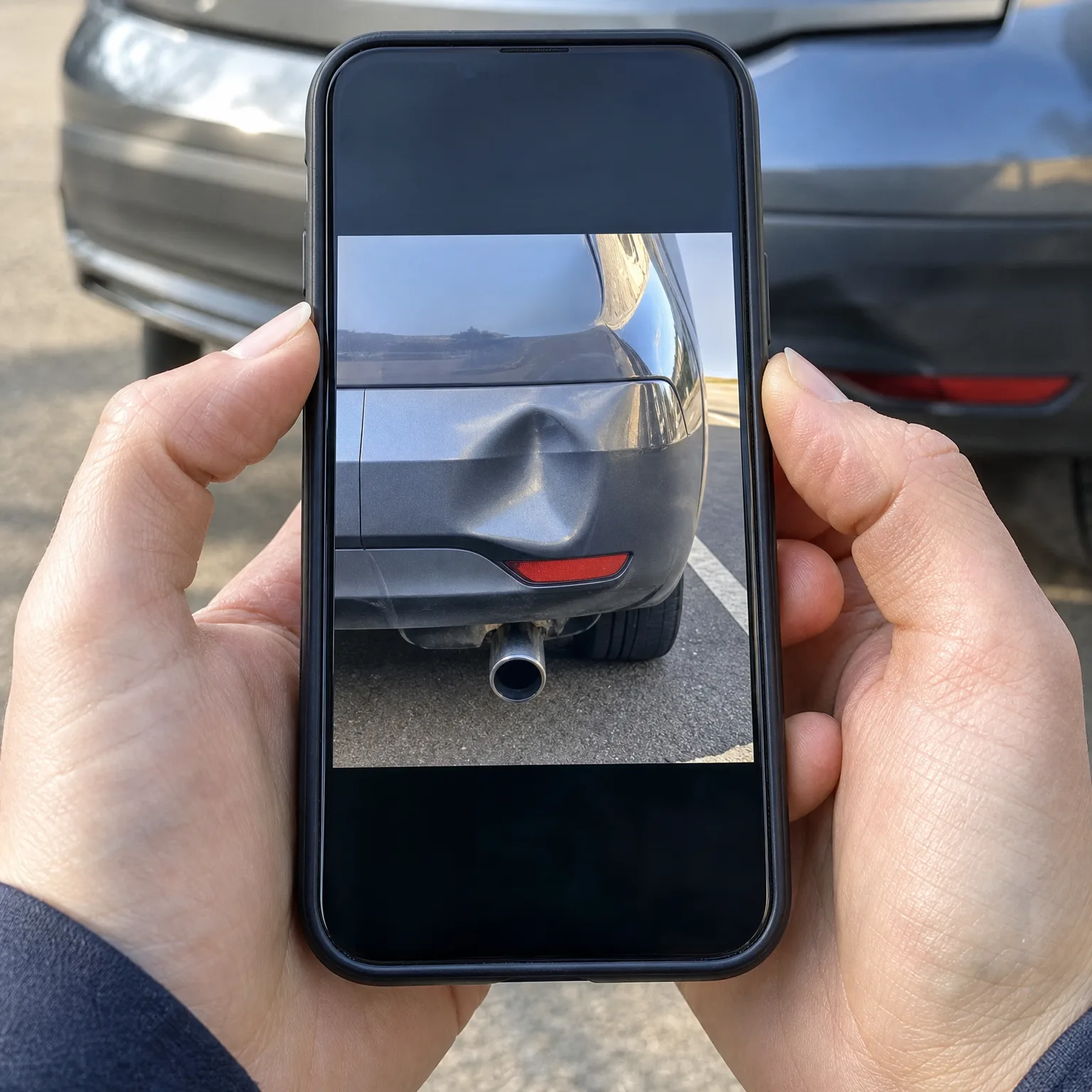
- Your deductible applies Any claim on the rental uses the same deductible as your own car would. Know that number before you decide if you need extra protection for a dent or a windshield crack.
- Loss of use charges Rental companies often bill you for lost rental income while the car is repaired. Call your insurer and ask directly if this is included, since many personal policies leave it out.
- State and policy limits Some states and some insurers handle rental coverage differently, especially for trucks, vans or rentals abroad. Ask your agent to confirm before you travel outside your usual area.
Should I still buy the rental company's insurance anyway?
Buy it if it closes a gap your own policy leaves open, not out of habit. The most common gap is loss of use, the daily charge a rental company bills while your car sits in the shop after an accident. Many personal auto policies don't cover this at all.
The second thing to weigh is your deductible. If your own deductible is high and you'd rather not pay it out of pocket for a scraped bumper on a car you don't own, the rental coverage can make sense for that trip alone. It's not about whether your insurance works, it's about whether you want to use it.
Also check what your credit card offers. Many cards include secondary rental coverage automatically, which can fill the same gap without an extra daily charge. Compare that against the counter price before you decide.
Once you know what your policy covers, compare quotes to make sure your coverage still fits before your next trip.

Deciding whether to decline the rental company's coverage
If you do
You rely on your own policy for the rental, saving the daily fee at the counter. If something happens, you pay your usual deductible and your insurer handles the claim, but you may owe loss of use charges your policy doesn't cover.
If you don't
You pay extra each day for the rental company's coverage, but damage to the car is handled without touching your deductible or your claims history. This costs more upfront but removes any guesswork about gaps in your own coverage.
Why your own policy follows you into a rental
Car insurance in most cases is written around you as the driver, not just the vehicle you own. Your policy extends the same protections, liability, collision, comprehensive, to a car you're driving temporarily, as long as you carry those coverages on your own vehicle already. This is why someone who dropped collision coverage on an old paid off car often gets a surprise when they assume the rental is covered the same way.
The logic insurers use is that risk follows the driver's habits and history more than the specific car. You're still the one behind the wheel, with the same driving record and the same tendencies, so the company that already knows you is willing to extend the same terms to a short term vehicle. This is different from, say, a mortgage or a lease, where the asset itself is what's being insured.
Where this breaks down is in the details rental companies care about that your insurer doesn't always address. Loss of use, administrative fees, and diminished value claims are common areas where personal policies stay silent, because these costs are specific to the business of renting cars rather than owning one. This is also where state rules can differ, since some states cap or regulate how much a rental company can charge for these extra fees after an accident.
The other variable is the insurer itself. Some companies automatically match your coverage to the rental without a second thought, while others require you to call and confirm or even add a short term rider for peace of mind. Since you're no longer driving to an office every day and may be renting cars more often for travel, it's worth a short call to your agent to get this in writing rather than assuming it carries over the same way it always has.
Does my insurance cover a rental car in another country?
Usually not, and this is one of the most common gaps retirees run into when traveling internationally. Most personal auto policies are written to cover vehicles within your home country only. Before an international trip, call your insurer directly and ask specifically about foreign rentals, since the answer varies by company and sometimes by destination. If there's no coverage, the rental company's insurance or a credit card's travel protection often fills that gap.
Will a claim on a rental car raise my future insurance rates?
It can, in the same way any at-fault claim affects your rates, since the rental is treated like an extension of your own driving record. The deciding factor is fault and cost, not that the car was a rental. If the claim is small, paying out of pocket to avoid it touching your record is sometimes worth considering. Ask your insurer how they treat rental claims specifically before you assume it works exactly like a claim on your own car.
Do I need rental coverage if I only have one car now?
Not necessarily, since the coverage on your remaining car still extends to a rental the same way it did before. What changes is how often you might need a rental, since going from two cars to one often means renting more during repairs or travel. Review your policy's rental reimbursement provision, which pays for a temporary car if yours is in the shop, since this is a separate feature from the rental coverage discussed here.