What Happens if I Rent a Car Without Insurance
Without coverage, you're personally on the hook for damage, loss of use, and injuries if something goes wrong with the rental.
Free to compare
The rental company shifts the risk onto you unless you cover it first
A rental car works differently from your own vehicle because the company that owns it wants certainty that it will get paid if something happens to it. When you decline their coverage and don't have your own protection, you become personally responsible for repair costs, towing, and sometimes the car's lost rental income while it's in the shop. That last one surprises a lot of people, since it has nothing to do with the physical damage itself.
Your personal auto policy may extend to a rental car, but it only covers what your own policy covers. If you dropped collision or comprehensive coverage on your own car because it's older and not worth much, that same gap follows you into the rental. The rental company doesn't know or care what your policy says, they just want to know you have a way to pay.
Credit cards often provide secondary rental coverage, meaning it kicks in after your personal insurance pays out, or it may cover what your insurance doesn't. This varies a lot by card and issuer, so check your specific card's benefits guide before you count on it. Some cards exclude certain vehicle types or longer rentals, and some require you to decline the rental company's own coverage to activate the benefit.
Where this gets genuinely different is state to state. A few states require rental companies to provide some baseline liability coverage automatically, and rules about what you can be charged for loss of use vary too. Check your state's rules and the rental agreement's fine print before you decide to skip coverage.
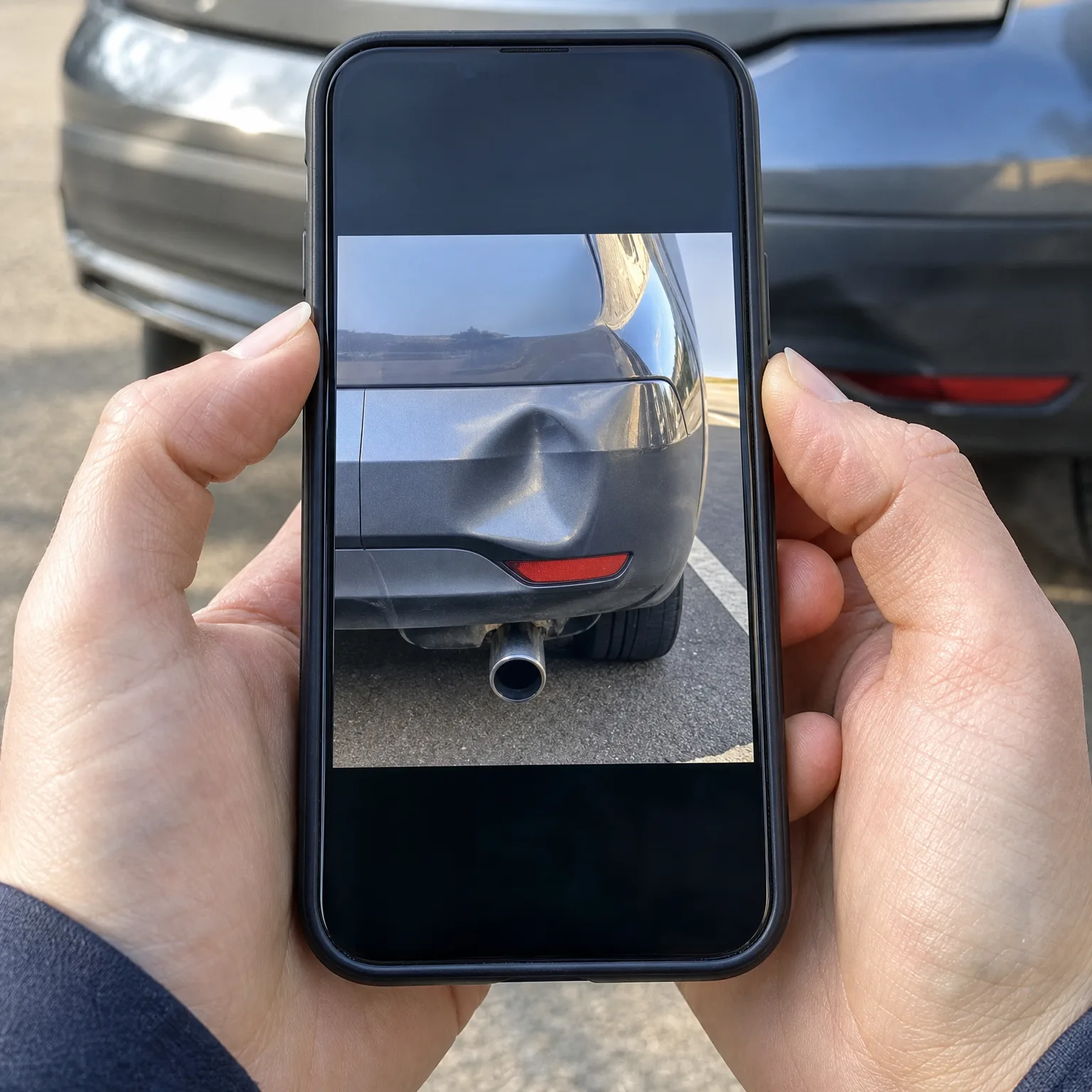
What to check before you decline rental coverage
- Your policy's rental extension Call your insurer and ask directly if your policy extends to rental cars and at what level. Don't assume your coverage carries over exactly as is.
- Credit card rental benefits Look up your card's guide to benefits for rental coverage details and exclusions. Confirm whether it's primary or secondary coverage.
- Loss of use charges Ask the rental counter what they charge if the car is damaged and out of service. This cost often isn't covered by basic liability protection.
- State rules where you're renting Check if the state you're renting in requires any automatic coverage from the rental company. Rules differ and affect what you're exposed to.
- Liability limits on your policy Make sure your liability limits are high enough to cover an accident in a larger or unfamiliar rental vehicle. Consider raising them if you travel often.

Once you know what your policy and card actually cover, compare quotes to close any gap before your next trip.
A retiree road trip that tested the fine print
A recently retired couple rented a car for a two week trip to visit family across three states. They had dropped collision coverage on their own older car since it wasn't worth much, and they assumed that meant no rental coverage either way, so they almost bought the rental company's full protection out of caution.
Before signing, they called their insurer and learned that liability followed them into the rental but collision did not, since they'd dropped it on their own policy. They checked their credit card too and found it offered secondary collision coverage for rentals under a certain length, which this trip qualified for. They declined the rental company's collision coverage, keeping it in reserve as a backup, and kept their existing liability limits since those were already solid. A minor parking lot scrape at the end of the trip was handled entirely through the credit card benefit, with no cost to them beyond a bit of paperwork.
Rental coverage isn't one yes or no question, it's three separate coverages you may already partly have.
Does my car insurance cover a rental car after an accident?
Usually yes, if you have rental reimbursement coverage on your own policy, which pays for a rental while your car is being repaired after a covered claim. This is different from coverage on a rental you book for a trip. Check your declarations page for a line called rental reimbursement or transportation expenses, and ask your insurer about daily and total limits, since many caps are modest and can run out mid-repair.
What does rental car loss of use actually mean?
It means the rental company is charging you for the income it lost while the damaged car sat in the shop instead of being rented out. This is separate from the repair bill itself and often isn't covered by basic liability or even some collision coverage. Ask specifically whether your coverage, whether from your insurer or credit card, includes loss of use, since this is one of the more common gaps people discover only after an accident.
Is it worth buying the rental company's insurance if I'm already covered?
It depends on how confident you are in your existing coverage and how much hassle you want to avoid. If your policy and card both have gaps, exclusions, or low limits, paying for the rental company's coverage removes the guesswork entirely. If you've verified solid coverage from both sources, you may be paying twice for protection you don't need, so check the specifics before deciding.