Common Mistakes to Avoid When Renting a Car
The biggest mistakes are paying twice for coverage you already have and skipping the coverage you actually need.
Free to compare
Why rental mistakes happen at the counter, not before
Rental counters are built to sell you coverage in the moment, when you are tired from travel and want to get to your car. The agent asks if you want protection, and most people say yes without checking what they already carry, because saying no feels like a risk you cannot evaluate in thirty seconds. That is the first mistake, and it is designed into the process.
The second mistake is the opposite problem. Some retirees assume their personal auto policy follows them everywhere, including other countries or work use of the rental, when it often does not. Your policy was written for your car, your state, and your usual driving. A rental in another country, a rental used for business, or a rental of a larger vehicle than you normally drive can fall outside what your policy or your credit card benefit actually promises.
What your personal policy covers on a rental depends on the policy itself, not on a general rule, so the coverage you have at home may or may not extend to liability, collision, or a loss of use charge the rental company bills you for while the car is repaired. Credit card rental benefits vary the same way, with some covering collision damage and others excluding it entirely, and some requiring you to decline the rental company's own damage waiver to qualify.
State rules also shape this. Some states regulate what rental companies can charge or require them to disclose, and some states treat the rental car differently for liability purposes than others. Before you travel, check your policy's declarations page and your card's guide to benefits, because those two documents, not the counter agent, tell you what is already paid for.
Do I need to buy the rental company's insurance at all?
Often no, but it depends on what your personal policy and credit card already provide, and whether you are willing to use them if something happens. If your policy extends liability and physical damage coverage to rental cars, and your card covers the rest, buying the rental company's waiver duplicates coverage you are already paying for through your premium.
The exception is the loss of use and diminished value charges some rental companies bill separately when a car is damaged. Not all personal policies or card benefits cover those charges, so check before you decline everything. If you cannot confirm either one covers you, buying the rental company's damage waiver for that one trip is a reasonable, limited cost rather than a gap you discover after an accident.
Once you know what your policy covers on a rental, compare quotes to make sure it still fits how you drive now.

Whether you check your coverage before you rent
If you do
You call your insurer or read your policy's declarations page before the trip. You learn exactly what extends to a rental, what doesn't, and what your credit card adds. You decide at the counter in seconds, calmly, because the decision was already made at home.
If you don't
You arrive at the counter unsure what you're covered for. You either buy coverage you already had, paying twice, or decline coverage you needed, leaving you exposed to repair costs, loss of use charges, or liability claims the rental company bills you directly.
The mistakes that cost the most and how to avoid each one
- Buying duplicate coverage If your policy and card already cover the rental, the rental company's waiver is money spent twice. Check both documents before you travel, not at the counter.
- Assuming coverage follows you Personal policies often exclude other countries, business use, or certain vehicle classes. Call your insurer if your trip involves any of these.
- Ignoring loss of use charges Rental companies can bill you for lost rental income while a damaged car is repaired, separate from the repair cost itself. Confirm whether your policy or card covers this charge specifically.
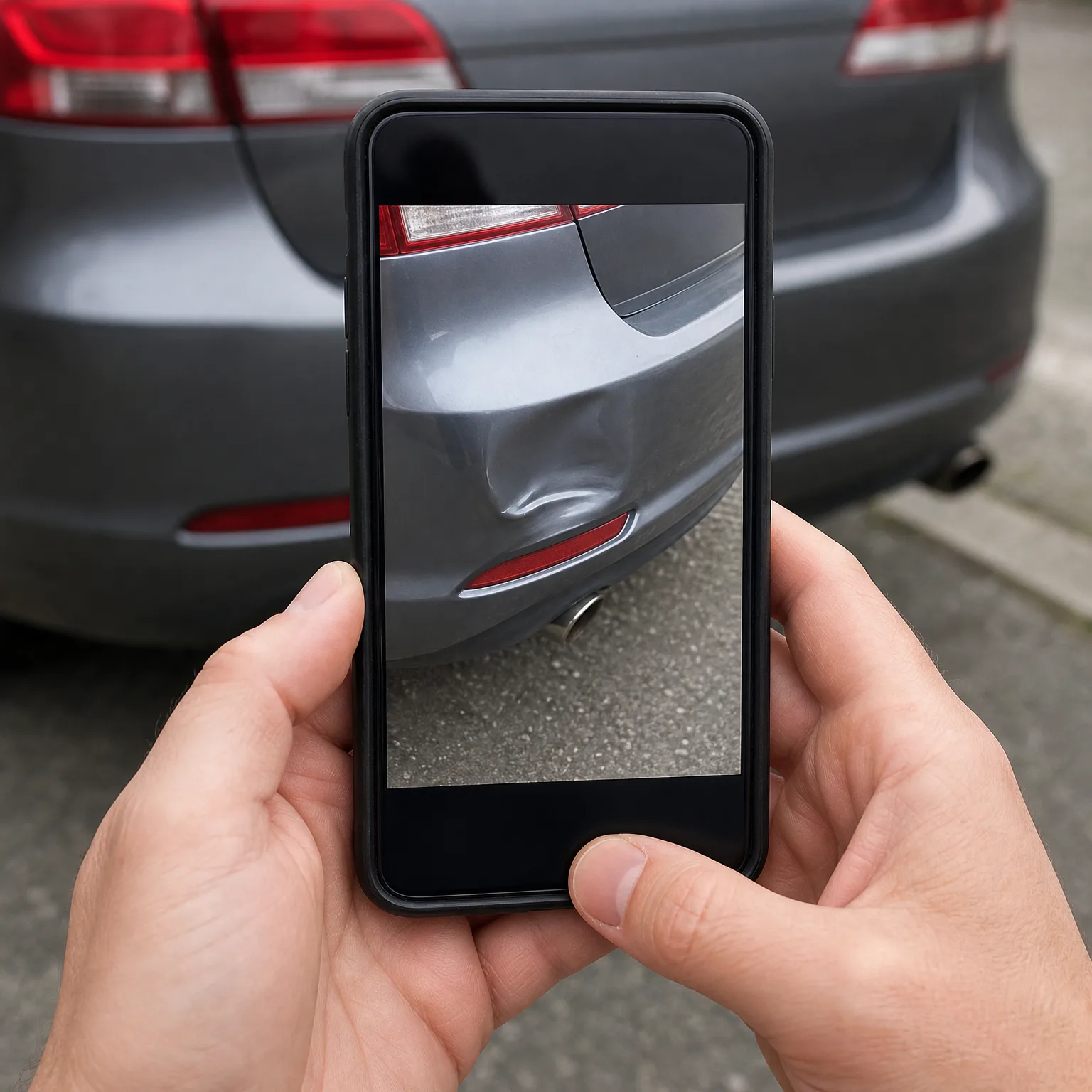
- Skipping the inspection walk Unrecorded existing damage can become your bill at return. Photograph the car on all sides before you drive off, including the interior and trunk.
- Not declining the right waiver Some credit card benefits only apply if you decline the rental company's collision damage waiver. Read your card's benefit terms so you don't accidentally void the coverage you were counting on.
A trip to visit family out of state
A retired reader planned a two week trip to visit her daughter and rented a car at the airport instead of driving her own. At the counter, the agent offered the full protection package, and her instinct was to say yes since she wasn't sure what her policy covered away from home. Instead she called her insurer from the counter, read the agent her policy number, and confirmed that her personal auto policy's liability and collision coverage extended to rental cars for personal trips within the country.
She also checked her credit card's guide to benefits on her phone while in line, and confirmed it covered collision damage as long as she declined the rental company's collision waiver, which she did. She kept liability coverage through her own policy since the card didn't offer that. The whole call and check took under ten minutes, and she left the counter paying only for the car itself, confident that if anything happened, two separate protections were already in place without her spending anything extra that day.