Credit Card Rental Car Insurance Primary vs Secondary
Primary coverage pays out first without involving your auto insurer, while secondary only kicks in after your own policy pays its share.
Free to compare
Why the difference comes down to who gets called first
When you rent a car and something happens, somebody has to pay first. Primary credit card coverage means the card issuer steps in immediately, no claim filed with your auto insurer, no mention of it to your agent, nothing that touches your driving record or your rates. Secondary coverage means the opposite. Your auto policy gets billed first, and the card only covers what's left over, like your deductible.
This matters most for you right now because you're already watching your rates and thinking about whether you still need the same coverage you've had for years. If your card offers secondary coverage only, a rental accident still means a claim against your own auto policy, which can affect your premium even though you weren't anywhere near your own car. If the card is primary, your personal policy never even finds out.
Which one you have depends entirely on the card, not the bank tier or the annual fee size. Some no-fee cards offer primary coverage, and some premium cards only offer secondary. There's no shortcut here. You have to check the actual benefits guide for the specific card you plan to use, because issuers change these terms over time and the card you've carried for a long while may not say what you remember.
One more thing that varies is what the coverage actually includes. Some cards cover damage to the rental car but not liability for other people's injuries or property, which is a different risk entirely. If you're planning to drop your own auto policy down to a bare minimum, or go without coverage because you're down to one car, understand that credit card rental coverage was never designed to replace your liability protection. It only applies while you're in a rental.
Do I still need my own auto insurance if I have primary rental coverage?
Yes. Primary rental coverage from a credit card only applies to the rental car itself and only while you're actively renting it. It doesn't cover you driving your own car, and in most cases it doesn't cover liability for injuries or damage you cause to other people, only damage to the rental vehicle.
If you're thinking about dropping to one car or letting a policy lapse because you'll rent occasionally, that's a separate decision from rental coverage entirely. Your own auto policy protects you everywhere else you drive, and liability protection is what keeps a bad accident from draining what you've saved. Keep that decision separate from how your rentals are covered.

Once you know whether your card pays first, compare quotes that match the coverage you actually still need.

A weekend rental that tested which coverage actually came first
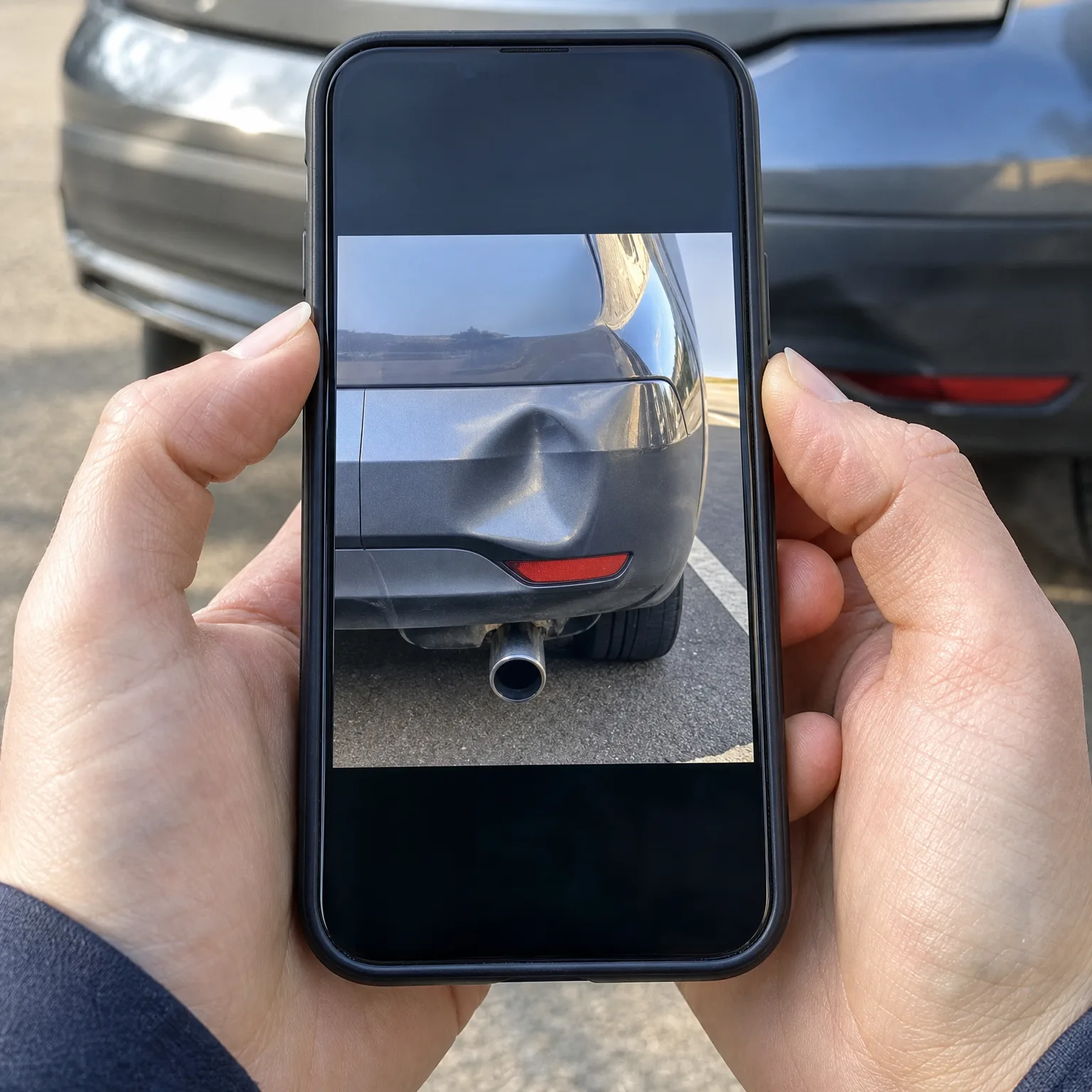
You rent a car for a weekend trip to visit family and back it into a post in a parking lot, denting the bumper. Before you drive off the lot, you check your card's benefits guide on your phone and confirm it offers primary coverage on rentals paid for with that card, as long as you decline the rental company's own damage waiver.
You file the claim directly with the card issuer, submit the rental agreement and the repair estimate, and the issuer pays the rental company directly. Your own auto insurer never hears about it, because the claim never touched your policy. Your next renewal comes in with no change tied to the incident. Had the card only offered secondary coverage, you'd have filed with your auto insurer first, paid your deductible, and the card would have only reimbursed that deductible after the fact, with the incident now sitting on your driving history regardless of fault.

The real risk isn't the rental, it's finding out which coverage you have after something already went wrong.
Do I need to decline the rental company's insurance to use my credit card coverage?
Usually yes. Most card issuers, including primary coverage cards, require you to decline the rental company's collision damage waiver for their coverage to apply. If you accept the rental company's waiver, you're paying for coverage twice and the card benefit may not even trigger. Check your card's benefits guide before you reach the counter, since the rental agent will ask and you need to know the answer before they do. This is one of the easiest steps to get wrong because the agent is incentivized to sell you their waiver.
Does credit card rental coverage work for international trips?
It depends on the card and the country. Many primary coverage benefits exclude certain countries entirely, and some require you to decline coverage in a specific way that differs from domestic rentals. Coverage can also differ for trucks, vans, or luxury vehicles. Before an international trip, call the number on the back of your card or check the guide to confirm the specific country and vehicle type are covered, since assuming it works the same as it does at home is the most common mistake.
What happens if I rent a car for someone else to drive, like my spouse?
Coverage usually requires the cardholder to be a listed driver on the rental agreement, so if your spouse drives but isn't listed, the card coverage may not apply at all. Some cards extend coverage to a spouse automatically even if they're not named on the agreement, but this varies by issuer. Check the specific terms before the trip, and make sure whoever will be driving is properly listed with the rental company regardless of what the card covers.