Does It Make Sense to Rent a Car for a Long Road Trip
For most long road trips in retirement, renting makes sense once you count what the trip would cost your own car, not just the gas.
Free to compare
Why a rental often comes out ahead on a long trip
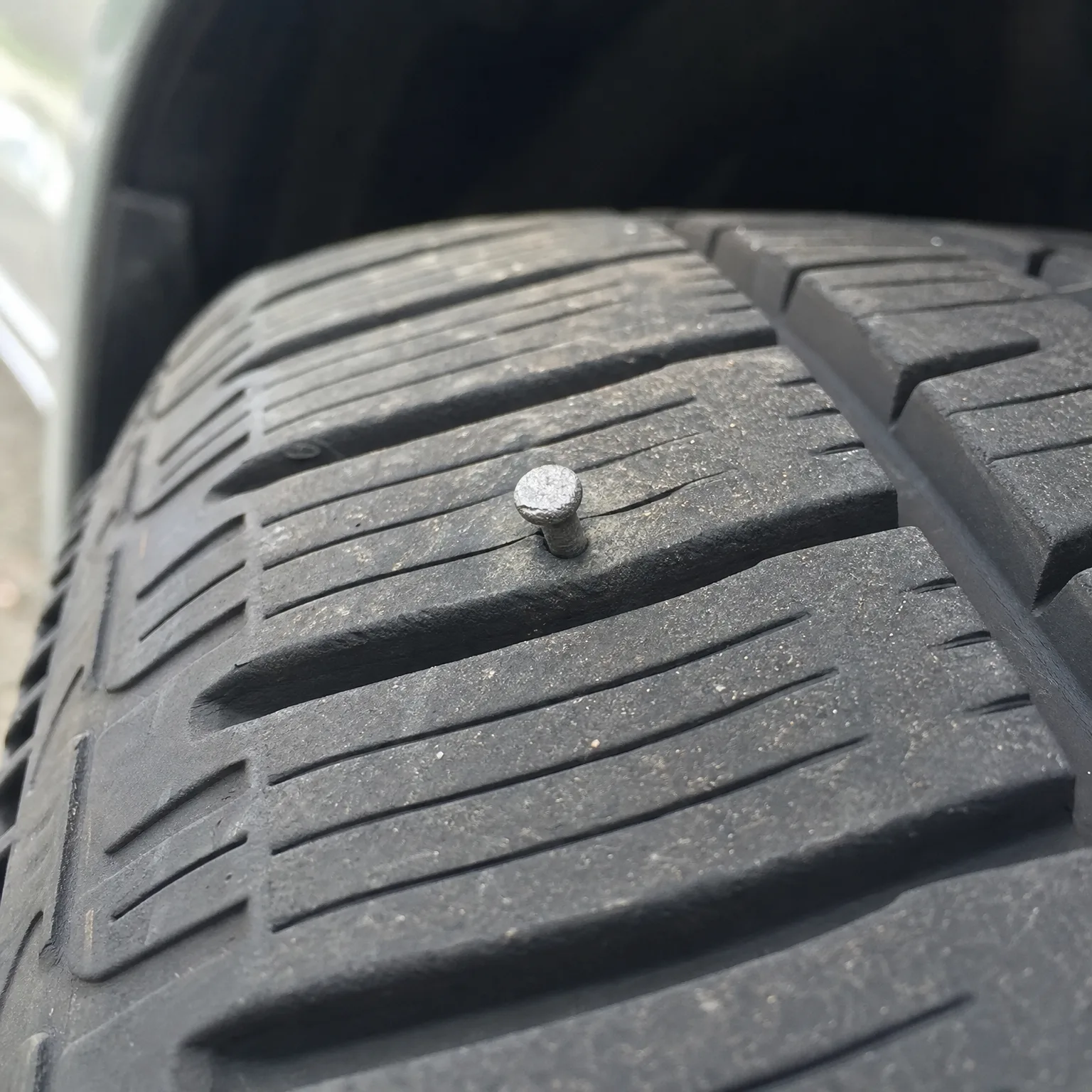
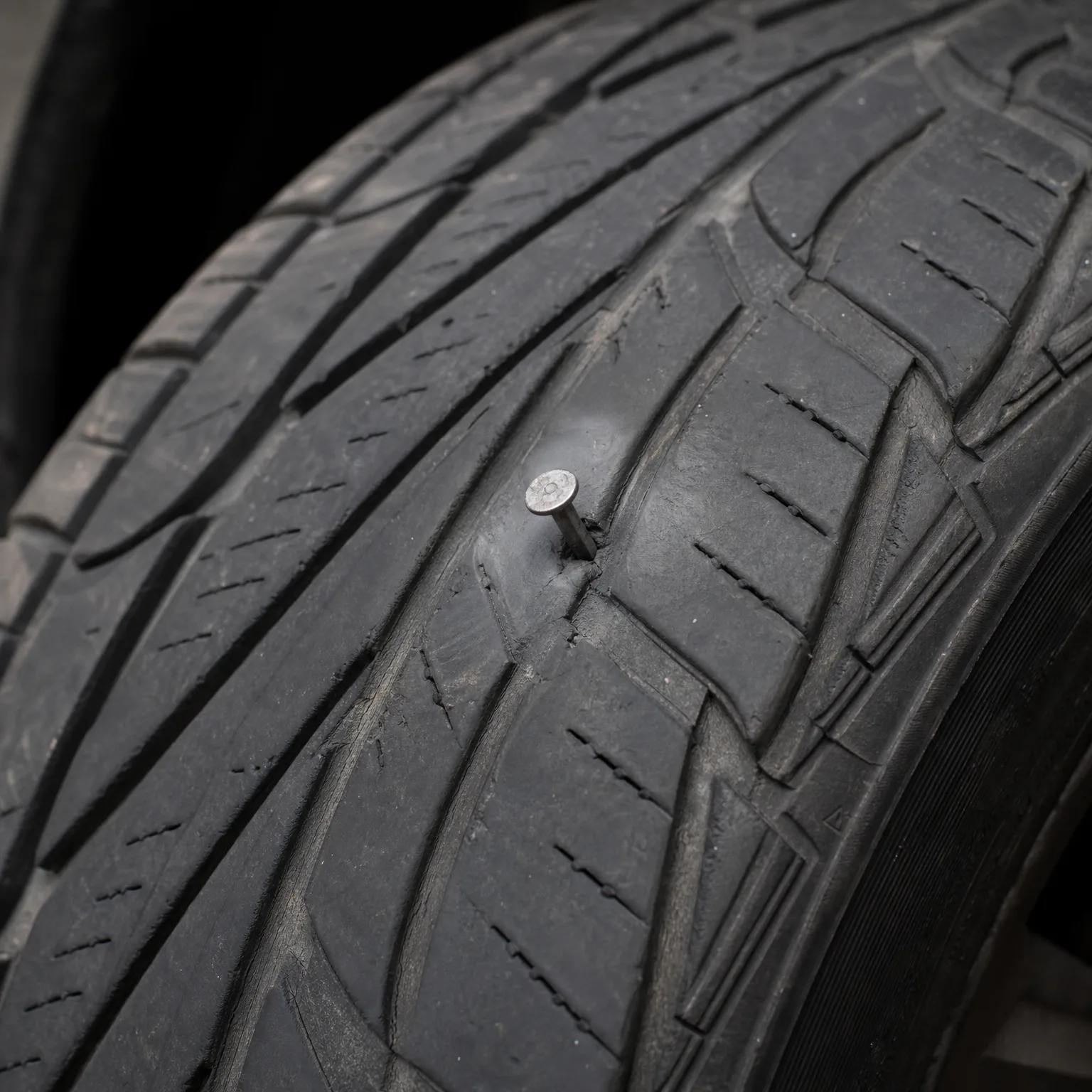
Your own car carries costs that don't show up on a receipt. Every long highway trip adds wear to the engine, tires and brakes, and that wear shows up later as repair bills or a lower trade-in value. A rental absorbs that wear instead of your car, and you hand the keys back at the end without worrying about what thousands of extra miles did to it.
There's also the question of what happens if something goes wrong far from home. If your car breaks down a few states away, you're arranging a tow, finding a shop you don't know, and possibly waiting days for parts. A rental company deals with that instead, usually by swapping the car outright, so a mechanical problem becomes their problem, not a multi-day disruption to your trip.
Insurance is part of this too. Your own policy likely follows the car wherever it goes, but a long trip means more hours on the road and more exposure to the kind of accident that's statistically tied to distance driven, not location. Renting lets you add trip-specific protection for exactly those days, instead of carrying that exposure on your regular policy year-round.
Where it tips the other way is when your car is newer, reliable and already well covered, and the trip is something you'd be comfortable doing in it without a second thought. In that case the rental adds cost without adding much protection, and driving your own car is simply the easier and cheaper choice.
The short version
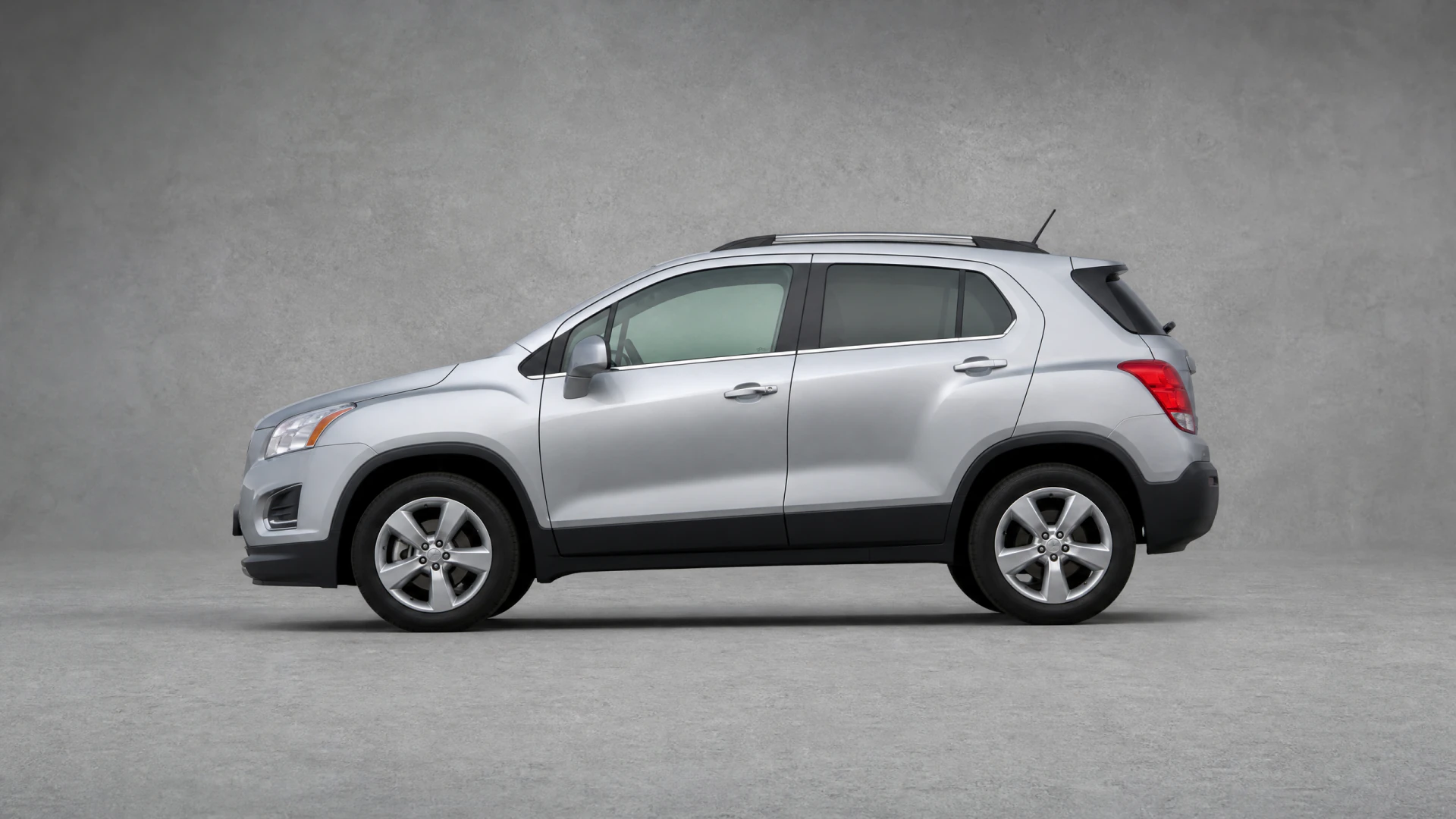
Renting usually makes sense for a long road trip because it shifts wear, breakdown risk and some liability away from your own car and onto the rental company. If your car is older or you'd rather not add thousands of miles to it, rent. If it's newer and reliable, driving it yourself is usually fine.
Does my car insurance still apply if I drive my own car instead?
Yes, your own policy almost always follows your car wherever you drive it within the country, so a long trip by itself doesn't cancel or reduce your coverage. What changes is exposure, not coverage. More hours on the road and more unfamiliar highways mean more chances for something to happen, even though your policy itself doesn't change.
The one thing worth checking before you go is whether your liability limits and roadside assistance are enough for a trip that takes you far from home. Some policies include roadside help, others don't, and if yours doesn't, that's worth adding before a long trip rather than after something happens on the interstate.
Once you know whether you're driving or renting, compare quotes to make sure your coverage actually matches the trip.

Whether you rent for the trip or take your own car
If you do
You pay a rental cost upfront, but your car stays off the highway, racks up no extra miles, and keeps its current condition and value. If anything mechanical goes wrong hundreds of miles from home, it becomes the rental company's problem to fix or replace, not yours to tow and repair.
If you don't
You skip the rental cost, but your own car absorbs every mile of wear from the trip, and any breakdown far from home becomes your problem to solve on the road. Your regular policy still applies, so check its limits and roadside coverage are enough before you leave.
Is it cheaper to rent a car or put the miles on my own car for a week-long trip?
It depends on your car's age and what a breakdown would cost you, not just the daily rental rate. A rental has an upfront cost, but your own car's cost is hidden in wear, depreciation and the risk of a repair bill if something fails far from home. Check your car's reliability history and how it's held up on past long trips before deciding. If it's older or already needs attention, the rental often wins once you count the real cost of a breakdown on the road.
Do I need extra insurance if I rent a car for a road trip?
Check first whether your own auto policy extends to rental cars, since many do, which can make extra rental coverage unnecessary. If your policy doesn't extend to rentals, or its limits are low, added protection for the rental period is worth it for a long trip specifically. What changes the answer is whether your regular policy has gaps, so call your insurer and ask directly before you decide to add or skip the rental company's coverage.
Will renting a car affect my car insurance rates later?
No, renting a car for a trip doesn't touch your regular policy or its rates, since it's a separate, short-term arrangement with the rental company. Your rates are based on your own car, your driving record and your coverage choices, not on cars you temporarily rent. The one thing to check is whether an incident in a rental car gets reported to your insurer, which varies by company, so ask the rental counter how claims are handled before you sign if that matters to you.