Is It Worth Getting a Rental Car for a Road Trip
For most retirees planning a road trip, renting is worth it when it protects your main car's mileage and condition more than it costs.
Free to compare

What to weigh before you book the rental
- Mileage on your own car A long road trip can add a noticeable chunk to your car's yearly mileage, which affects its value and future costs. If you're putting significant miles on, a rental shifts that wear onto a car you'll hand back.
- Your policy's rental coverage Many personal auto policies extend some coverage to rental cars automatically. Call your insurer before you go so you know exactly what carries over and what doesn't.
- Credit card protection Some credit cards include rental coverage as a cardholder benefit, which can reduce what you need to buy at the counter. Check your card's terms before you decline or accept the rental company's coverage.
- One car versus two drivers If you're down to one household car, a second trip vehicle means no one is stuck without transportation back home. This matters more if someone depends on the car daily for appointments or errands.
- Cost of the rental itself Weigh the rental price plus fuel and coverage against the wear, depreciation and maintenance a long trip puts on your own car. For many retirees the math favors renting on trips that are long or across unfamiliar terrain.
Will my own car insurance still work if something goes wrong in the rental?
Usually yes, but how much and in what way depends on your policy and your insurer, so this is worth a phone call before you leave.
Most personal auto policies extend liability coverage to a rental car in the same way they cover your own car, since you're still the one driving. Collision and comprehensive coverage often extend too, if you carry those on your own vehicle. What typically doesn't carry over automatically is coverage for the rental company's own loss-of-use charges, which is a separate cost some renters don't expect.
Ask your insurer directly what applies to rentals, whether there's a difference for longer trips, and whether your state treats rental coverage any differently than your home state would. Get the answer in writing or save the email, so you're not relying on memory if you need to file a claim.
Once you know whether a rental fits your trip, compare quotes to be sure your policy backs you up either way.

A two week trip across several states
A retired couple planned to drive from their home to visit adult children three states away, then continue on to see other family before looping back. The total trip was going to add several thousand miles to their car in two weeks, far more than they'd normally put on it in half a year. They called their insurer first and learned their policy would extend liability and collision coverage to a rental, but wouldn't cover loss-of-use fees if the rental was damaged.
They decided to rent, reasoning that the cost of a couple weeks' rental was smaller than the mileage, wear and potential maintenance their own car would rack up on unfamiliar highways in different weather. They used a credit card that included secondary rental coverage, which took care of the loss-of-use gap their own policy didn't cover. The trip went smoothly, their own car stayed home with low mileage, and when they got a minor door ding in a parking lot, the credit card coverage handled it without touching their personal policy at all.
Why this comes down to mileage, not fear of the road
A road trip rental isn't really about safety or about whether you can still handle long drives. It's a cost comparison between what the rental costs you directly and what the trip would cost your own car in depreciation, wear and mileage if you drove it instead.
Cars lose value partly based on mileage, and a long trip can add in two weeks what would normally take months. If you're planning to keep your car for years, protecting it from a mileage spike has real value, even if it's not a cost you see immediately. This is especially true if you're moving to one car in the household and want that one car to last.
Where it works out differently is for shorter trips, or trips on familiar roads close to home. If a trip only adds a modest amount of mileage, the cost of renting may not be worth it compared to just driving your own car and accepting the minor wear. It also depends on your policy, since some insurers are more generous with rental extensions than others, and some states handle liability minimums differently when a rental is involved.
The other variable is what you value. Some retirees would rather not deal with rental counters, insurance add-ons and unfamiliar vehicles, and are willing to pay in mileage and wear for the comfort of driving their own car. There's no wrong answer here, but it should be a choice you make on purpose, not one you default into.
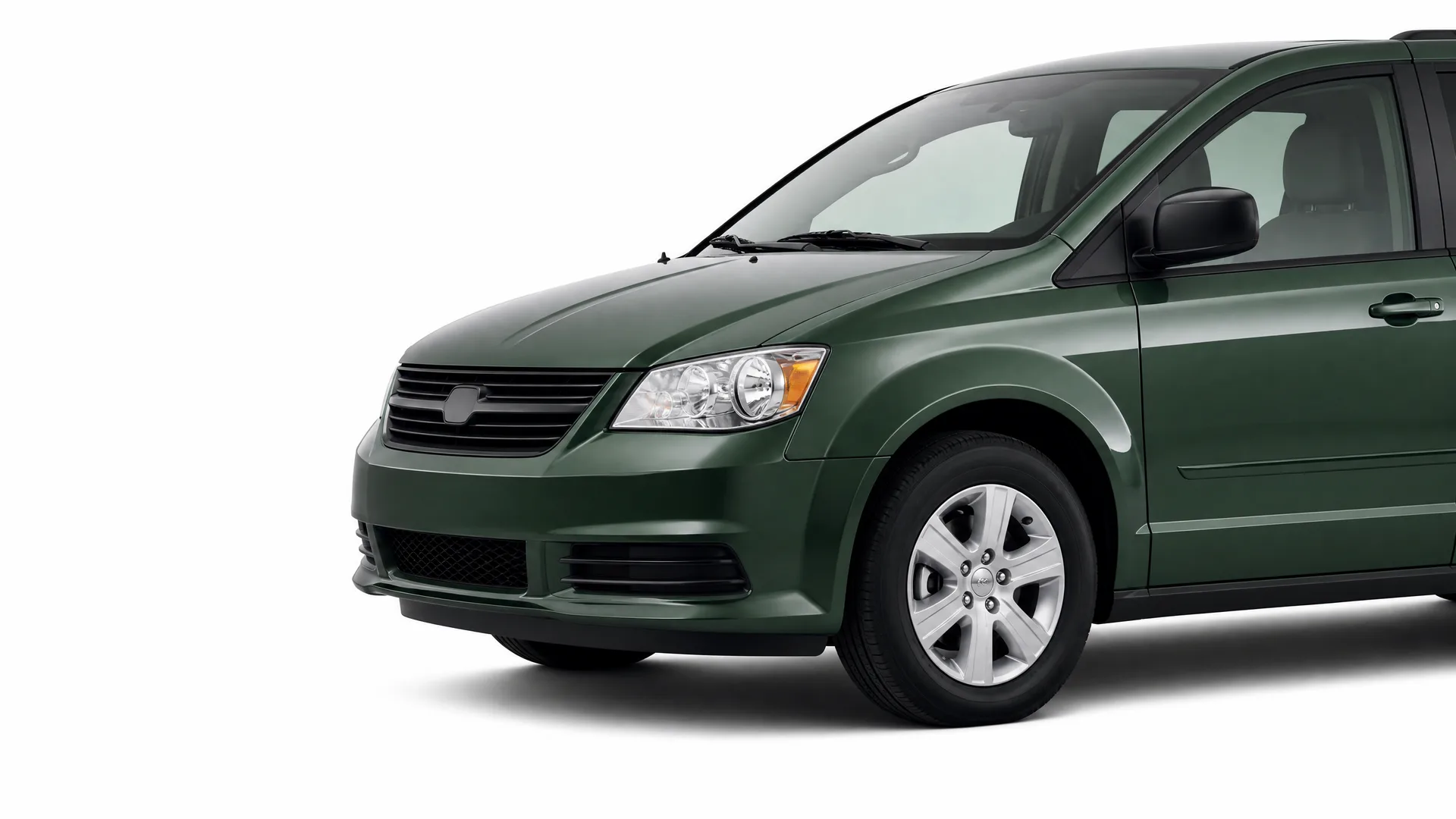
The real cost of a road trip isn't the rental fee, it's what the miles do to the car you already own.