How to Fight a Rental Car Damage Claim
You fight it with timestamped photos, your own inspection notes, and a written demand that they prove the damage happened on your watch.
Free to compare
Why disputes succeed or fail on paperwork, not arguments
A rental company's damage claim is a business process, not a judgment of fact. The clerk who files it usually wasn't there when you picked up or dropped off the car, so the claim is built from whatever paperwork exists. If your paperwork is thinner than theirs, their version wins by default. If yours is just as solid, you have real leverage, because now there are two conflicting records and they have to explain the gap.
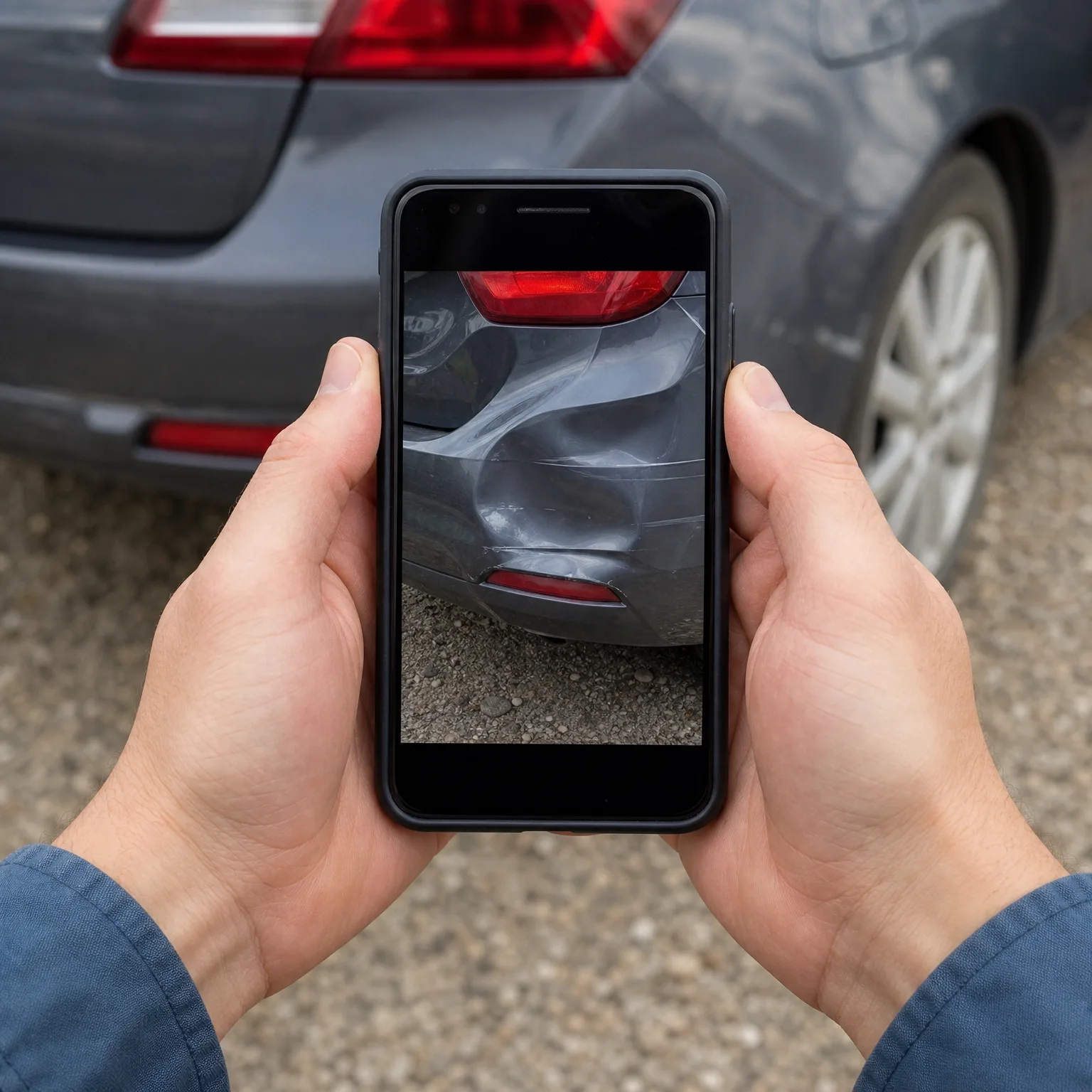
This is why timing matters so much. Photos and video taken at pickup and return, with a timestamp and the car's condition visible, are worth more than any phone call or polite conversation later. Once the car is back in their lot and inspected by someone you never met, you've lost control of the narrative unless you documented it yourself first.
What counts as sufficient proof varies by company and sometimes by state consumer protection rules, so check what your rental agreement says about inspection and notice requirements, and check whether your state gives you added rights to request evidence. Some companies have an internal appeals desk separate from the claims department, and routing your dispute there changes how seriously it gets handled.
Where this plays out differently is when a third party is involved, like another driver or a parking lot incident, or when your credit card or personal auto policy already has primary coverage. In those cases the fight isn't really with the rental company, it's about which coverage pays first, and that changes who you're negotiating with.
What actually moves a rental damage dispute
- Pickup and return photos Time-stamped photos or video of the car's condition at both ends are the strongest evidence you have. Without them, you're arguing your word against their inspection report.
- The original rental agreement Read the inspection and damage notice terms closely, since they define what the company has to prove. Keep a copy, since some locations don't offer one unless asked.
- A written demand for evidence Ask in writing for the before-and-after photos, repair invoice, and inspection report they used to file the claim. Vague or missing documentation is grounds to challenge the charge.
- Your card's rental coverage Many cards include secondary or primary rental damage coverage you may have forgotten about. Check your card's benefits guide and file a claim there if the terms fit.
- Escalating past the first agent If the counter agent or claims rep won't budge, ask for a supervisor or a formal appeals process. Companies often have one, even if it isn't advertised.

Do you document the car before you drive off the lot
If you do
You have proof of the car's condition before anything happens, so if a claim shows up later you can compare it against your own photos immediately. Disputes resolve faster because you're not relying on memory or the company's word.
If you don't
You're stuck trusting the company's inspection report as the only record, since there's nothing to compare it against. Most disputes without your own documentation end with you paying or spending weeks arguing with little leverage.
Once you know how to dispute a rental damage claim, compare auto policies that actually cover you when you rent.
A scratch that wasn't there when the car was returned
You return a rental car in the evening after the counter has closed, drop the keys in the box, and fly home the next morning. Two weeks later you get an email with a repair invoice for a door panel scratch and a charge on your card. You never saw anyone inspect the car, and you have no photos from drop-off because it was dark and you were rushing to catch a flight.
You pull up photos from pickup, which show the door panel already had a faint scratch in the same spot, visible if you zoom in. You write to the company, attach the photo, and ask for their own pickup inspection photo to compare since their agreement says they're required to document the car's condition at checkout. They either can't produce one or their photo confirms the mark was already there, and the charge gets reversed. The case closes within a few weeks once there's something concrete to compare, instead of dragging on through phone calls with no resolution.

Can a rental company charge my card without my approval?
Yes, if you signed an agreement authorizing damage charges, which almost all rental contracts include. That doesn't mean the charge is valid, it just means they can place it first and make you dispute it after. Check your agreement's language on authorization, and check with your card issuer about disputing a charge you believe is wrong, since that process is separate from arguing with the rental company directly.
Does my personal auto policy cover a rental car I was driving?
Often yes, since most personal auto policies extend some coverage to rental cars, but the details depend on your specific policy. Check your declarations page or call your insurer to confirm whether rental coverage is included and what it excludes. If it does apply, this becomes a second avenue for the dispute, since you may not need to pay out of pocket while the rental company's claim gets sorted out.
What if the rental company sends my claim to collections?
You can still dispute it, since a collections referral doesn't mean the claim was proven, it just means the company decided to pursue payment more aggressively. Respond in writing with your evidence and request the collections agency verify the debt. Check your state's rules on debt validation, since you generally have a right to demand proof before paying anything.