Should I Report Rental Car Damage
Report the damage to the rental company before you return the car, even if it looks minor or you think it's not your fault.
Free to compare
A parking lot scrape on a trip to visit family
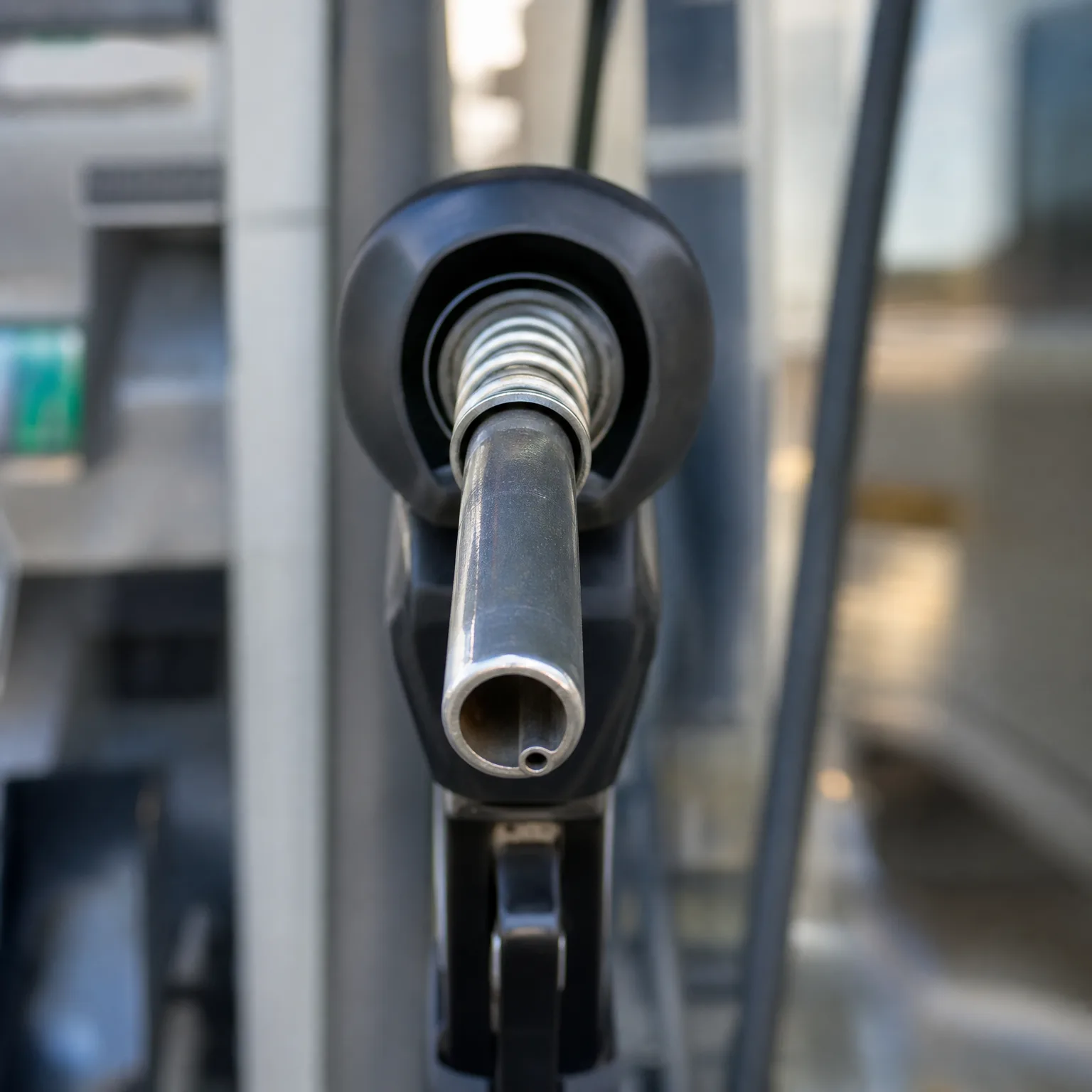
You rented a car to drive to see your kids for a week. On the last day, backing out of a parking space at a rest stop, you clipped a low concrete post and left a scrape and a small dent on the rear bumper. Nobody else was involved, there was no police report to file, and the car still drove fine. You had a choice: say nothing and hope it wasn't noticed at drop off, or report it yourself.
You reported it at the counter when you returned the car. The attendant walked around the vehicle with you, noted the damage on the return form, and gave you a copy. Because you had a copy with a timestamp and your account of what happened, the rental company's claim matched your story instead of leaving room for them to add damage you didn't cause. Your own insurer confirmed the policy covered it, and you knew within days what you owed instead of finding a surprise charge on your card weeks later.

The short version
Report any rental car damage, even small or questionable damage, before you hand back the keys. This protects you from disputes over what happened and when, and it starts the claims clock while details are fresh. Next, call whoever covers the rental, your auto policy or a credit card benefit, and ask what they need from you.
Will reporting rental damage raise my car insurance rates?
It can, but it depends on how the claim gets paid, not on whether you reported it. If your own auto policy pays for the damage, that's a claim on your record and it may affect your rate at renewal, the same as any other claim would.
If a credit card's rental coverage or a separate rental damage waiver pays instead, it typically doesn't touch your personal auto policy at all, because your insurer was never involved. This is worth checking before you rent, especially now that you may be driving less and watching your rate closely. Ask your card issuer or the rental counter directly which coverage would respond first, and whether using it reports back to your insurer in any way.
Once you know how a rental claim gets paid, compare quotes to see how that coverage fits your current policy.

What to do before you leave the rental lot
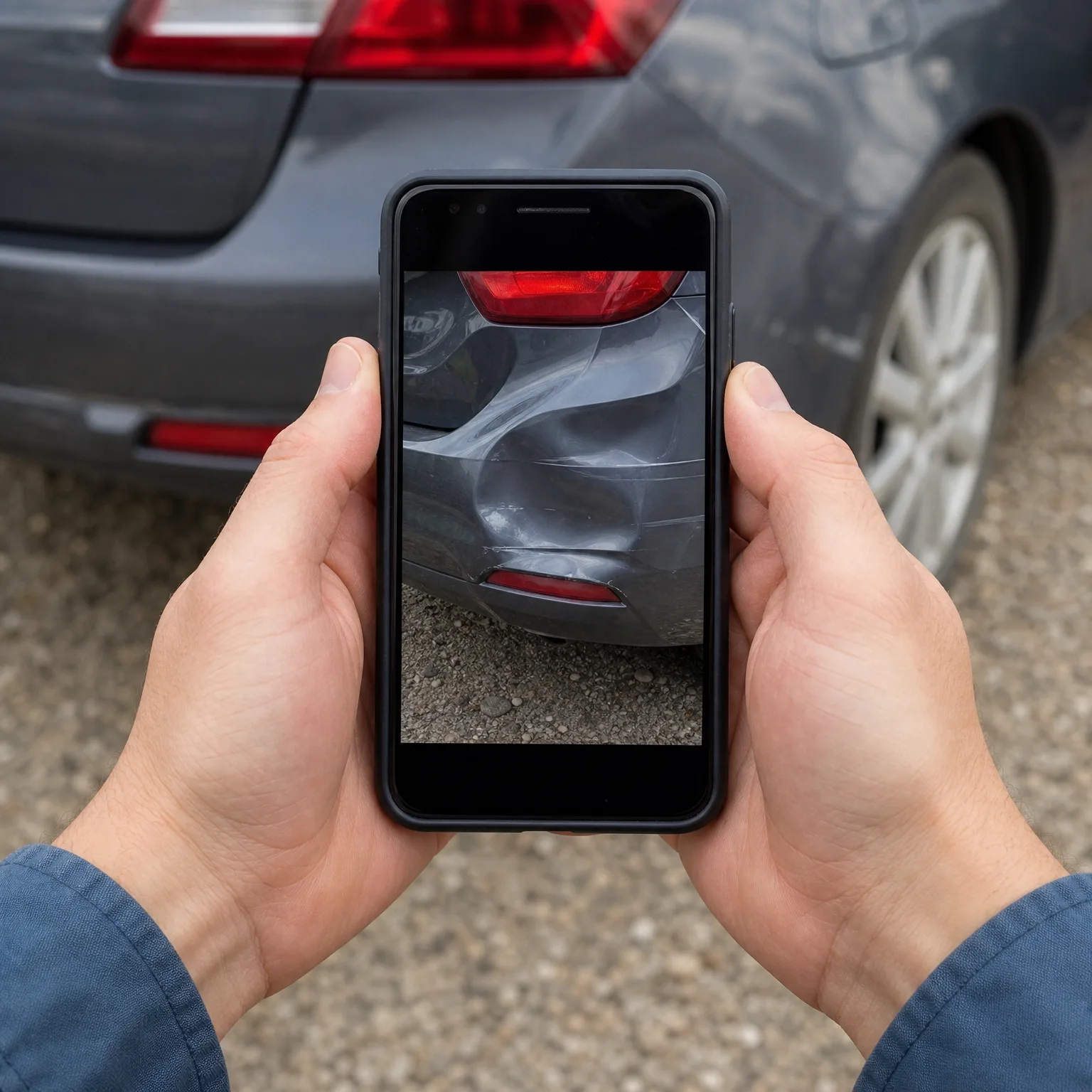
- Document everything on site Take photos of all sides of the car, including any damage, before and after your trip. This protects you if the company tries to claim damage that wasn't yours.
- Get a copy of the report Never leave without a signed or timestamped copy of the damage report. Without it, you have no proof of when or how the damage happened.
- Check which coverage pays first Rental damage waivers, credit card benefits, and your own auto policy can all apply, but usually in a set order. Call ahead and ask the rental company which one they bill first.
- Tell your insurer early If there's any chance a claim could reach your policy, let your agent know now. A heads up is easier to handle than a surprise bill forwarded weeks later.
- Ask how your policy treats it Some insurers treat rental damage differently than a regular claim, and this varies by company and by state. Ask directly instead of assuming it works like your last policy.

The real risk isn't reporting the damage, it's letting someone else decide later what happened and who pays.