I Hit a Curb in My Rental Car What Should I Do
Stop the car, check for damage and injuries, then contact the rental company and your insurer before you do anything else.
Free to compare
The order you handle this in actually changes what you pay
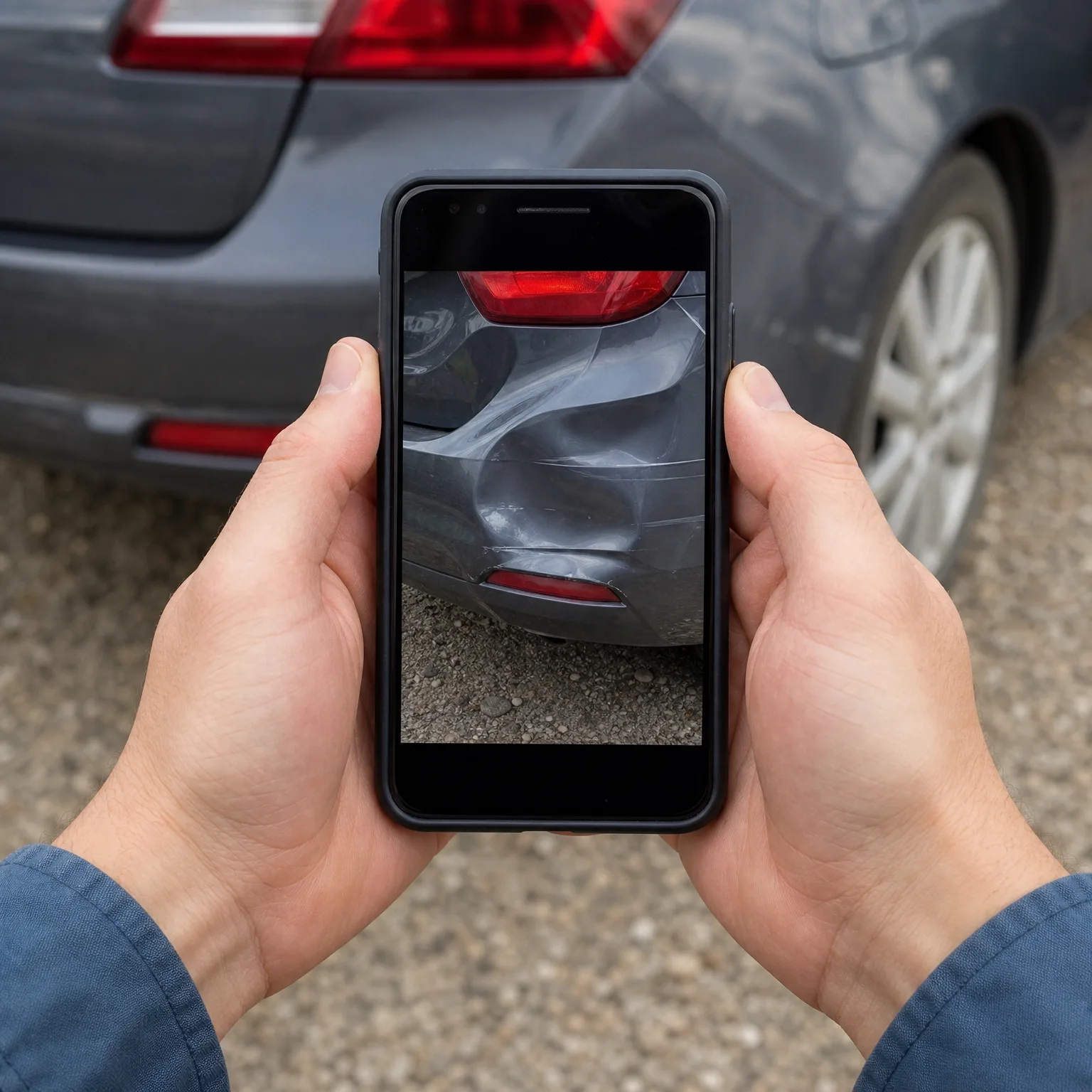
Curb damage usually hits the wheels, tires or the undercarriage, and some of that damage isn't visible right away. That's why the first thing to do is physically inspect the car and take photos, even if nothing looks wrong. Rental companies inspect returned cars closely, and if damage shows up after you've left, you have no way to prove when it happened.
Your coverage for this depends on what you had in place before you drove off the lot. If you added the rental company's damage waiver, it typically covers this kind of thing with little hassle, though some waivers exclude tires, wheels and undercarriage specifically, so check your paperwork. If you declined that waiver and are relying on your personal auto policy or a credit card's rental benefit instead, the process is slower because a claim has to be filed and reviewed before anything gets paid.
This is also where state rules start to matter. Some states limit what a rental company can charge you for loss of use while the car is repaired, or cap how they calculate diminished value. Other states don't regulate this much at all, which means the rental agreement you signed is what governs the charges. Read that agreement, because it tells you exactly what the company can bill you for and how they'll calculate it.
Where this plays out differently is when the damage is cosmetic and minor. Some rental companies won't pursue a claim at all below a certain repair cost, especially if you reported it immediately and didn't try to hide it. Showing up at the counter and saying what happened before they find it themselves tends to go better than waiting.
What to do, in the order that protects you
- Photograph everything Take pictures of the curb damage, the wheel, tire and surrounding area before you move the car again. This is your evidence if the company tries to charge for unrelated damage later.
- Call the rental company Report it the same day, even if you're returning the car days later. Waiting makes it look like you were trying to avoid the charge.
- Check your waiver or coverage Look at your rental agreement and your personal policy to see what's covered and what's excluded. Tire and wheel damage is commonly excluded from waivers, so this matters.
- File with your insurer if needed If you don't have a waiver, start a claim with your personal auto insurer or the credit card benefit you used. Do this before the rental company bills you directly.
- Keep every document Save the inspection report, your photos, the claim number and any emails. If a dispute comes up later, this is what settles it.

Reporting it right away versus waiting until you return the car
If you do
You report the curb hit immediately, the rental company notes it, and you get ahead of any inspection surprise. If there's a dispute about what caused the damage, your timeline is already on record. Claims, if needed, start sooner too, which usually means a faster resolution and less back and forth.
If you don't
If you wait and the company finds it at return, you've lost the ability to prove when or how it happened. They may charge the full repair cost plus fees for lost use, and contesting it afterward means arguing with no documentation backing you up. That almost always costs more.
Once you know how this claim will be handled, compare quotes to see if your coverage still fits how you rent and drive.
Will this raise my personal car insurance rates?
Not automatically, and not just because you filed a claim. If the damage was covered by the rental company's waiver or by a credit card benefit, your personal policy was never involved, so there's nothing for your insurer to rate against you.
If you did use your personal auto policy because you had no waiver, that claim goes on your record the same as any other at-fault claim would. Whether it affects your rate depends on your insurer's rules, your claims history, and sometimes the state you're in, since some states limit how much a single claim can raise a premium. Check with your insurer directly rather than assuming either way, because policies vary a lot on this.
A quick scrape that could have become a bigger bill
A retired driver picked up a rental car for a trip to visit family and misjudged a tight turn into a parking garage, scraping the front wheel against the curb. Nothing seemed seriously wrong, the car still drove fine, but the rim had a visible gouge and the tire looked slightly off. Instead of waiting until the car was returned at the end of the week, they called the rental counter that same afternoon and sent photos by email.
The rental company logged the report and flagged the file so the return inspection wouldn't be a surprise. Because the driver had added the company's damage waiver when booking, the repair cost was covered without a personal insurance claim. The only thing that mattered in the end was that the report happened immediately, with photos attached, so there was never a question about when or how the damage occurred.
Does my personal auto policy cover rental car damage?
Sometimes, but it depends on the coverage you carry, not whether you rented the car. If your personal policy includes collision coverage, it generally extends to a rental car used in place of your own vehicle. Check your declarations page for collision coverage and call your insurer to confirm rental cars are included, since some policies have exclusions or require specific rental coverage add-ons.
Does my credit card cover rental car damage?
Many cards offer this, but only if you paid for the rental with that card and declined the rental company's own waiver. Coverage terms vary widely between cards, and some only cover damage after your personal insurance or the waiver has been billed first. Call the number on the back of your card before you rent to confirm what's covered and what's excluded, since tires and wheels are often treated differently.
Can the rental company charge me for the car being out of service?
In many cases yes, this is usually called loss of use, and it covers the income the company loses while the car is being repaired. Whether and how much they can charge depends on your rental agreement and sometimes on state rules that limit how this is calculated. Read the agreement you signed and ask the company directly how they calculate this charge before you dispute anything.