What Is Extended Transportation Coverage
Extended transportation coverage pays for a rental car or other transportation while your car is being repaired after a covered claim.
Free to compare
It exists to cover the gap between the accident and the fix
Your car insurance normally pays to repair or replace your vehicle after a covered loss, but that process takes time. Extended transportation coverage, sometimes called rental reimbursement, steps in during that gap so you still have a way to get around while your car sits in the shop.
This coverage only applies when the damage to your car is covered by your policy, usually through collision or comprehensive coverage. If you don't carry those coverages, there's typically nothing for this benefit to attach to, since it pays out as part of a covered claim rather than on its own.
Insurers set their own daily and total limits for this coverage, and some let you choose a package. A higher daily amount costs more, but covers a nicer rental or a longer repair stretch. Check your policy or ask your insurer what your specific limits are, since this varies by company and by state.
If you have another way to get around, like a second car in the household, a spouse who can share driving, or family nearby who can help, you may decide you don't need this coverage at all. If you're down to one car after retiring, this coverage starts to matter more, since you won't have a backup vehicle sitting in the driveway.
What to know before you decide on this coverage
- It needs a covered claim This coverage only pays out when your car is in the shop due to a covered collision or comprehensive loss. Check that you carry those coverages, since without them this benefit has nothing to attach to.
- Daily and total limits apply Your insurer caps how much they'll pay per day and overall for the rental period. Ask for the exact numbers on your policy so you know what you'd actually be covered for.
- One car changes the math If you've gone from two cars to one, you lose the backup vehicle that used to cover you during repairs. Weigh this coverage more seriously now than you may have before.
- It's usually a small add-on This coverage is typically inexpensive compared to your main coverages. Ask your insurer for the cost difference with and without it before deciding to drop it.
- Rideshare counts as income Many policies will reimburse rideshare or taxi costs instead of or alongside a rental car. Ask if your policy offers this option, since it may suit your situation better than a rental.
Do I still need this coverage if I don't drive every day anymore?
Not driving every day doesn't remove the need as much as you'd think. The question isn't how often you drive, but what happens the day your car is in the shop and you need to get to a doctor's appointment, pick up a grandchild, or run an errand you weren't expecting.
If you have a second car, a spouse who drives, or family close by who can help without much trouble, you may genuinely not need this coverage. But if you're down to one vehicle, or if the people who'd normally help you live far away, losing your only car for a week or two becomes a real problem, not a small inconvenience. Think about your actual backup plan, not your average week, before deciding to drop it.
Now that you know if this coverage fits your situation, compare quotes to see what it costs with and without it.
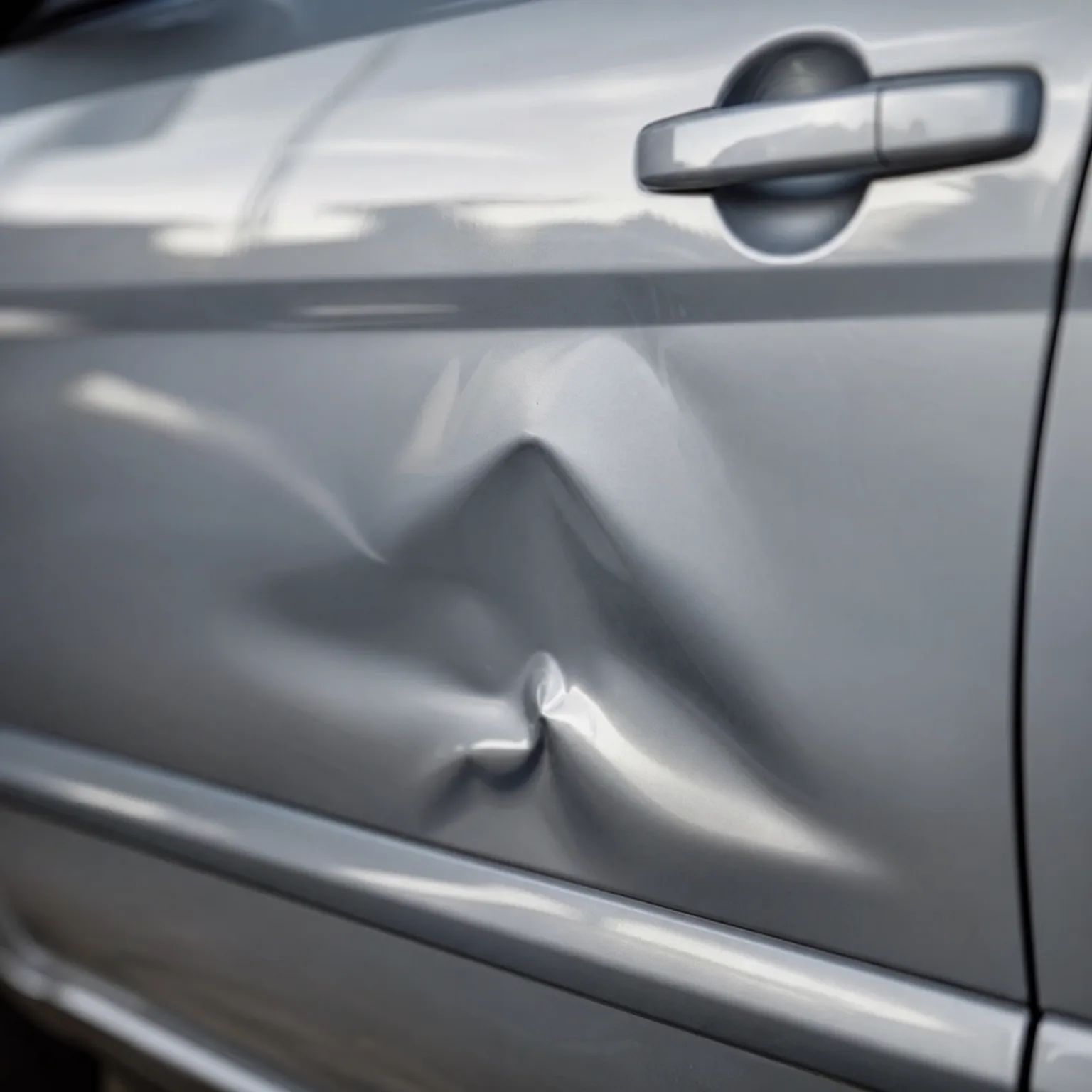
A retired driver with one car weighs the cost
A driver who recently retired and sold their second car gets into a minor accident that isn't their fault. Their car needs a week in the shop for bumper and panel repairs. They have no backup vehicle at home, and their adult children live a few hours away, so borrowing a car isn't realistic.
Because they'd kept extended transportation coverage on their policy after retiring, their insurer covers a rental car for the repair week within their daily limit. They're able to keep appointments and run errands without asking anyone for rides. When they review their policy later that year, they decide to keep the coverage, since the small added cost felt worth it compared to a week without any car at all.
The real question isn't how often you drive, it's what you'd do the day your only car is in the shop.
Does this coverage cover a rental after a breakdown, not just an accident?
Usually not. This coverage is typically tied to a covered claim under collision or comprehensive coverage, meaning accidents, theft, or weather damage. A mechanical breakdown from normal wear usually isn't a covered claim, so check your policy wording or ask your insurer directly, since some offer separate breakdown or roadside coverage for that situation.
Can I add extended transportation coverage after I've already filed a claim?
No, coverage has to be in place before the loss happens. Insurers don't let you add coverage retroactively to apply to a claim already in progress. If you're thinking about adding it, do so before you need it, ideally as part of a regular policy review rather than waiting until after an accident.
Will dropping collision coverage on an older car affect this benefit?
Yes, it likely removes it entirely. Since extended transportation coverage typically only pays out through a collision or comprehensive claim, dropping those coverages on an older car usually means this benefit no longer applies. Ask your insurer directly what happens to any attached coverages before you drop collision on an aging vehicle.