Loss of Use vs Rental Reimbursement
They're two names that often mean the same coverage, but what counts as a covered claim and how the payout works can differ by insurer.
Free to compare
Same goal, different trigger and different payout rules
Rental reimbursement is the term most insurers use for a coverage that pays toward a rental car while your vehicle is in the shop after a covered claim, usually a collision or comprehensive claim like a break-in or storm damage. It typically pays a set amount per day up to a set total, and it only kicks in when your own car is being repaired because of damage the policy covers.
Loss of use means something similar in plain language, a car you can't use because of an accident, but some insurers use it specifically for the inconvenience payment you get when another driver is at fault and their insurer is paying your claim. In that situation you may be filing against their liability coverage rather than your own policy, and the rules about daily limits and total caps can be set by their insurer, not yours.
The practical difference shows up in whose policy pays and what the caps are. If you caused the accident or the damage came from something like weather or theft, your own rental reimbursement coverage is what pays, assuming you bought it. If someone else caused the accident, you may be able to use their liability coverage to cover a rental, which some people call loss of use, and your own coverage might not even need to apply.
The terms also get used loosely across the industry, so one insurer's rental reimbursement may work exactly like another's loss of use. What matters more than the label is reading your declarations page for the daily dollar amount and the maximum number of days, since those numbers vary by insurer and by the limit you chose.
A parked car gets hit and the other driver is clearly at fault
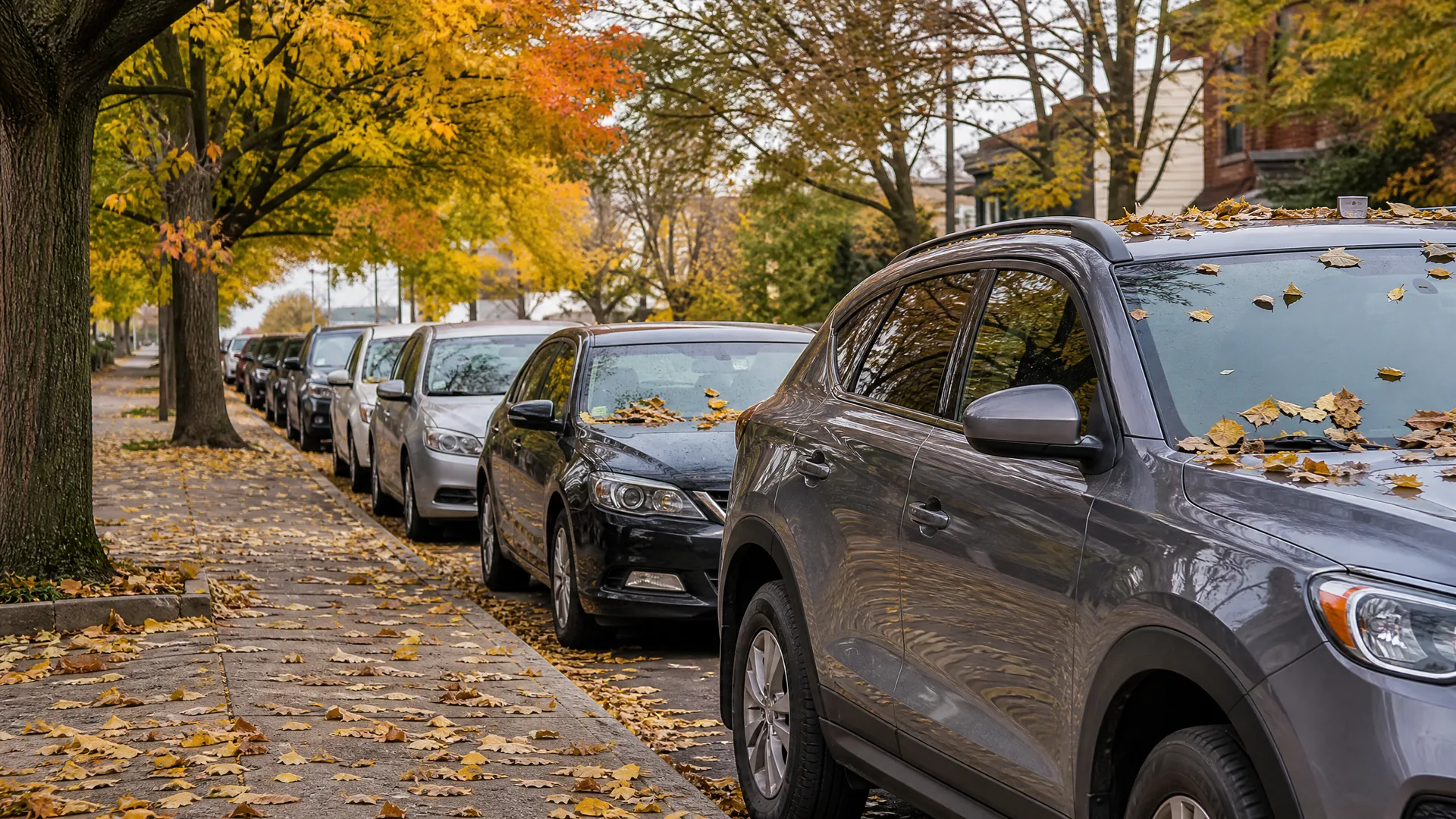
Say your car is parked on the street and another driver sideswipes it, then leaves a note and their insurance information. You're not at fault, so you file a claim against the other driver's liability coverage. Their insurer accepts the claim and arranges for your car to be repaired, and while it's in the shop you ask about getting a rental car covered under their policy.
This is the situation some people call loss of use, since you're using the other driver's coverage rather than your own. Their insurer sets the daily rate and the cap on total days, and those limits are theirs to decide, not something your own policy controls. If their limits feel too low for the rental you need, you'd then check whether your own rental reimbursement coverage, if you have it, can fill the gap or pay first while the liability claim is sorted out. In most cases having both means you're covered either way, and knowing which one applies before you need it means you won't be stuck making calls from a tow truck.

Whether you check both coverage limits before you need either one
If you do
You'll know your daily rental limit, your total day cap, and whether you're covered when you're at fault, not at fault, or dealing with theft or weather damage. If a claim happens, you call knowing exactly what to ask for and what to expect, with no surprises about caps.
If you don't
You'll find out your limits in the middle of a stressful week, possibly discovering your cap is lower than the rental you actually need or that you have no coverage at all if you're at fault. You may end up paying out of pocket for days you assumed were covered.
Compare quotes to find the daily limits and total caps that fit how you'd actually use a rental.
What happens if my rental costs more per day than my coverage pays?
You pay the difference out of pocket. Rental reimbursement coverage pays up to a set daily amount, and if the rental you choose costs more than that, whether because of the car class, local rates, or availability, you cover the gap yourself.
This is worth checking before you're in a claim, not during one. Look at your declarations page for the daily limit and ask whether a basic rental in your area typically costs more or less than that amount. If you tend to need a larger vehicle, like a truck or an SUV for work or family reasons, you may want a higher daily limit than the policy's default, since standard limits are often set with a basic sedan in mind. Raising that limit is usually a small adjustment you can make before renewing, rather than something you discover needs fixing while you're already without a car.
The label on the coverage matters far less than the daily limit and day cap printed on your declarations page.