What Is a Loss of Use Fee
A loss of use fee is what your insurer pays toward a rental car while your own car sits in the shop after a covered claim.
Free to compare
It exists to keep you moving while repairs happen
When your car is damaged in an accident covered by insurance, repairs take time you don't get back. Loss of use coverage, sometimes called rental reimbursement, pays toward a replacement car for those days so the accident doesn't also take away your ability to get to appointments, errands or family.
The fee is not automatic just because you have a policy. It is usually a separate coverage you add, with its own daily amount and a cap on total days or dollars. If you never added it, you may find out only when you're standing at a rental counter after a claim, which is the wrong time to learn this.
What counts as a covered repair, how many days are allowed and whether the payout goes straight to a rental company or reimburses you later all vary by insurer. Some policies tie the daily amount to how long repairs reasonably take, verified by the shop, rather than paying a flat rate no matter what.
There are cases where this coverage doesn't apply even if you have it. If the accident wasn't a covered claim, if you caused the damage yourself without comprehensive or collision coverage, or if repairs stretch past the cap, you could be covering the gap yourself. Knowing the cap and what triggers it matters more than knowing the coverage exists at all.
Does loss of use cover a rental if my car is stolen, not crashed?
Often yes, but it depends on how your policy defines the trigger for this coverage. Many policies pay toward a rental during the time your car is being repaired after a covered accident, and also during the time it's missing after a theft, as long as you carry comprehensive coverage.
The waiting period and daily cap may work differently for theft than for collision repair, since there's no shop estimate to measure against. Check your policy or ask your insurer directly how theft claims are handled under this coverage, including how many days you're covered before the car is considered a total loss. That answer determines what you'd actually be paid if it happened to you.
Now that you know what this coverage pays for, compare quotes to find a policy that matches what you actually need.

What to check before you need this coverage
- Confirm it's on your policy Loss of use isn't automatic, it's usually an add-on. Look at your declarations page or ask your insurer directly whether you have it.
- Know your daily cap Coverage usually pays up to a set amount per day. Check that number against typical rental costs in your area so you're not surprised.
- Know your total limit There's usually a maximum number of days or total dollars covered. Ask what happens if repairs take longer than that limit.
- Understand what triggers it This coverage usually only applies after a covered claim, not routine maintenance or mechanical breakdowns. Confirm what counts before you assume you're covered.
- Ask how payment works Some insurers pay a rental company directly, others reimburse you after you pay. Know which one applies so you're not covering costs upfront unexpectedly.
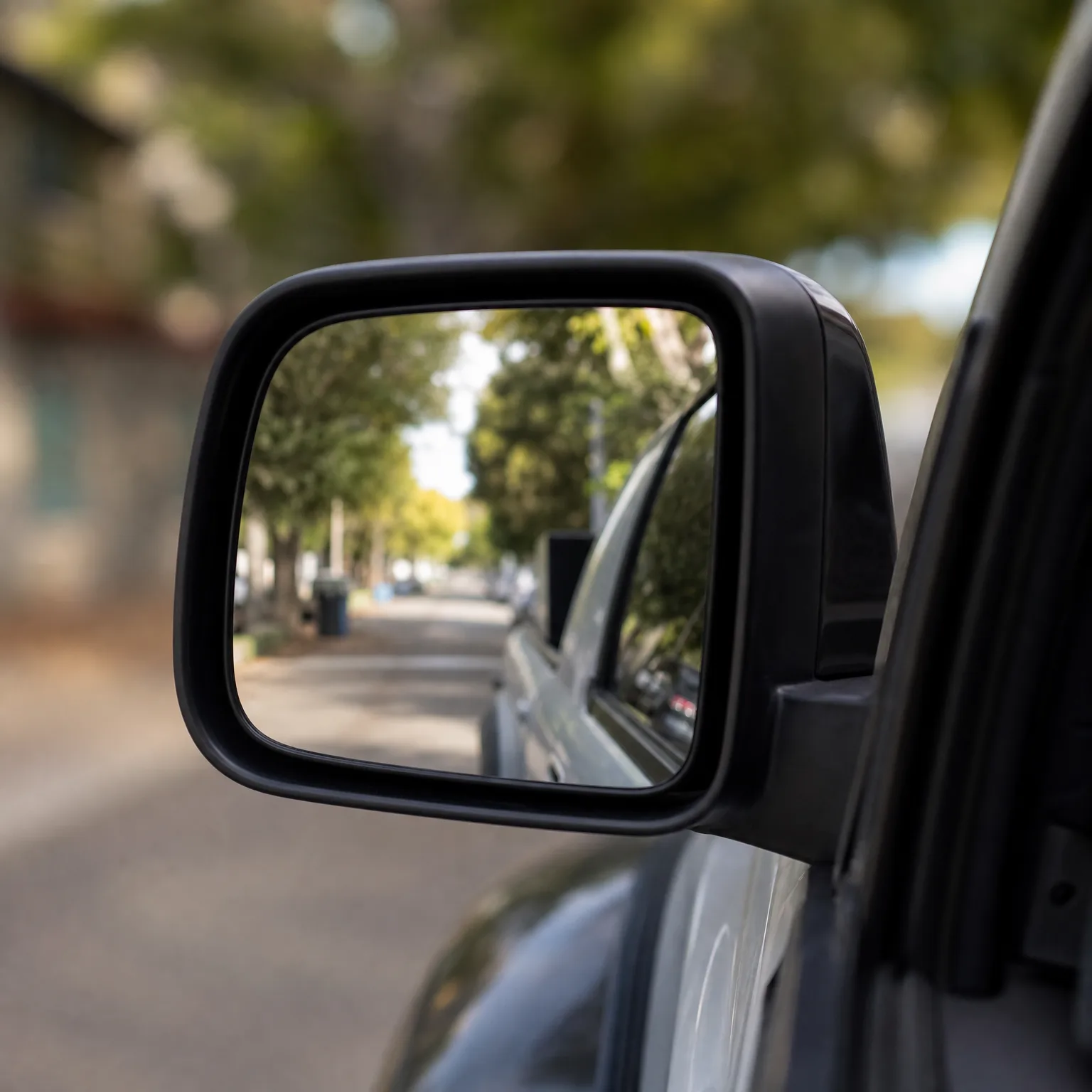
A retired driver waits on repairs after a parking lot accident
Someone backs into your car in a parking lot and the damage is bad enough that your car needs a week in the shop. You file a claim with your insurer and the shop gives an estimate of five business days for parts and labor. You ask your insurer whether your policy includes loss of use, since you've never had to use it before.
Your insurer confirms you added this coverage years ago, with a daily cap and a total limit well above what five days of a rental would cost. They direct you to a rental company that bills them directly, so you pick up a car the same day without paying out of pocket. The repair finishes on schedule, you return the rental, and the only cost to you was the time spent making calls. Without that coverage, you would have paid for the rental yourself and waited on reimbursement, if any was available at all.
Learn what your policy pays for a rental before the accident, not while standing at the counter.